
About Us

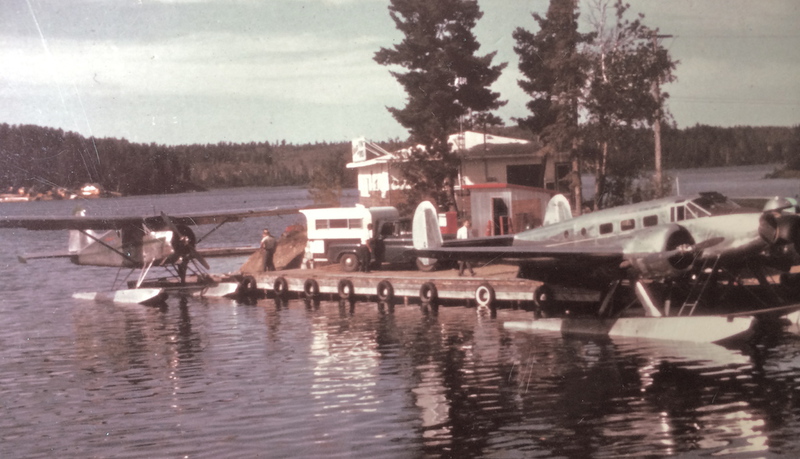
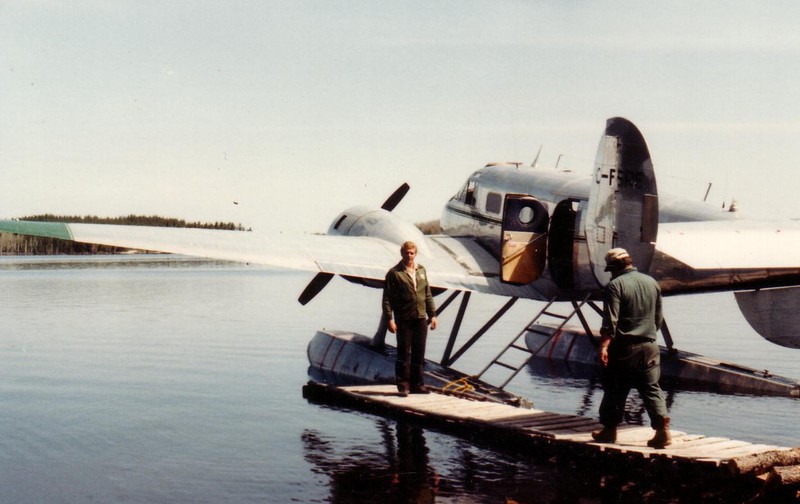
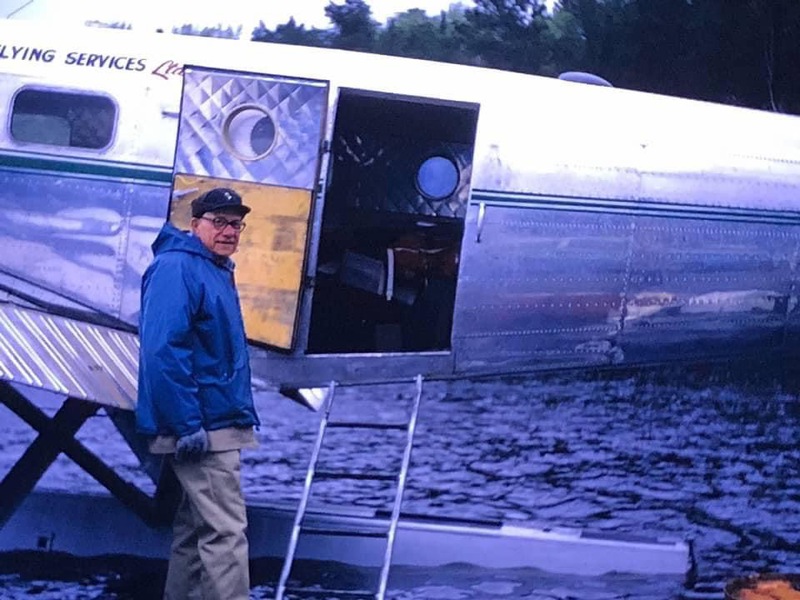
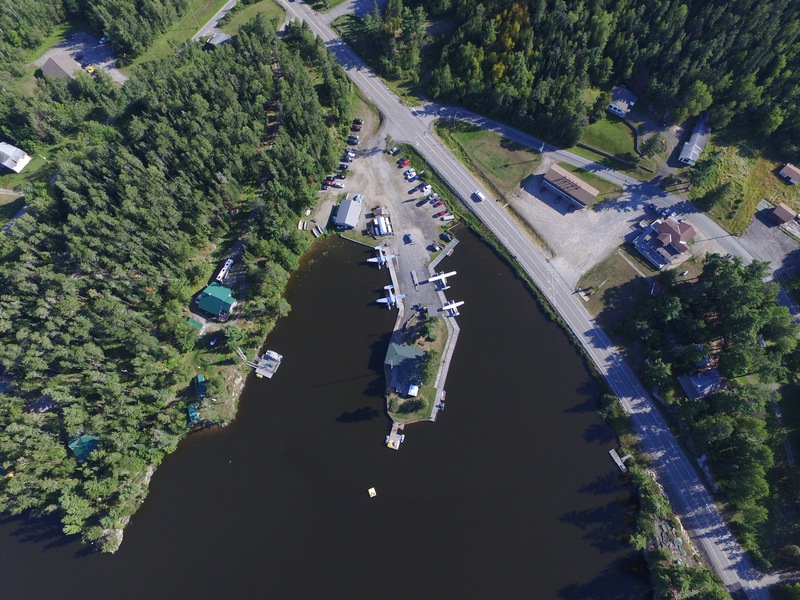
Photograph of the float plane from the beginnings of Air transportation in Nestor Falls.  CF-BAU

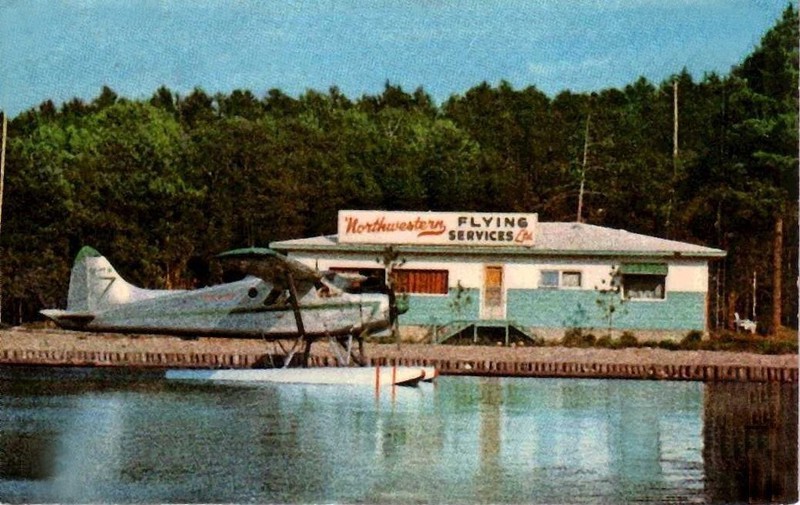
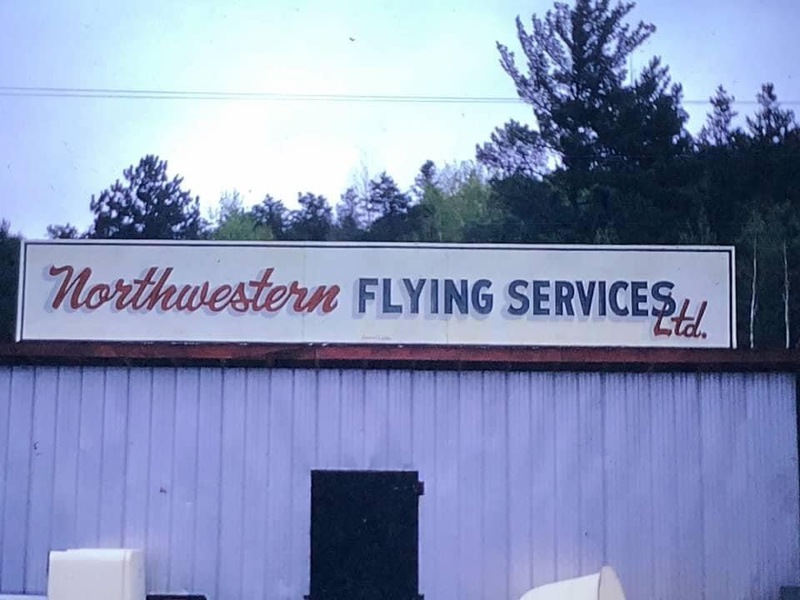
Air transportation in Nestor Falls was started back in the late forties by Red Swanton. He transported fishermen to Kay Lake and Kishkutena Lake with a Waco and a Fox Moth from the old base on Lake of the Woods known as Clearwater Air Service. In the early sixties Red sold his charter to Ralph Showalter when it then became Northwestern Flying Services.


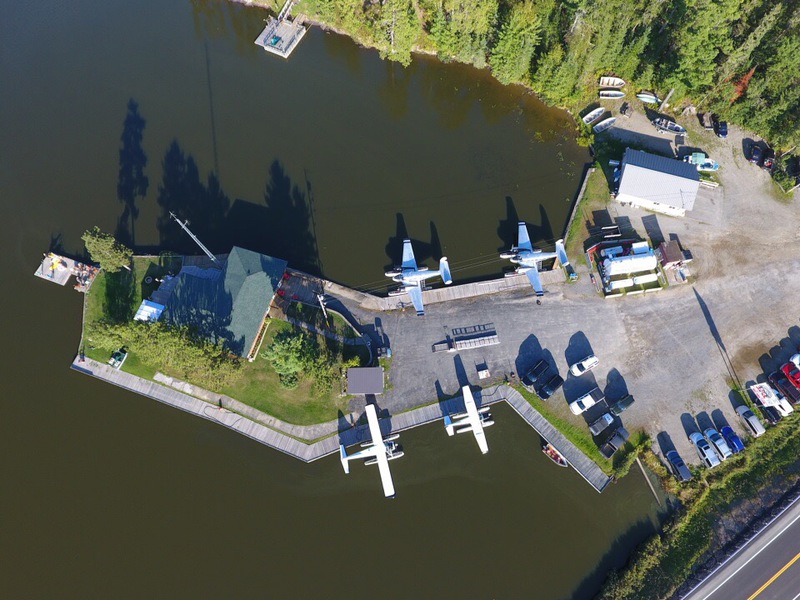
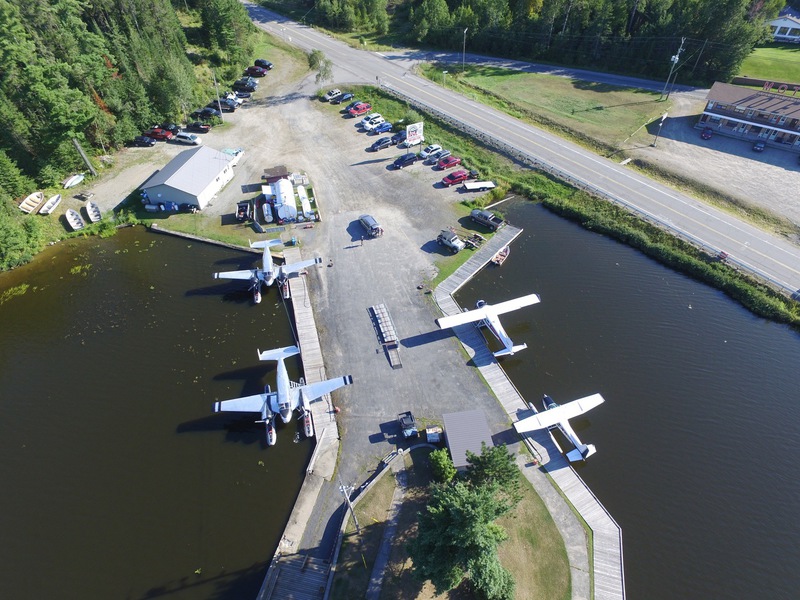
The company changed hands a few more times up until 1987 when Jack Pope and Glen McLeod acquired the property changing the name to Northwest Flying Inc. 1992 brought sole proprietorship by the Pope family who still run the business to this day with Jack's son Shane and wife Gina.


Click here to see the virtual tours of our offices...


The photo gallery requires at least Flash version 9.0.28.

Our Fleet

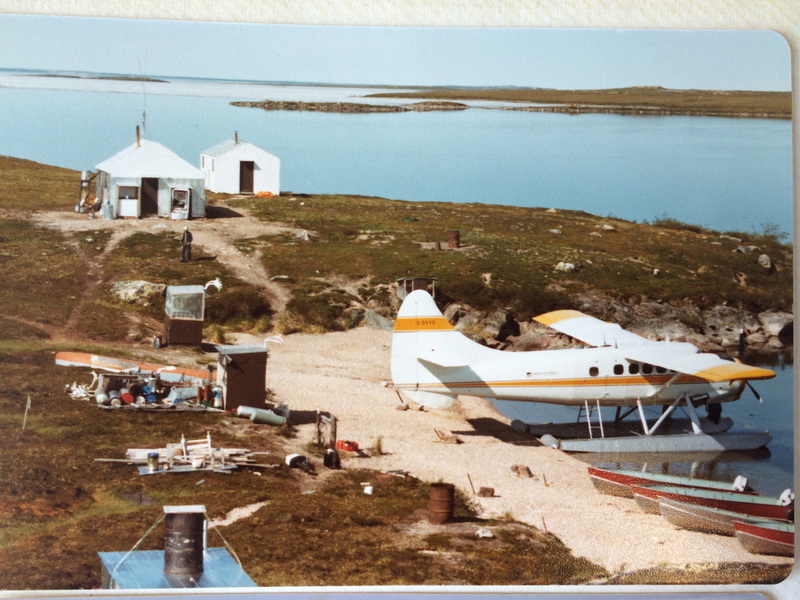
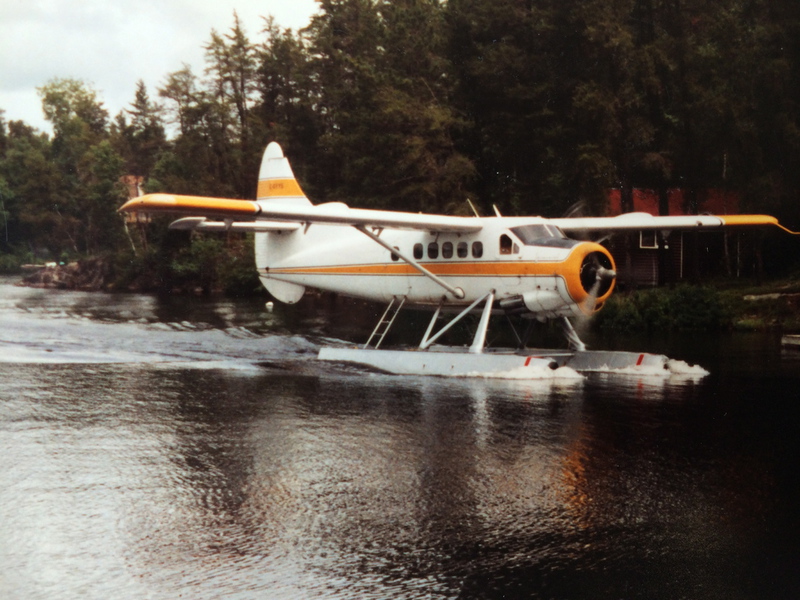
DeHavilland Otter

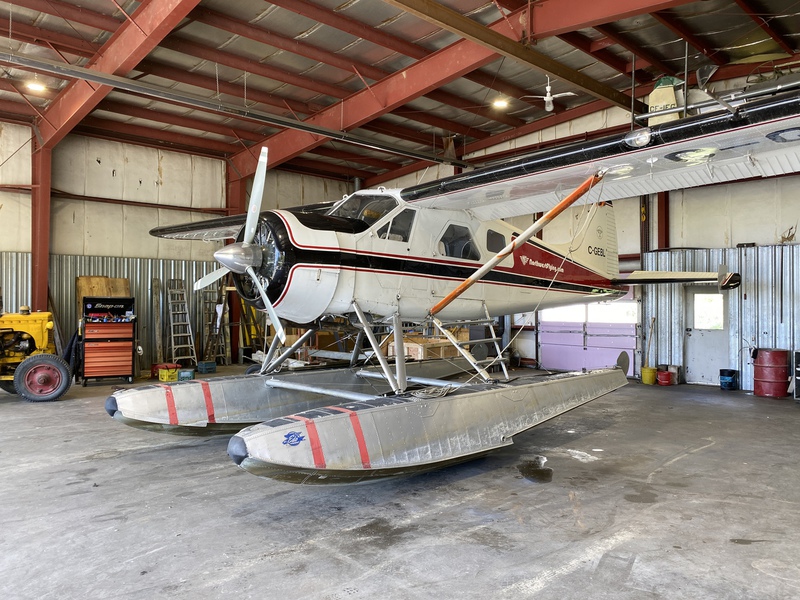
Photograph of Norwest Flying's DeHavilland Otter float plane. DeHavilland Otter

For those big loads, seats 9 people. 2100lb payload.

Otter c/n 276 was delivered to the United States Army on 17th July 1958 with serial 57-6131 (tail number 76131). It was allocated to the 12th Aviation Company, Fort Sill, Oklahoma and in August 1961 it flew north to Alaska when the Company was re-assigned there to join the Yukon Command. 
The Company was based at Fort Wainright, Fairbanks but maintained a platoon at Fort Richardson, Anchorage and 76131 alternated between the two bases while it flew for the 12th Aviation Company throughout the 1960s.

In June 1971 the Otter was re-assigned to the Alaska National Guard, based at Bethel, and served there until October '71 when its military career came to an end. 

It was ferried south to Davis- Monthan AFB, Tucson, Arizona where it was put into storage in the Sonora Desert 'boneyard', one of five US Army Otters to be stored there. It had flown south alongside Otter 81685 (291), also retired from the National Guard at Bethel at the same time and also put into storage in the 'boneyard'. Inventory code of 81685 was UA002 and for 76131 it was UA003

None of these five US Army Otters remained in storage for long. 
The following year, 76131 was allocated to the University of Wisconsin, registered N1UW in September 1972 and based at Oshkosh, Wisconsin. It remained in use with the University until sold in 1979 to Art Gaffray of Silver Falls, Manitoba. He arranged for it to be flown to his base at Silver falls, where it was overhauled and registered C-GYYS. 
He then sold it on in May 1979 to Northwestern Flying Services Ltd based at Nestor Falls, Ontario
In December 1987 there was a change of title to Northwest Flying Inc. It flies alongside the company's Beaver C-GEBL and Beech 18 C-FNKL, operating during the summer months, flying fishermen and tourists.

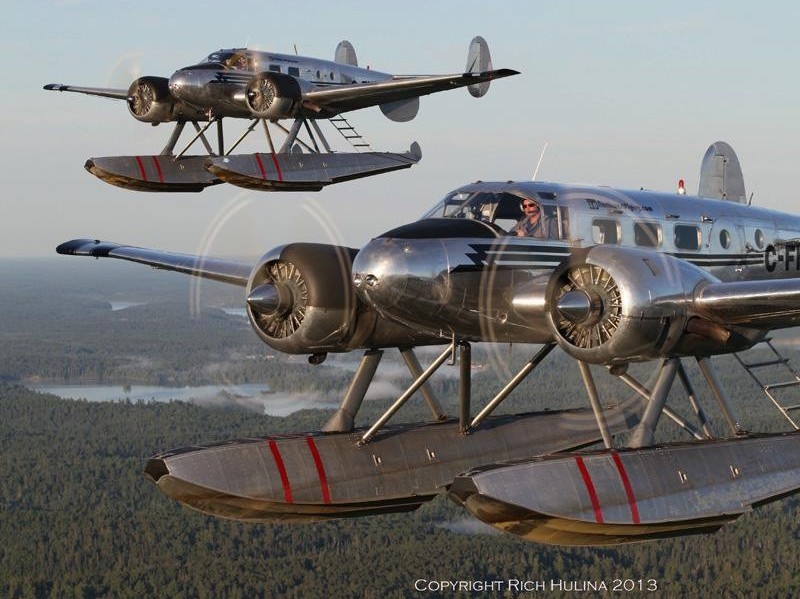
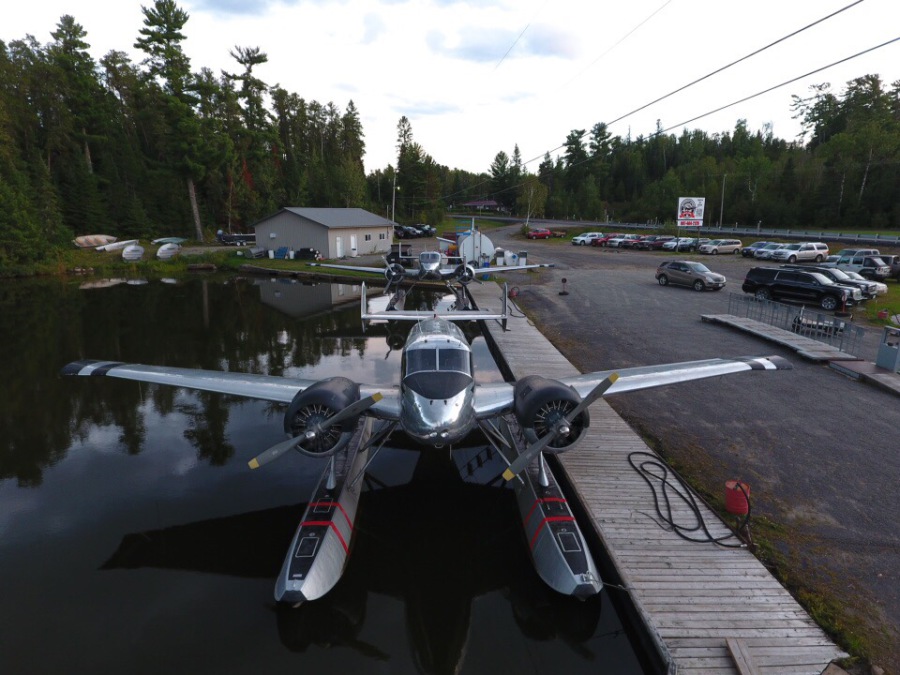
Beech 18

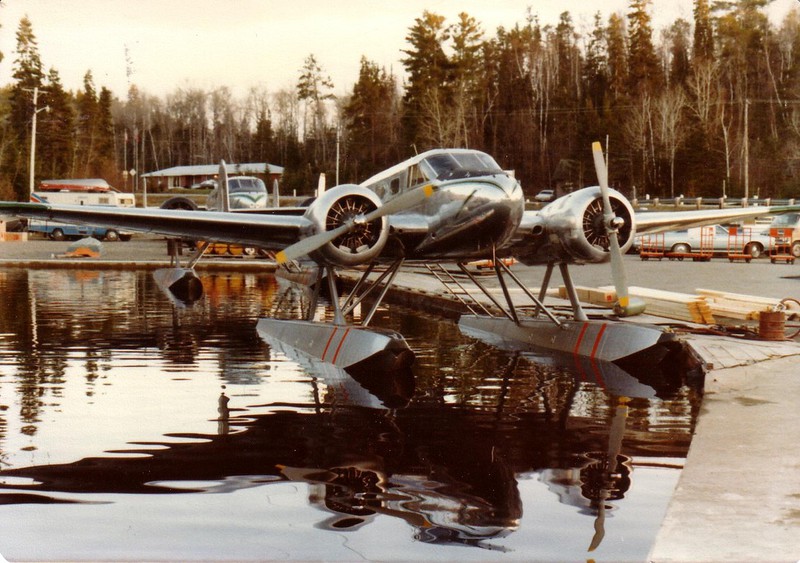
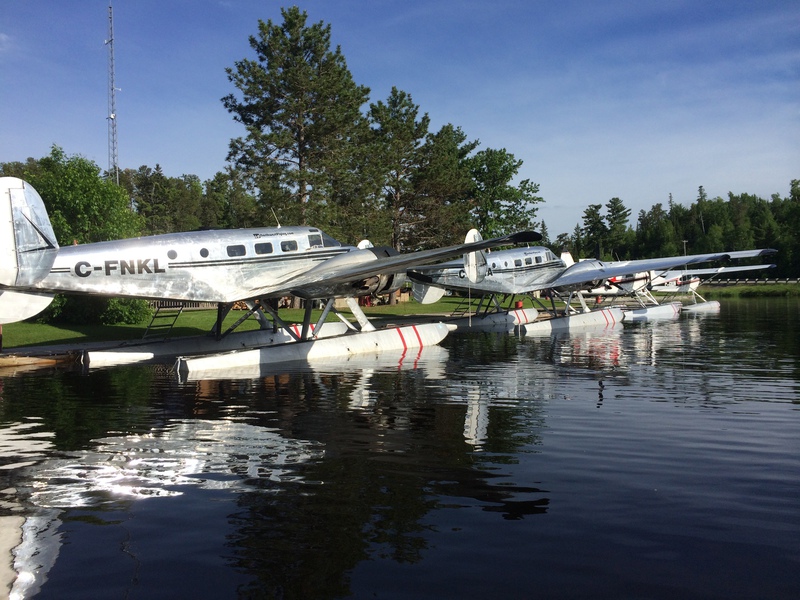
Photograph of Norwest Flying's Beech 18 float plane. Beech 18

Twin engine on floats, seats 8 people. Payload 1800lbs.

It has flown for the USAF as 51-11821, manufactured in 1955. In 1961, it was the prototype Beech 18 float conversion by Bristol Aerospace of Winnipeg. By the late 1930s, Beechcraft management speculated that a demand would exist for a new design dubbed the Model 18 which would have a military application, and increased the main production facilities. The design was mainly conventional for the time, including twin radial engines, all-metal semi-monocoque construction with fabric covered control surfaces and "taildragger" undercarriage, while less common were the twin tail fins. Upon an immediate glance they can be mistaken for the larger Lockheed Electra series of airliners which closely resemble the Model 18. Early production aircraft were either powered by two 330 hp (250 kW) Jacobs L-6s or 350 hp (260 kW) Wright R-760Es. The 450 hp (336 kW) Pratt & Whitney R-985 became the definitive engine from the prewar C18S onwards. The Beech 18 prototype first flew on 15 January 1937.


Click here to see the virtual tour...

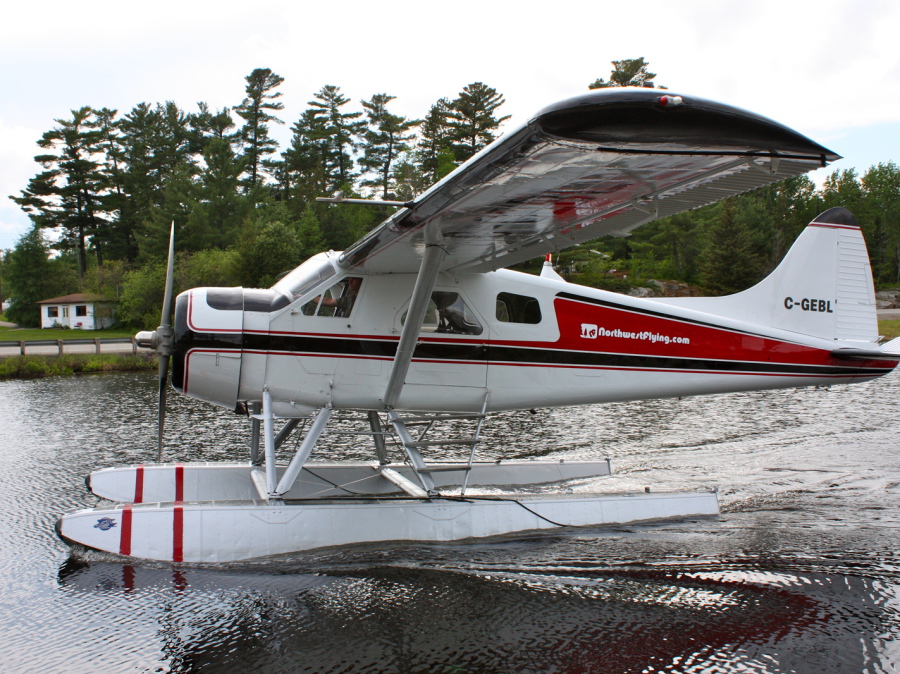
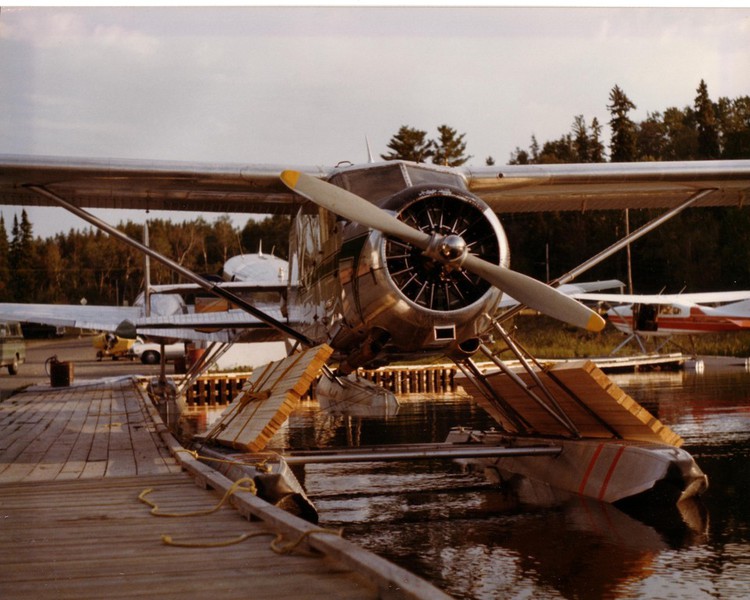
DeHavilland Beaver

Photograph of Norwest Flying's DeHavilland Beaver float plane. DeHavilland Beaver

A real work horse, seats 6 people. Payload 1200lbs

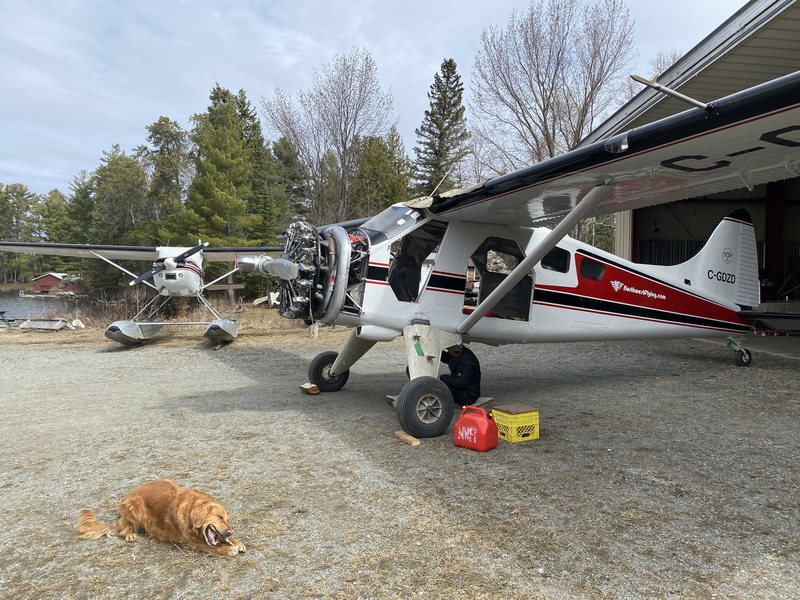
It has been registered to Northwest Flying Inc. of Nestor Falls,ONT since 30may80.In the immediate post-war era, de Havilland Canada management turned to the civilian market for continued work, aware that military contracts were unlikely to guarantee business. The company had recently hired Punch Dickins, a famous bush pilot, as Director of Sales, and he began an extensive program of collecting requests from other pilots in order to understand what they needed in a new aircraft. Almost without variation, the pilots asked for tremendous extra power and STOL performance in a design that could be easily fitted with wheels, skis, or floats. When de Havilland engineers noted that this would result in poor cruise performance, one pilot replied "You only have to be faster than a dog sled". Other suggestions were seemingly mundane but important in the bush plane world; for instance, full-sized doors were installed on both sides of the aircraft so it could be easily loaded no matter which side of a dock it tied up on. The doors were also made wide enough to allow for a 45 gallon drum to be rolled up into the aircraft.

On September 17, 1946, de Havilland officially put together a design team consisting of Fred Buller, Dick Hiscocks, Jim Houston and W. Jakimiuk, led by Phil Garratt. The new aircraft was specifically designed to be all-metal, unlike older designs like the famous Noorduyn Norseman, using "steel from the engine to the firewall, heavy aluminum truss frames with panels and doors throughout the front seat area, lighter trusses toward the rear and all monocoque construction aft". At the time de Havilland Canada was still a British company, and there were plans to fit the evolving design with a British engine. This limited power, so the wing area was greatly increased in order to maintain STOL performance. When Pratt & Whitney Canada offered to supply war-surplus 450 hp (340 kW) Wasp Jr engines at a low price, the aircraft ended up with extra power as well as the original long wing. The result was unbeatable STOL performance for an aircraft of its size.
In 1987, the Canadian Engineering Centennial Board named the DHC-2 one of the top ten Canadian engineering achievements of the 20th century.


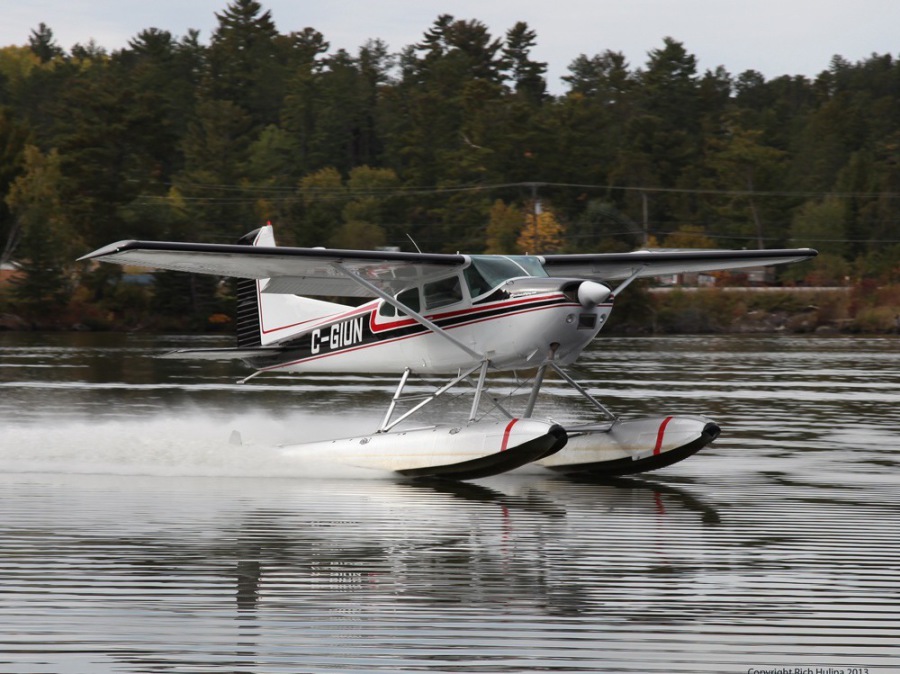
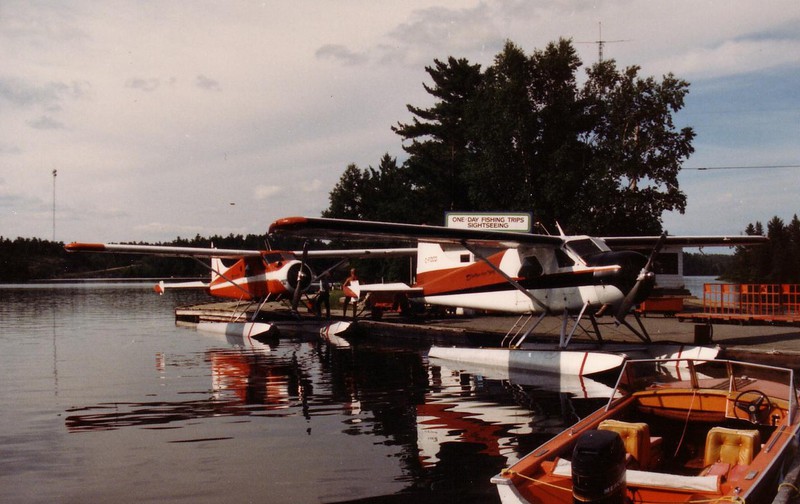
Cessna 180

Photograph of Norwest Flying's Cessna 189 float plane. Cessna 180

Good for smaller loads, seats 3 people. Payload 630lbs

The 180 is considered a workhorse of an airplane, and is favored to this day as a bush plane by many who fly to and from remote, unimproved airstrips in places such as Alaska and distant parts of Canada, the Pacific Islands, and Africa. The 180 is the preferred aircraft of the Colorado Division of Wildlife for monitoring wildlife and re-stocking fish in remote mountain lakes; it is also used by the Montana Department of Natural Resources and Conservation. The New Mexico State Police Aircraft Division was created after it acquired its first aircraft, a fixed wing Cessna 180, on loan from the State Corporation Commission.
The Canadian airlines Lamb Air and Norcanair operated several 180s. A number of 180s continue in similar roles throughout the world.