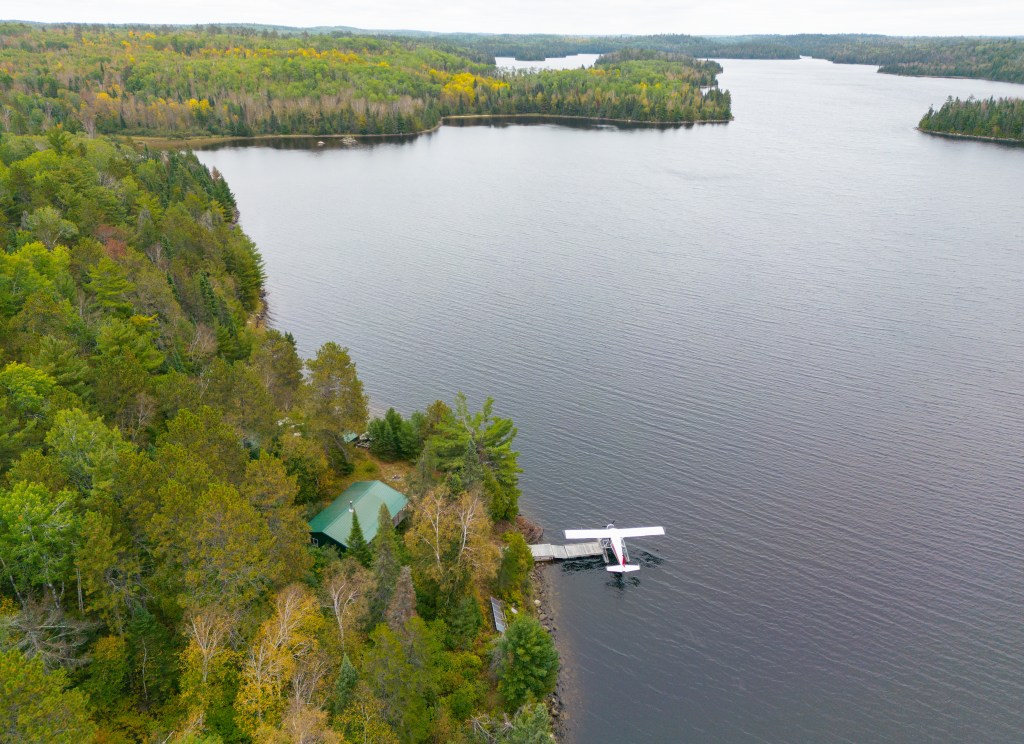

The Canfields and Cooper are heading out on a fly-in fishing adventure to Gordon Lake.
We’re staying with Northwest Flying Inc out of Nestor Falls, Ontario. The service, accommodations and fishing was all top notch. We highly recommend Northwest Flying.
This video, titled “Journey to Gordon Lake,” documents a wilderness fly-in trip to a remote cabin in Ontario, Canada.
The video is 8 minutes and 49 seconds long and was published on September 16, 2024, by the channel Canfield Adventures.
1. Trip Introduction and Setup
The video begins with the narrator setting the scene for the adventure:
- Destination & Operator: The trip is to Gordon Lake [00:00]. The travel is provided by Northwest Flying Inc., operating out of Nester Falls [00:00].
- Acknowledgements: The narrator gives a special thanks to Shane and Gina Pope for organizing the trip [00:07].
- Flight Details: The flight is departing from the Nester Falls air base and is expected to be a short 15 to 20-minute flight [00:13].
- Anticipation: The travelers express excitement, noting it’s their “first flying” experience [00:26].
2. The Journey (Floatplane Flight)
This section, spanning over a minute, features the actual air travel, though the transcript only contains gaps, indicating that the visual experience (takeoff, aerial views, and landing) is the focus [00:32]. The footage shows the floatplane departing, flying over the vast network of lakes and forests, and arriving at the remote Gordon Lake outpost.
3. Arrival and Cabin/Camp Tour
Upon arriving at Gordon Lake [02:23], the video transitions into a detailed tour of the cabin and facilities:
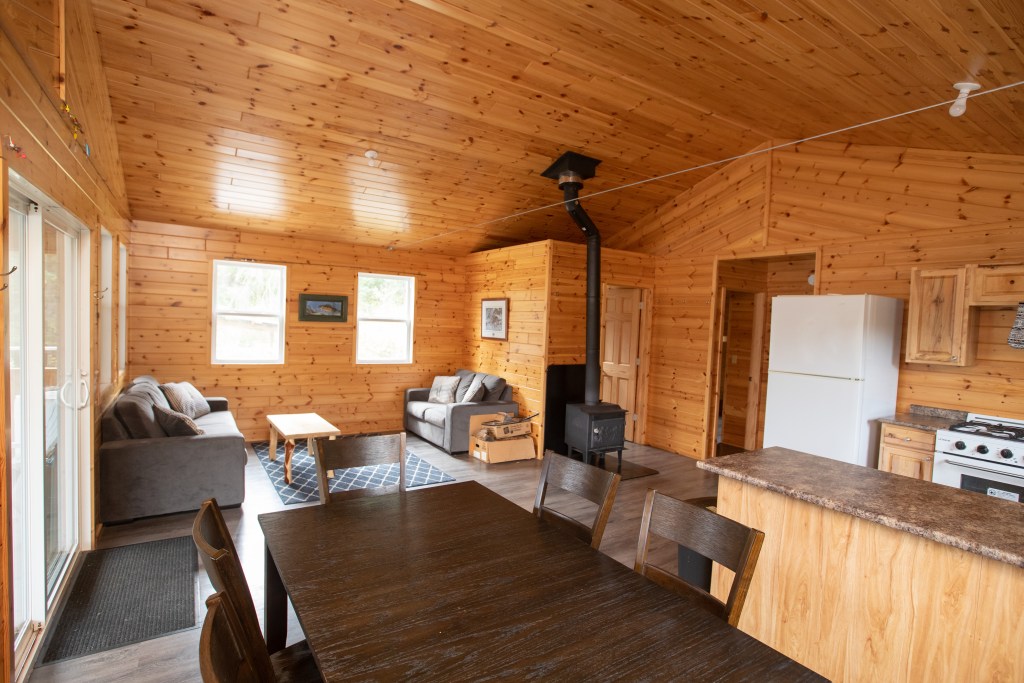
- The Cabin: They showcase a very nice cabin that was built in 2018 [02:32].
- Screened-in Area: There is a screened-in porch, specifically mentioned as being for keeping the bugs away [02:48].
- Interior: The tour continues to the kitchen and living room [02:56].
- Amenities: They highlight the convenience of having running water in an outdoor “elbow” (likely a sink or washing station) [03:11].
- Sleeping Quarters: The cabin has two bedrooms, each furnished with four “comfee beds” [03:19].
- Outbuildings:
- Boats: The group notes that there are three boats available for the visitors to use [03:55].

Remote Fly-In Fishing in Northern Ontario:
127 Miles of Wilderness
The floatplane banked over Gordon Lake, and for the first time in 15 minutes of flight, I understood what “true remote” actually means. No roads. No cell towers. Just 127 miles of interconnected waterways where your family could fish for a week and never see another angler. What I discovered over the next five days challenged everything I thought I knew about planning a wilderness fishing trip.
What Does “Remote Fly-In Fishing” Actually Mean?
Remote fly-in fishing refers to accessing wilderness lakes exclusively by floatplane, eliminating road access and the crowds that come with it. In Northern Ontario’s Sunset Country region, this means departing from bases like Nestor Falls and landing on private lakes—close enough to be practical, remote enough to guarantee solitude.
The reality surprised me: you don’t need to travel hundreds of miles into the backcountry to find seclusion. Our outpost at Gordon Lake sits just 20 minutes by air from civilization, yet we had an entire lake system to ourselves for the week.
Should You Rough It in a Tent or Rent an Outpost Cabin?
I wrestled with this question before booking. Here’s what I considered to help me actually choose:
| Approach | What I Expected | What Actually Happened |
|---|---|---|
| Tent camping on shore | Ultimate wilderness authenticity | Weather concerns would’ve dominated my mental energy daily |
| Outpost cabin rental | Might feel “less authentic” | Freed me to focus on fishing 12+ hour days without logistical stress |
| Hybrid approach | Best of both worlds | Unnecessary complexity for a week-long trip |
The cabin at Gordon Lake—built in 2018—changed my perspective entirely.
With full solar systems, backup generators, wood stoves, running hot water, and indoor showers, I could fish until sunset without worrying about setting up camp in the rain or starting a fire in wet conditions. The screened-in porch kept bugs away during evening fish cleaning sessions, and two bedrooms with four beds each meant our group of six didn’t feel cramped.

For families wanting all nature with minimal infrastructure, fly-in camping trips remain an option—you bring the tent, they provide boats, motors, and gas on your private lake. But after fishing 10-hour days, having a dry, warm cabin with running water wasn’t a luxury—it was what made the trip a real pleasure.
How Do You Document a Fishing Trip Without Destroying the Solitude?
The trade off between being present and capturing memories haunted me the first two days. I brought a camera, journal, and initially tried to film everything. Here’s what I learned:
The environment itself solved the problem.
When you’re on a lake with zero outside distractions—no boat traffic, no distant highway noise, no cell service—recording it becomes meditative rather than disruptive.
A natural rhythm emerged for me:
- Morning (5:30-11am): Pure fishing focus, camera was there, but not used often
- Midday (11am-2pm): Return for lunch, review morning catches in journal, quick nap
- Afternoon (2-7pm): Fishing with camera in dry bag for trophy catches only
- Evening (7-9pm): Reflective photos and videos while watching for moose feeding in shallow bays
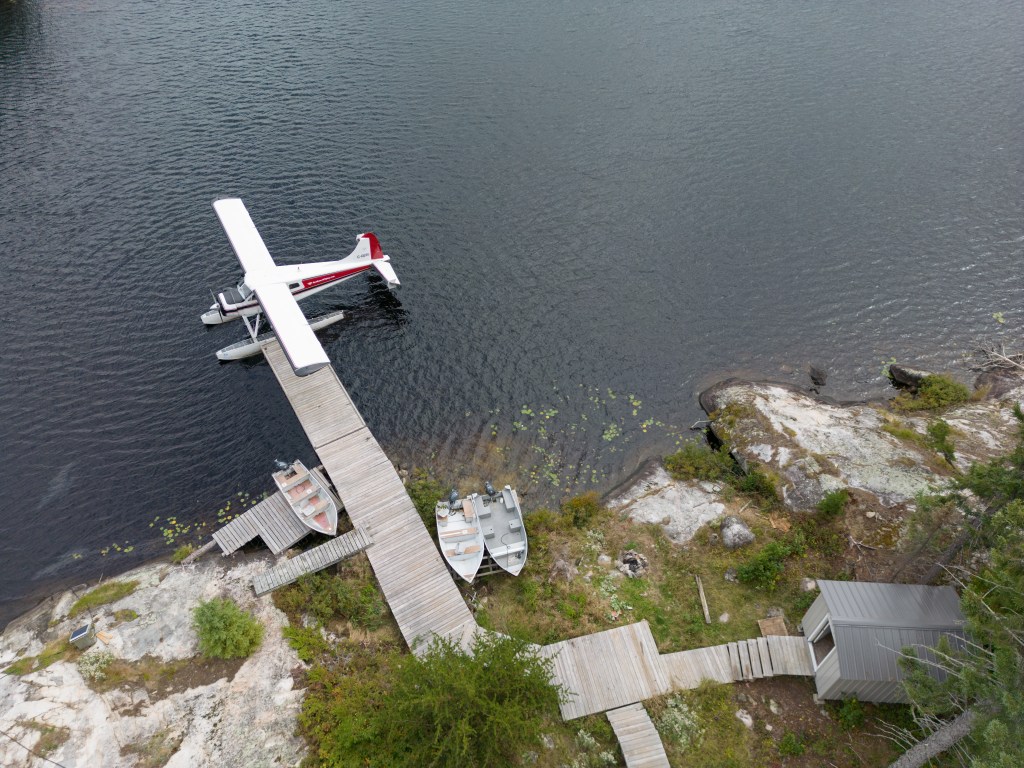
The boathouse at Gordon Lake stored all motors, fishing rods, and life jackets—meaning setup each morning took four minutes instead of twenty. Jumping in the boat for morning walleye was like jumping in the car and going to the store.
See our essential gear for fly-in fishing trips →
When Is the Sweet Spot for Trophy Fishing in Northern Ontario?
Timing proved more than “summer equals big fish.” What the locals and seasonal patterns revealed:
Spring Fishing Window (Late May – Early June)
- Northern Pike: Aggressive in shallows post-spawn, 40+ inch trophies common
- Lake Trout: Still shallow (15-25 feet), accessible without downriggers
- Trade-off: Unpredictable weather, black flies can be intense
Summer Peak (July – August)
- Lake Trout: Move deep (40-80 feet), requires specialized equipment
- Walleye: Consistent action, best eating quality
- Bonus: Stable weather, comfortable cabin temperatures, no bugs with screened areas
Fall Trophy Season (September – Early October)
- Northern Pike: Return to shallows, feeding aggressively pre-winter
- Lake Trout: Begin shallow migration, second optimal window
- Advantage: Fewest anglers, stunning fall colors, cozy outpost cabins
Our September 16th trip hit the early fall window perfectly—Pike were prowling shallow weed beds, and we had the entire lake to ourselves. No other boats appeared all week.
See our guest fishing pictures from all seasons →
How Far Off the Beaten Path Do You Actually Need to Go?
This became the most surprising discovery of the entire trip. The answer: not as far as you think.

All five remote outpost cabins operated by Northwest Flying Inc. sit within a 20-minute flight from Nestor Falls. There is no road access.
The fly-in requirement filters out all other anglers. Your private lakes are already set up with boats such as 16-foot aluminum boats with motors.
What “20 minutes by air” actually means:
- No road access whatsoever
- Zero cell phone coverage
- Private lake systems with interconnected waters
- Complete wildlife encounters undisturbed by human traffic
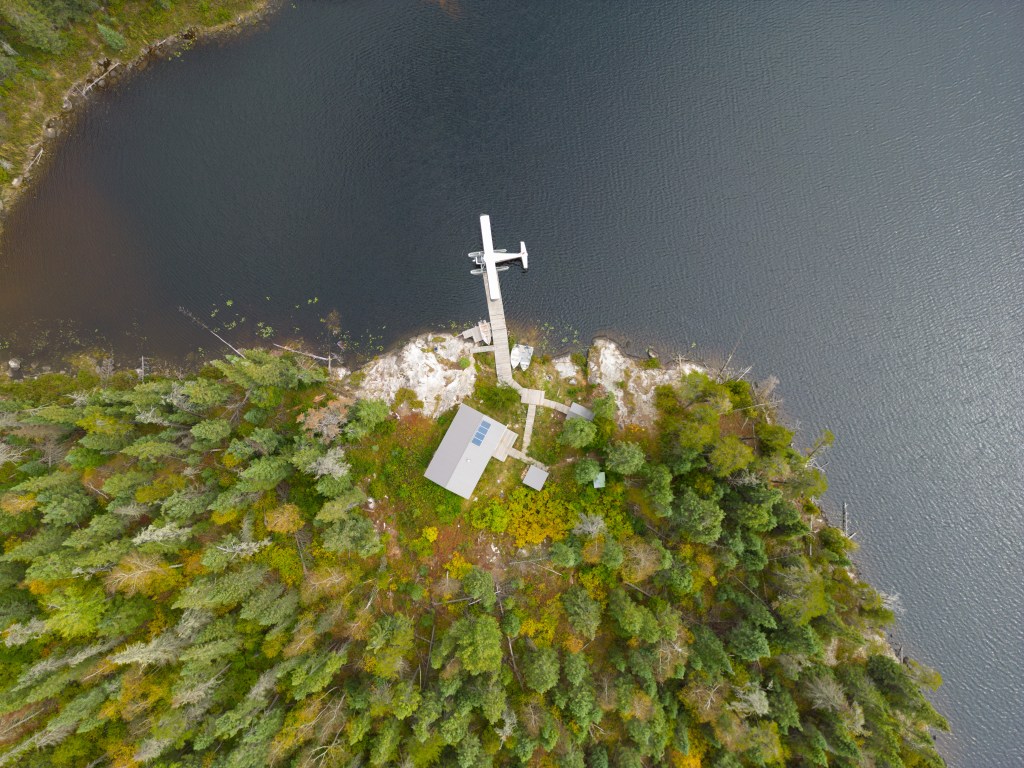
During our week, we explored multiple bays and channels. The only “traffic” we encountered was a cow moose with twin calves feeding in a shallow aquatic vegetation zone—an encounter that lasted 40 minutes because she had no reason to flee.
Can a Group Actually Fish Together Without Getting in Each Other’s Way?
With three boats available for six anglers, we tested different configurations:
Lessons learned:
- Two people per boat created the best experience—enough hands for netting trophy fish, but quiet enough for conversation
- Splitting up by species preference worked better than staying together—Pike anglers worked shallow weed beds while trout fishers hit deep structures
- The screened-in porch became evening headquarters—where we compared notes, cleaned fish, and planned the next day
The cabin’s layout supported the group naturally. The kitchen and living room provided communal space, while two separate bedrooms allowed for different wake-up schedules without disruption.
Get our group fishing trip planning guide →
What About the Practical Details on a Remote Trip?
The Gordon Lake cabin delivered on everything that matters when you’re 20 miles from the nearest store:
Power and Water:
- Full solar system with backup generator (never lost power)
- Running hot water via outdoor “elbow” station for fish cleaning
- Indoor showers (game-changer after 10-hour fishing days)
- Wood stove provided comfy heat during cool September mornings
Food and Cooking:
- Full kitchen in main cabin
- Separate shed for barbecuing (kept fish smells out of living space)
- Propane provided, we brought groceries for the week
Safety and Communication:
- Satellite phone at cabin for emergencies (never used it)
- First aid kit provided
- Everything explained at the base before departure
- Scheduled pickup time (punctual to the minute)
Does Flying In Actually Feel Safe With Weather and Wilderness Factors?
My biggest pre-trip anxiety centered on the floatplane flight. The reality proved far more routine than I imagined:
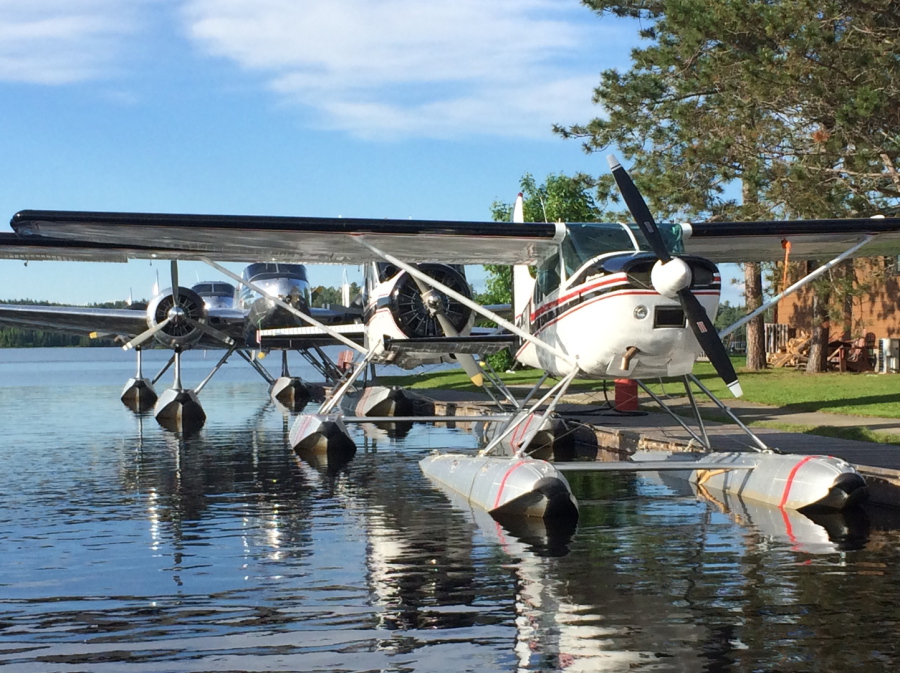
The 15-20 minute flight on the Beech 18 floatplane operated by Northwest Flying Inc. felt similar to a small regional airport.
The pilot provided a brief safety orientation, checked weather conditions via radio, and maintained steady communication with the base.
Weather protocols matter: Flights get delayed or rescheduled if conditions aren’t safe—this happened to another group the day before us due to fog. But once airborne, the experience transitions from nervous anticipation to genuine wonder. The aerial perspective of the maze of interconnected lakes makes it easy to why these fisheries remain so pristine.
What Would I Do Differently Next Time?
After five days at Gordon Lake, here’s what I’d change:
- Bring a better camera for wildlife—my phone couldn’t capture the moose encounter quality I wanted
- Pack one less tackle box—I packed light and still brought more than we needed
- Extend to 7-8 days—just as we found our rhythm, it was time to leave
- Focus on one species per day—switching between Pike and Trout mid-day didn’t work
- Bring a physical journal —no screens meant better morning and evening reflection time
What I wouldn’t change: The cabin choice over tent camping. That decision made the trip a comfort for warmth, for hot showers, and for a good night of sleep.
Is Remote Fly-In Fishing Worth the Premium Over Drive-To Lakes?
The cost is more than a drive-to cabin. But here’s what you’re actually paying for:
Guaranteed solitude: Not a single other angler all week
Pristine fisheries: Catch rates and average sizes noticeably higher
Wildlife encounters: Moose, eagles, and loons daily without human disturbance
Mental reset: True disconnection impossible at drive-to locations
Group bonding: Shared isolation creates conversation depth that doesn’t happen with cell service
For a once-every-few-years trip or milestone family getaway, the rare time of solitude is priceless.
Who Should Book a Trip Like This (And Who Shouldn’t)?
This experience suits:
- Families wanting dedicated time together without digital distractions
- Anglers targeting trophy Pike or Lake Trout
- Groups comfortable with rustic-but-comfortable accommodations
- Anyone seeking genuine wilderness without extreme survival skills
This probably isn’t for:
- Solo travelers uncomfortable with complete isolation
- Groups needing daily connectivity for work/family
- Anglers expecting resort-style amenities
- Those uncomfortable with wildlife proximity
The Gordon Lake experience sits in a sweet spot: remote enough to deliver true wilderness, comfortable enough that a little rough weather is ok, and accessible enough that a 20-minute flight separates you from civilization rather than a multi-day paddle.
Final Reflection: What the Silence Actually Teaches
On our last evening, I sat on the screened porch as the sun dropped behind the forest. No engine sounds. No voices carrying across water. Just loons calling and the occasional splash of a feeding Pike.
That silence—not the fish we caught, not the comfortable cabin, not even the moose encounter—became the trip’s lasting gift. It’s the kind of quiet that makes you realize how much noise you’ve normalized. And it’s exactly what you can’t find at a drive-to lake with weekend campers and passing boats.
The floatplane ride back felt shorter than 20 minutes. Probably because the family was already planning our next trip.

Ready to experience Gordon Lake or one of the other remote outposts? Northwest Flying Inc. operates from Nestor Falls, Ontario, with specialized spring, summer, and fall fishing packages.
Pingback: Fly in Fishing Trips at the Minnesota Sportsmen's Show