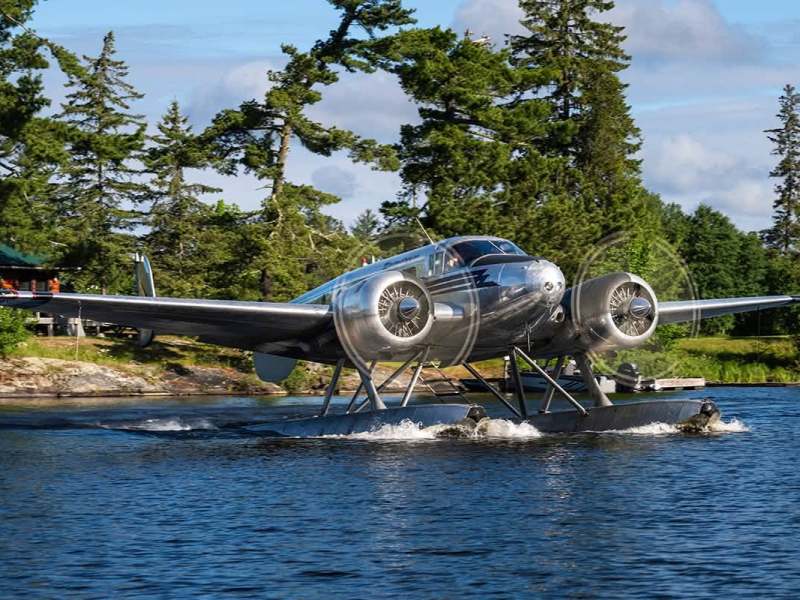
August Newsletter – Fly-In Fishing Stories
A season of guest photos and stories from our fly-in lakes near Nestor Falls…

For anglers focused on size, solitude, and reliability, fly-in lake trout fishing offers a level of quality that road-access lakes simply cannot match.
Experience the challenge of targeting the powerful, cold-water apex predator of the north in deep, pristine, and remote fly-in lakes.
If you seek a true wilderness challenge—a deep-water hunt for a powerful, solitary fish that represents the oldest and largest predator in the lake—then a Lake Trout fly-in fishing trip with Northwest Flying is calling your name.
We specialize in flying anglers into deep, clear, oxygen-rich outpost lakes in Northwestern Ontario. Our short flights (just 8 to 36 minutes) grant you exclusive access to untouched waters where Lake Trout thrive, offering an incredible challenge for dedicated anglers.
➝ If you have been a guest of Northwest Flying and would like your reviews and lake trout pictures featured on our blog and Facebook, please email them to us at northwestflying@gmail.com


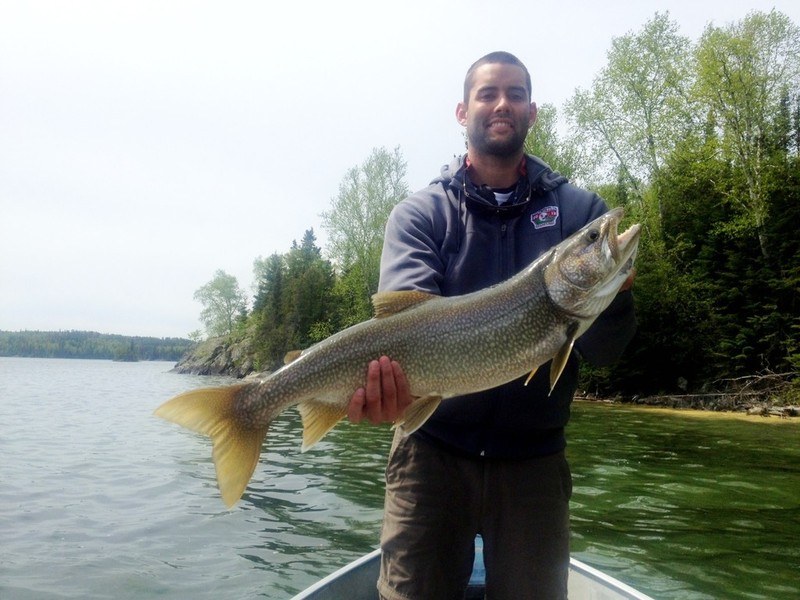
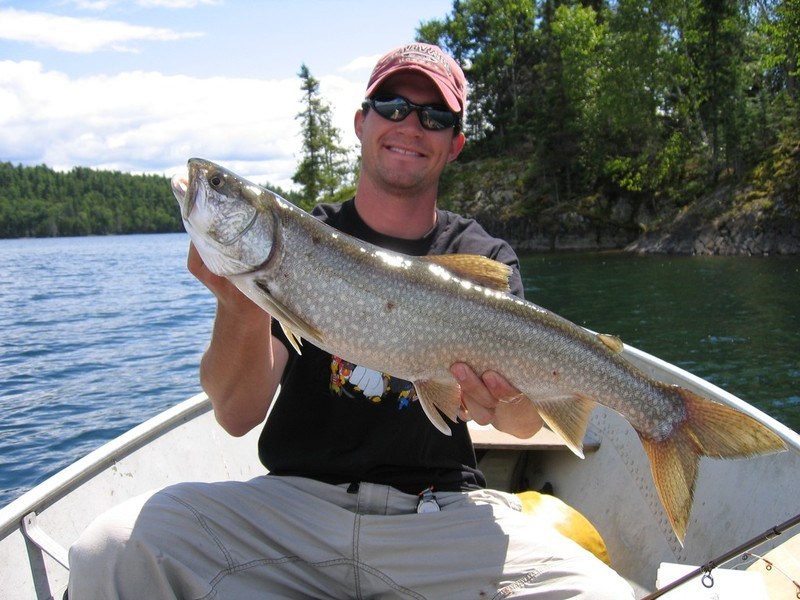
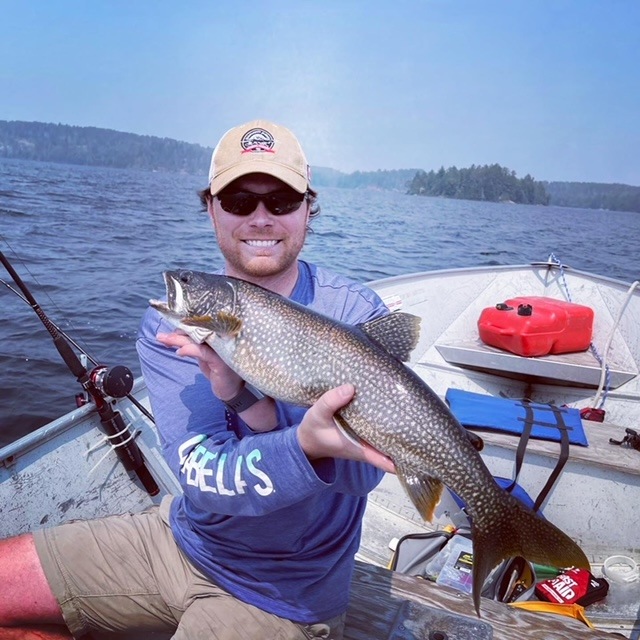
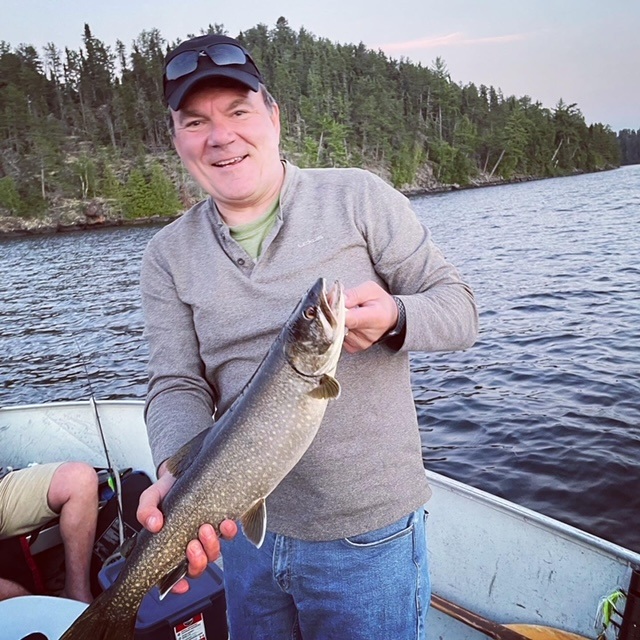
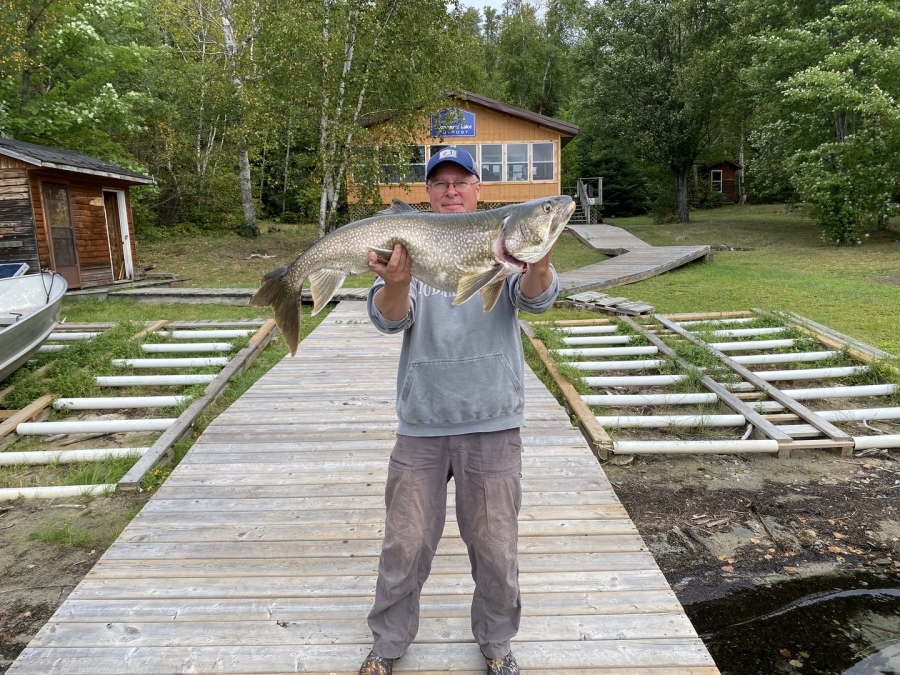
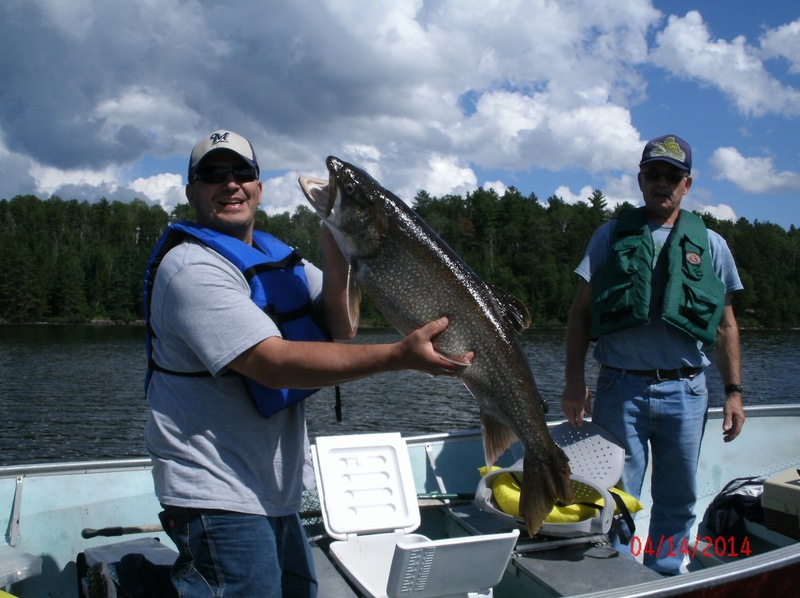


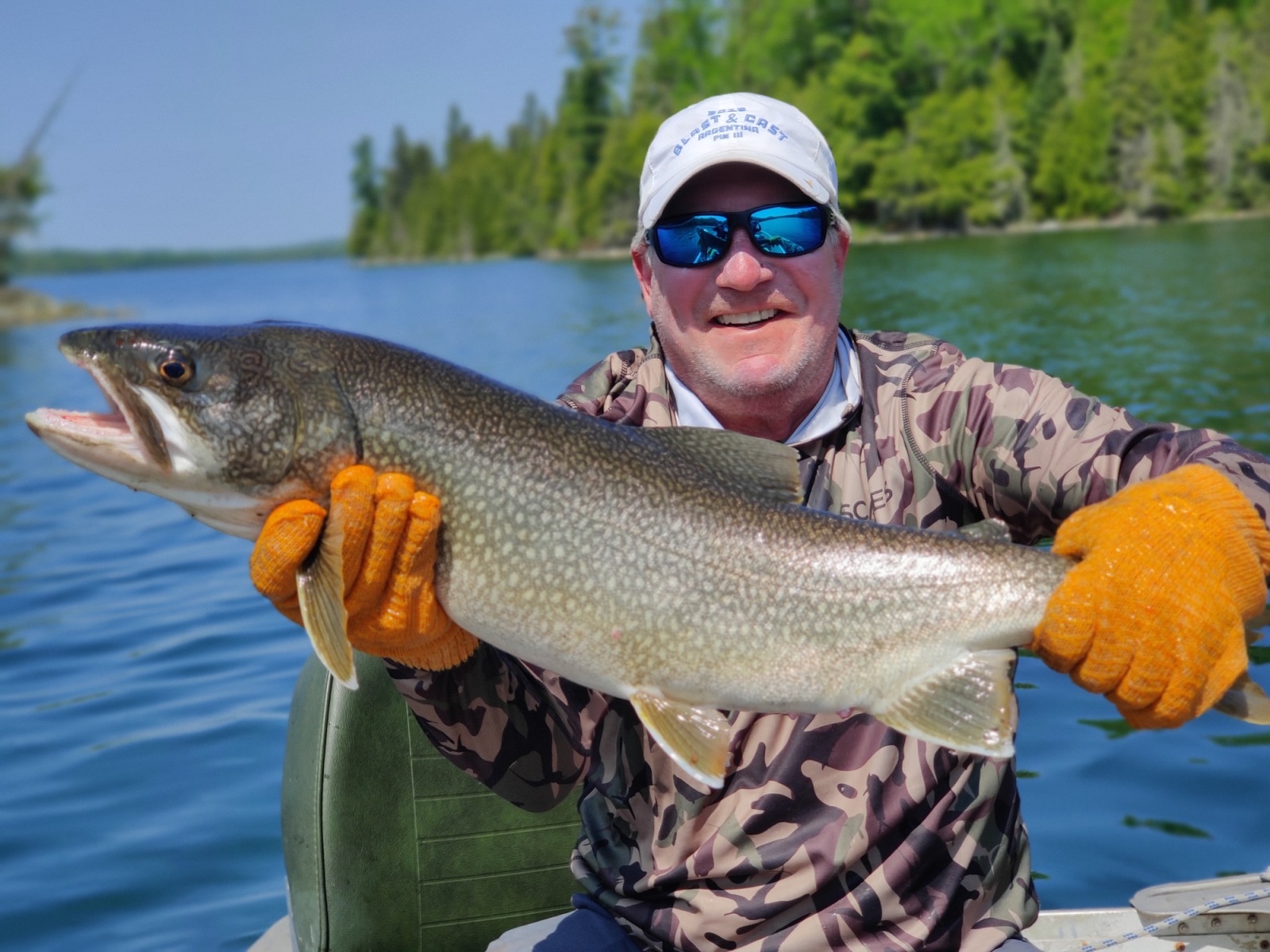

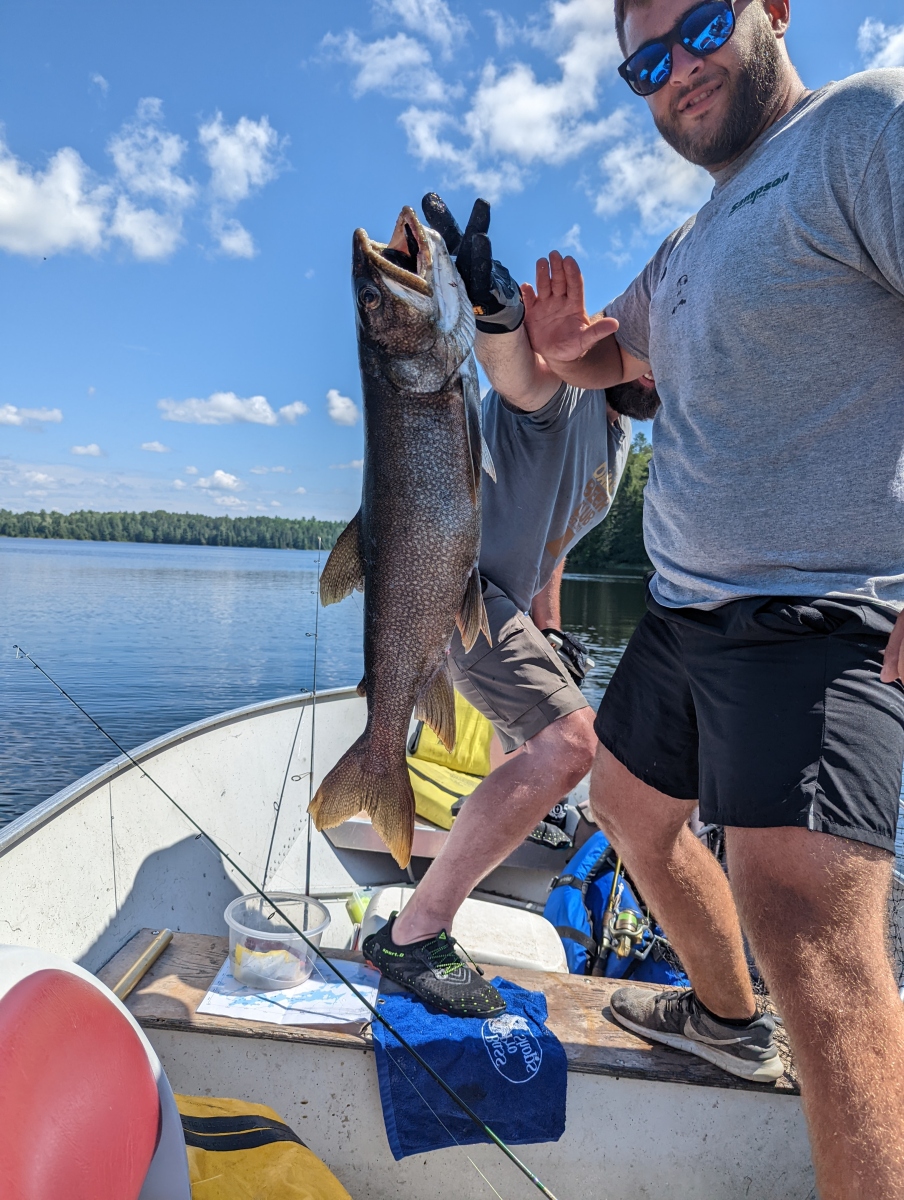
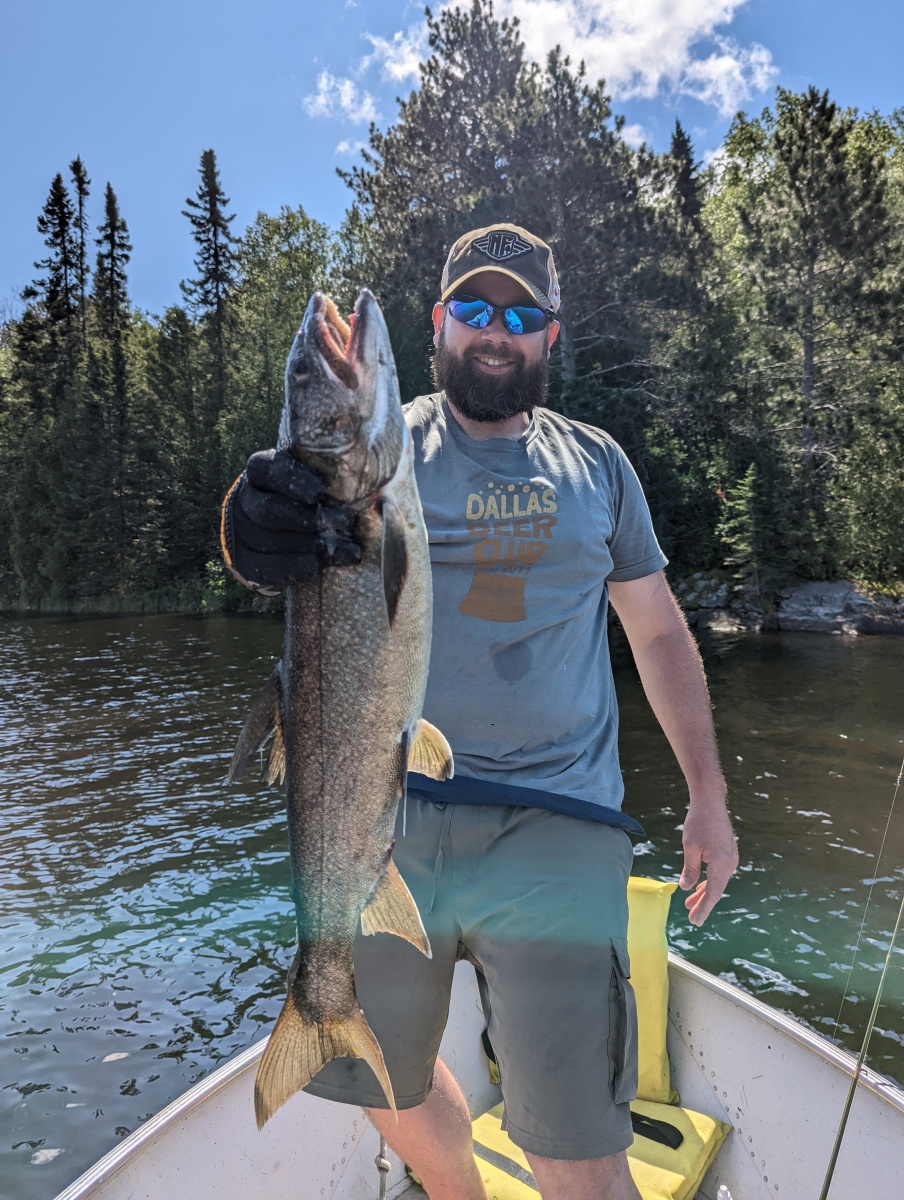
Lake trout thrive in deep, cold, oxygen-rich water, making remote fly-in lakes some of the best environments in the world to target true trophy fish.
Fly-in access changes the entire experience. Instead of competing boat traffic and shallow shorelines, anglers reach lakes defined by depth, clarity, and underwater structure such as humps, saddles, and steep breaks.
In Northwestern Ontario, untouched structure, limited fishing pressure, and clean water conditions allow lake trout to grow larger and live longer than in heavily accessed systems.
These conditions concentrate mature lake trout and create consistent opportunities throughout the season.

Lake Trout are a unique species defined by their power, size, and need for cold, deep water.
With lake trout, timing your trip is less about moon phases and more about water temperature and seasonal patterns. Lake trout are a cold-water species — they need water in the 48 to 55 degree range to be most active — and that drives everything about when and how you fish for them. On our lakes, Loonhaunt and Ajax both hold lake trout in deep, clear water, and Kishkutena has them too. The biggest factor in your trip timing is the split between spring and summer behavior.
Right after ice-out in late May and into early June, lake trout are shallow — sometimes in ten to fifteen feet of water — feeding aggressively after the long winter. That's the easiest window to catch them because you can cast or troll in shallow water without specialized deep-water gear. Once the surface water warms through June and into July, those fish drop to 40, 60, even 80 feet, and now you're jigging heavy spoons and tubes straight down or trolling with downrigger-style setups.
That's more technical and demands heavier gear and electronics if you have them.
Moon phases matter less for lake trout than they do for muskies. Lakers are structure-oriented and temperature-driven — they relate to deep rock humps, steep drop-offs, and the thermocline more than they respond to lunar cycles. What does matter is barometric pressure. A stable or slowly falling barometer tends to keep them feeding, while a sharp pressure spike after a cold front can shut them down, same as any species. Fall — September into early October on our lakes — is another strong window because the surface water cools again, the thermocline breaks down during lake turnover, and lake trout move shallower and feed heavily before winter. That fall window overlaps with our best walleye and pike fishing too, so your group gets the full package.
The Ontario season for lake trout closes September 30 in our zone, so if lake trout are a priority, you need to plan accordingly and not book into October. A good day of lake trout fishing on our lakes might produce 10 to 15 fish, and these are slow-growing fish that deserve careful handling — we strongly encourage catch-and-release for anything over 20 inches.
So here's what would help me point you in the right direction — are you looking to target lake trout as the primary species, or is this more about having lake trout as one option alongside walleye and pike during a multi-species trip?
Last reviewed: 2026-03-15Lake trout make this evaluation pretty simple because they're picky about where they live. They need cold, deep, well-oxygenated water — and that means clear lakes with significant depth and rocky structure. You're not going to find lake trout thriving in shallow, tea-stained, weedy water. That's walleye and pike territory. Lake trout need that clean, cold Canadian Shield water with rock basins that hold temperature through the summer.
On our system, that narrows your lake trout options to three lakes: Loonhaunt, Ajax, and Kishkutena. All three have the depth, clarity, and rocky structure that lake trout require. Cleftrock is a three-lake system with classic tea-colored walleye water — fantastic for walleye numbers, but that's not lake trout habitat. Gordon is our trophy walleye and muskie lake, but it's not listed as a lake trout water either. So if lake trout are part of your plan, the lake selection conversation starts with those three.
Within those three, the structure type matters for how you'll fish. Rocky points that drop sharply into deep basins are your primary targets in summer — lake trout cruise those break lines and hold on underwater humps where they can ambush cisco and other baitfish in cooler water below the thermocline. Kishkutena is heavily rocky throughout with shoreline structure that creates those kinds of drop-offs. Loonhaunt is a big, sprawling system with a mix of structure types — you'll find deep rock basins for lake trout alongside shallower weedy bays that hold walleye, pike, and bass. That variety is why Loonhaunt is our most popular lake overall. Ajax gives you five connected lakes with portages between them, so you've got the ability to explore different basins and find where the lakers are stacked on any given day.
The key thing to understand is that water clarity and lake trout go hand in hand. Clear water means light penetrates deeper, which supports the cold-water food chain these fish depend on. If someone is showing you a stained, shallow lake and telling you it's great lake trout water, that should raise a flag. Lake trout evolved in deep, cold, clear environments, and that's where they reach trophy size.
One more thing worth mentioning — early season, right after ice-out in late May and June, the surface water is still cold enough that lake trout come shallow. During that window, you can catch them in ten to fifteen feet over rocky structure, and the water type evaluation becomes less about depth and more about finding the right rocky shoreline with access to deep water nearby. As summer progresses and the surface warms, they retreat to depth and you're jigging 40 to 80 feet down. That seasonal shift is the biggest variable in how you'll actually fish for them, regardless of which lake you choose.
So here's what I'd want to figure out with you — is lake trout the primary species driving your trip, which would point you toward Kishkutena or Ajax, or are you looking for a lake like Loonhaunt where you can target lake trout as part of a broader multi-species experience?
Last reviewed: 2026-03-16A Powerful, Cold-Water Fight
Lake Trout strikes often feel like snagging a log, followed by a sudden, powerful, and deep run. They fight with unmatched stamina, using their size and the drag of the deep water against you. Landing a large Lake Trout is a test of strength and endurance.
Two Seasons of Unique Action
Lake Trout fishing is dramatically split into two prime seasons, offering different experiences:
Because our fly-in outposts see such low fishing pressure, the Lake Trout are allowed to reach impressive sizes and old ages.
While you will catch younger, aggressive fish, the potential to hook an ancient, heavy trophy is very real on our deeper waters.

Lake Trout are highly sensitive to temperature and require deep, clear, oligotrophic waters. We focus our trout trips on the outposts that offer this specific, pristine habitat.
| Lake | Flight Time | Primary Focus | Other Species |
| Loonhaunt Lake | 19 min | Proven Depth & Structure | Walleye, Pike, Bass, Muskie |
| Ajax Lake | 25 min | Deep Structure & Humps | Walleye, Pike, Bass |
Loonhaunt Lake (19 air miles) – Proven Depth & Structure
Loonhaunt Lake’s sprawling system features deep basins and dramatic structural drop-offs, providing the year-round cold-water sanctuary required by Lake Trout. This is our most popular all-around lake for anglers seeking to combine the challenge of trout with the abundance of walleye.
Ajax Lake (25 air miles) – Deep Structure & Humps
Ajax Lake connects to a five-lake system, with specific, deep points and submerged humps that act as Lake Trout magnets in the summer. It offers the dedicated angler plenty of unexplored deep water to hunt.
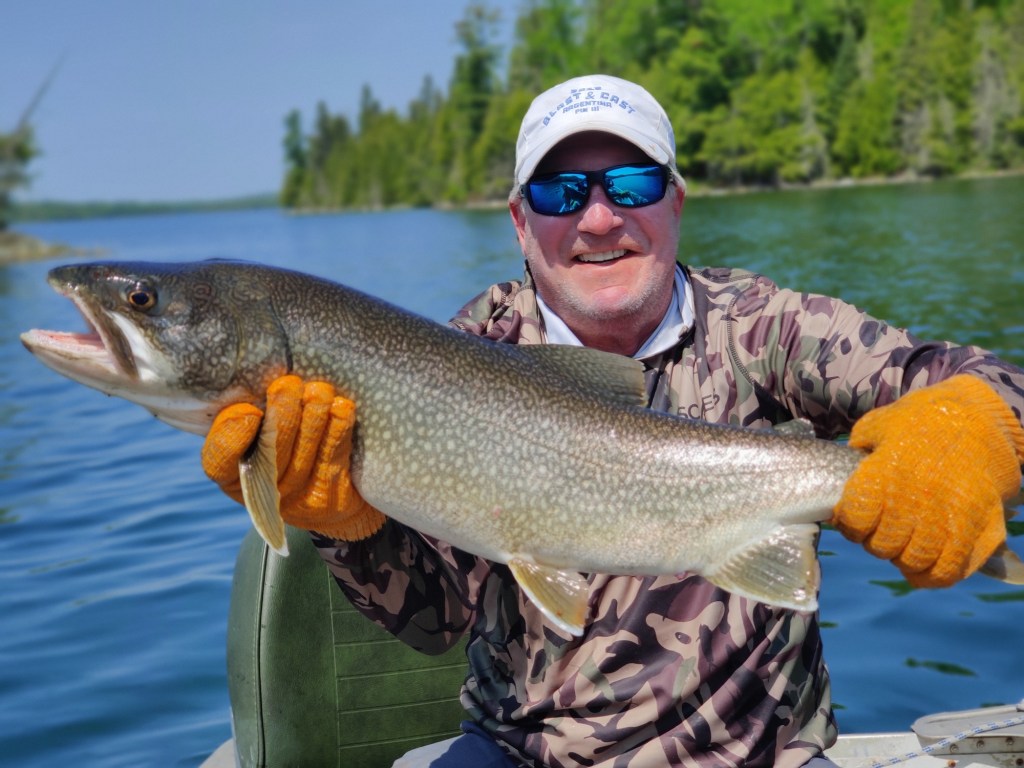
Lake Trout require a different approach than walleye or pike, demanding specific tackle and strategies, particularly during the deep-water summer months.
Deep Water Jigging (Summer)
This is the most effective way to target mid-summer trout.
Master the Technique: Learn the nuances of finding the thermocline and the best ways to present a jig to deep-dwelling trout.
How to Jig for Deep Lake Trout in Mid-Summer
Trolling Strategies (All Seasons)
Trolling is effective for covering water and locating active fish.
Lake Trout require a setup with the sensitivity to detect a deep bite, but the backbone to handle a powerful run from the depths. Focus on quality reels and fresh line.
The Deep Dive: Get our specific lure and depth recommendations for high-success trolling.
Trolling Techniques: Lures and Depths for Ontario Lake Trout
Gear: A Sensitivity/Strength Balance

Lake trout are a slow-growing, long-lived species, which makes responsible handling critical in remote fisheries. Proper catch-and-release practices help protect trophy populations and ensure these lakes continue producing quality fishing for future generations.
Using appropriate tackle to shorten fight times, keeping fish in the water during release, and minimizing air exposure are all essential steps.
In fly-in destinations where natural reproduction is key, conservation-minded anglers play an important role in preserving the health and sustainability of each lake.
Lake Trout are fragile, especially when brought up from extreme depths or handled in warm weather. Our strict conservation commitment helps maintain this trophy fishery.
Quick Release is Critical
Trophy Stewardship:
Always take care with quickly unhooking, photographing, and releasing Lake Trout to ensure their survival.
We provide the stable, reliable logistics you need to successfully tackle the challenging Lake Trout.
Short Flights, Maximum Fishing Time
The flights to our prime Lake Trout lakes are short—all under 30 minutes for Loonhaunt and Ajax. This minimizes transit time, ensuring you have every possible minute on the water hunting.
The Equipment We Provide
Comfortable, Modern Outpost Cabins
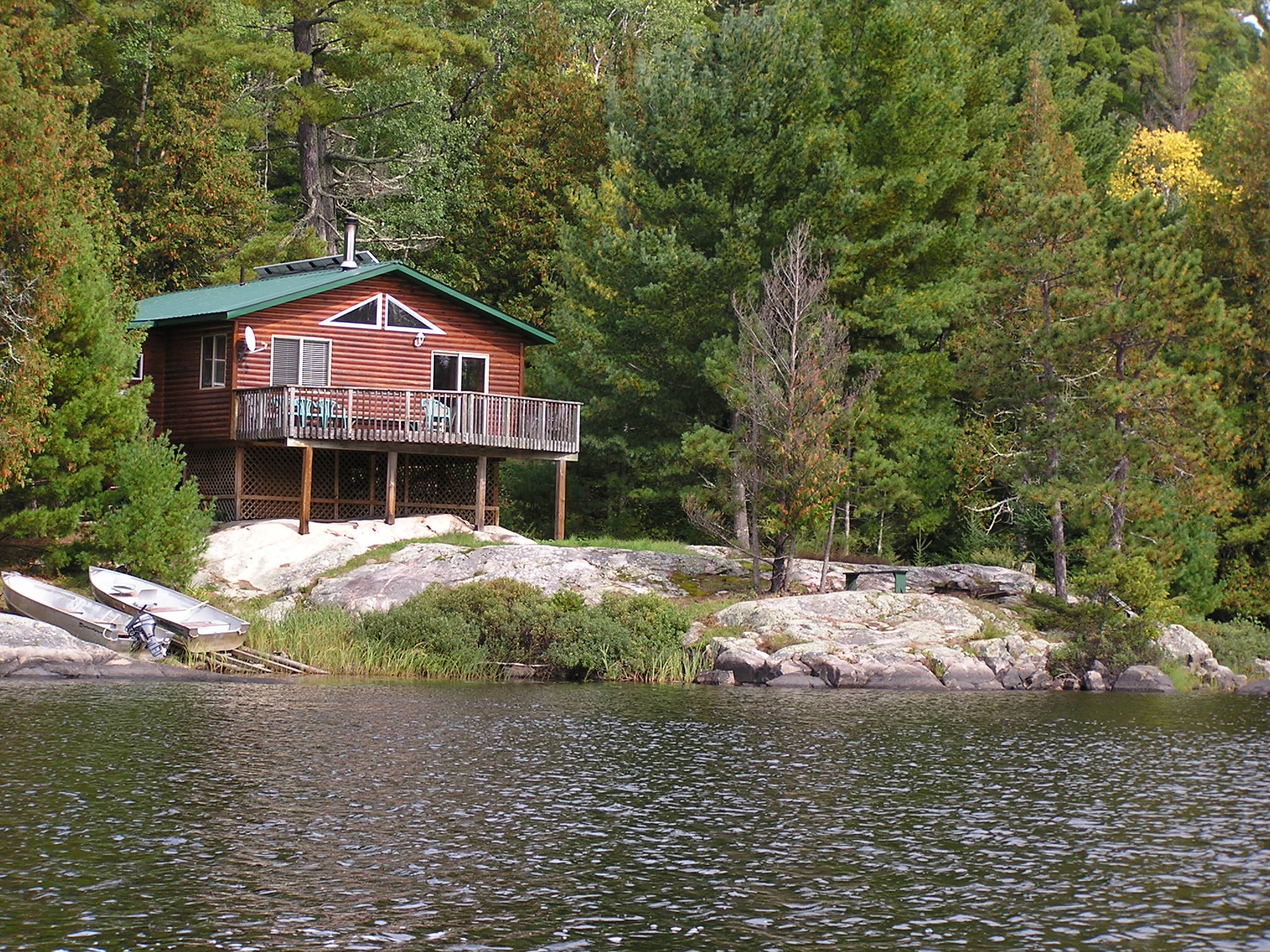
After a long day of fighting fish in the depths, you’ll appreciate our comfortable cabins. They include running hot and cold water, indoor showers, full kitchen amenities, and solar-powered lighting. You are remote, but never uncomfortable.
Ready to Plan Your Trip?
For full details on our Rates, Cabin Amenities, What to Bring (Gear Weight Limits), and Booking Process, please check our shop.
If you are a serious angler seeking the power and challenge of the ultimate cold-water fish, and you want to fish pristine, exclusive waters, a fly-in trip with Northwest Flying is unmatched.
Call us today to secure your dates for 2026 or 2027:
The deep water awaits your challenge.
Lake trout behavior is closely tied to water temperature and depth. During early season periods, trout are often found shallower, cruising rocky shorelines and structure near cold inflows. As water temperatures rise, they transition into deeper basins where stable conditions allow them to conserve energy and feed efficiently.
Fly-in lakes provide anglers with direct access to these prime zones.
Deep-water jigging, controlled trolling passes, and precise depth control are key techniques when targeting lake trout in remote systems. Understanding how trout move through these environments dramatically increases success and reduces time spent searching unproductive water.
Planning a successful lake trout fly-in trip starts with choosing lakes that match your goals. Depth profiles, water clarity, seasonal timing, and access all influence the type of fishing experience you can expect. Fly-in destinations allow anglers to focus on quality over quantity, maximizing time on productive water instead of travel and congestion.
Selecting the right lakes and understanding seasonal patterns ensures each trip delivers both memorable fishing and a true wilderness experience.
A season of guest photos and stories from our fly-in lakes near Nestor Falls…
She was sixteen. No cell phone. Her dad on one side of the cabin,…
What would make someone return to the exact same remote fishing lake… for over…
You must be logged in to post a comment.