August Newsletter – Fly-In Fishing Stories
A season of guest photos and stories from our fly-in lakes near Nestor Falls —…

Dedication meets opportunity. Hunt the legendary “Fish of 10,000 Casts” in remote lakes where low pressure allows them to reach true trophy dimensions.
Muskellunge (Muskie) is the pinnacle of freshwater angling. It demands patience, specialized gear, and unwavering focus, rewarding the dedicated angler with a battle against the biggest, baddest predator in the lake.
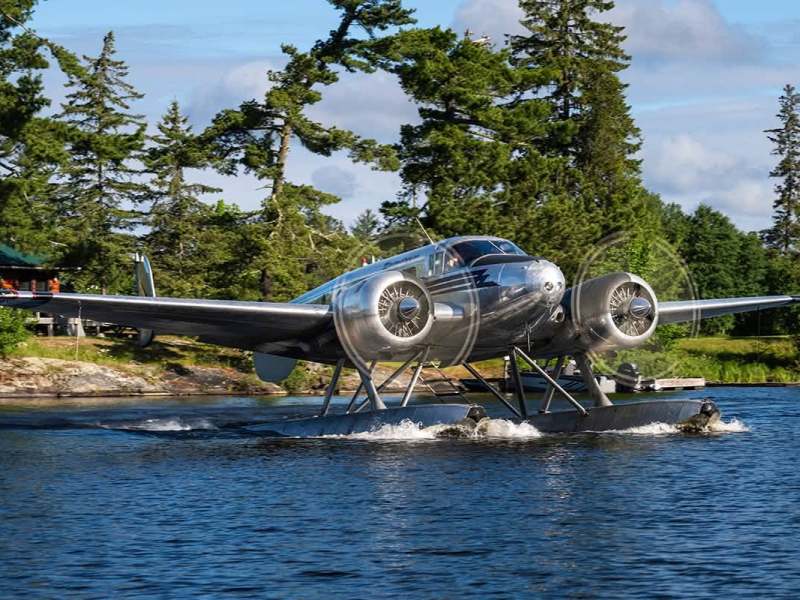
At Northwest Flying, we provide exclusive access to sprawling, structure-rich lakes in Northwestern Ontario where Muskie thrive undisturbed. Our quick floatplane flights (8 to 36 minutes) mean you spend less time commuting and more time casting for the fish of a lifetime. If you’re ready to test your mettle against the ultimate predator, the Muskie are waiting.
➝ If you have been a guest of Northwest Flying and would like your reviews and muskie pictures featured on our blog and Facebook, please email them to us at northwestflying@gmail.com
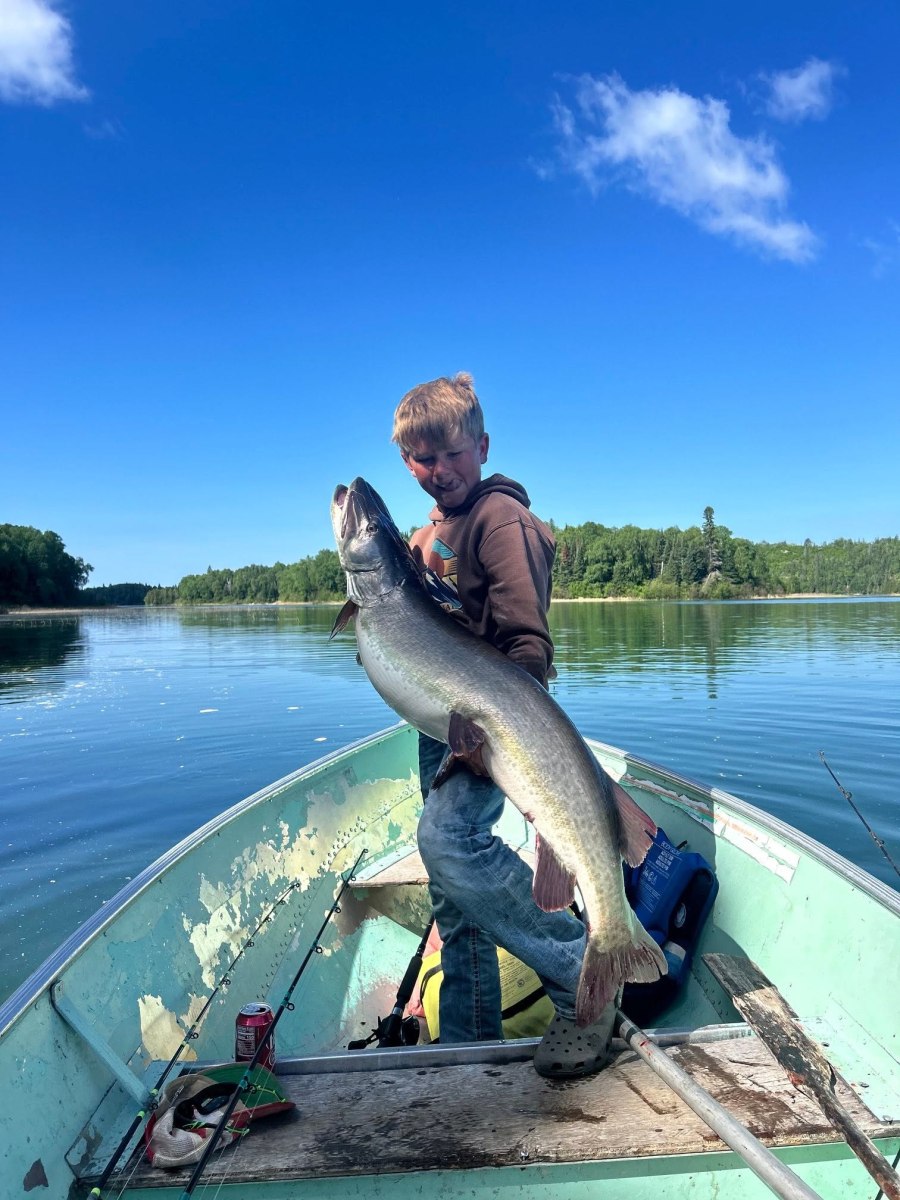

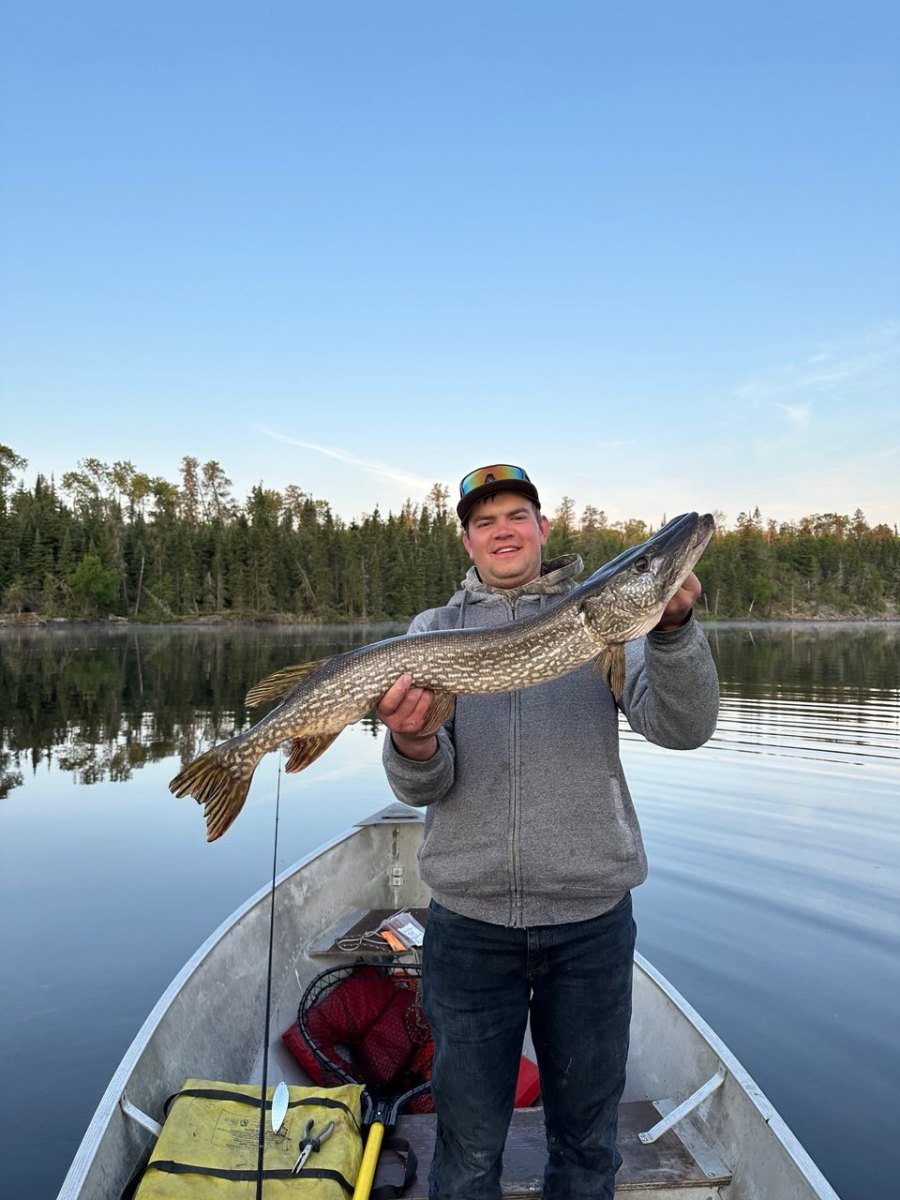
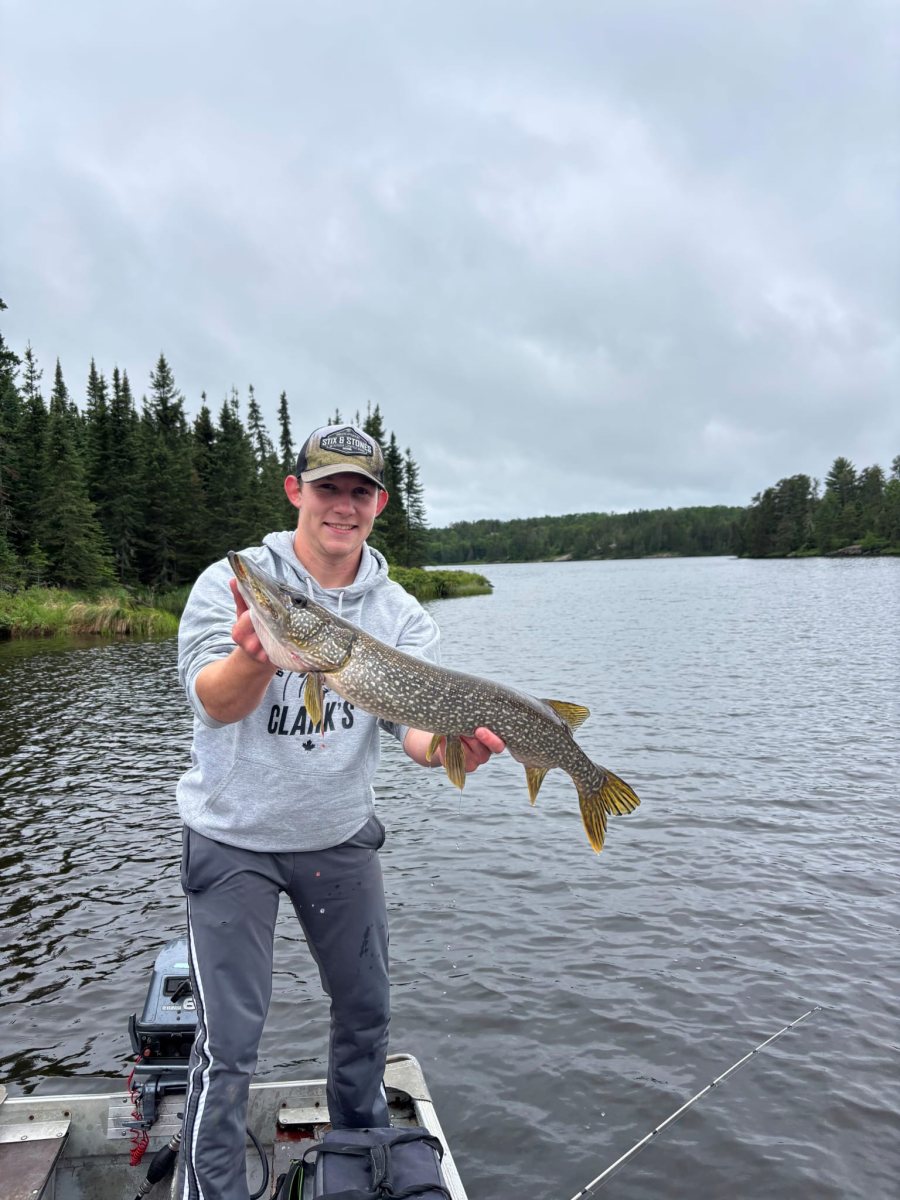
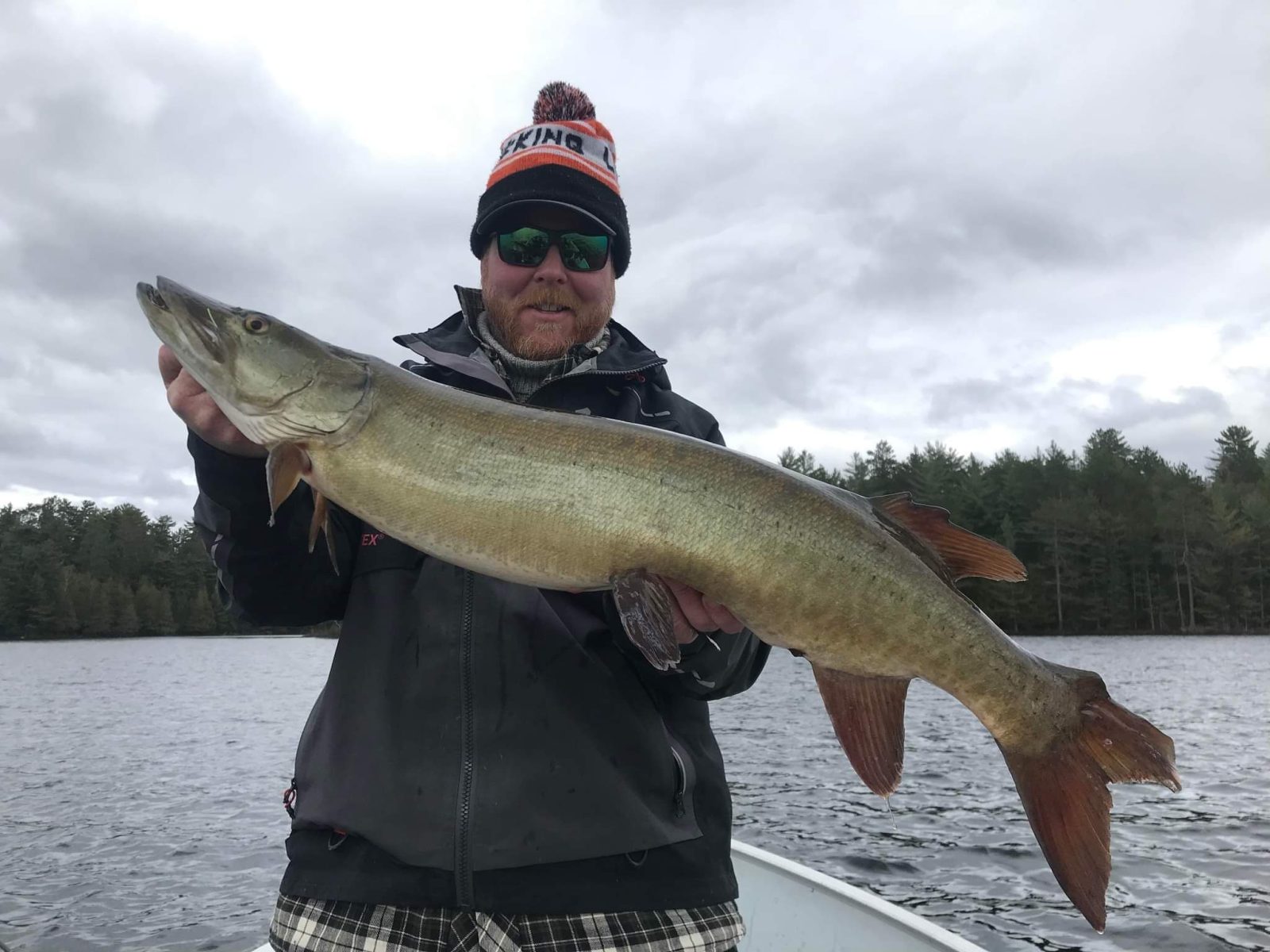
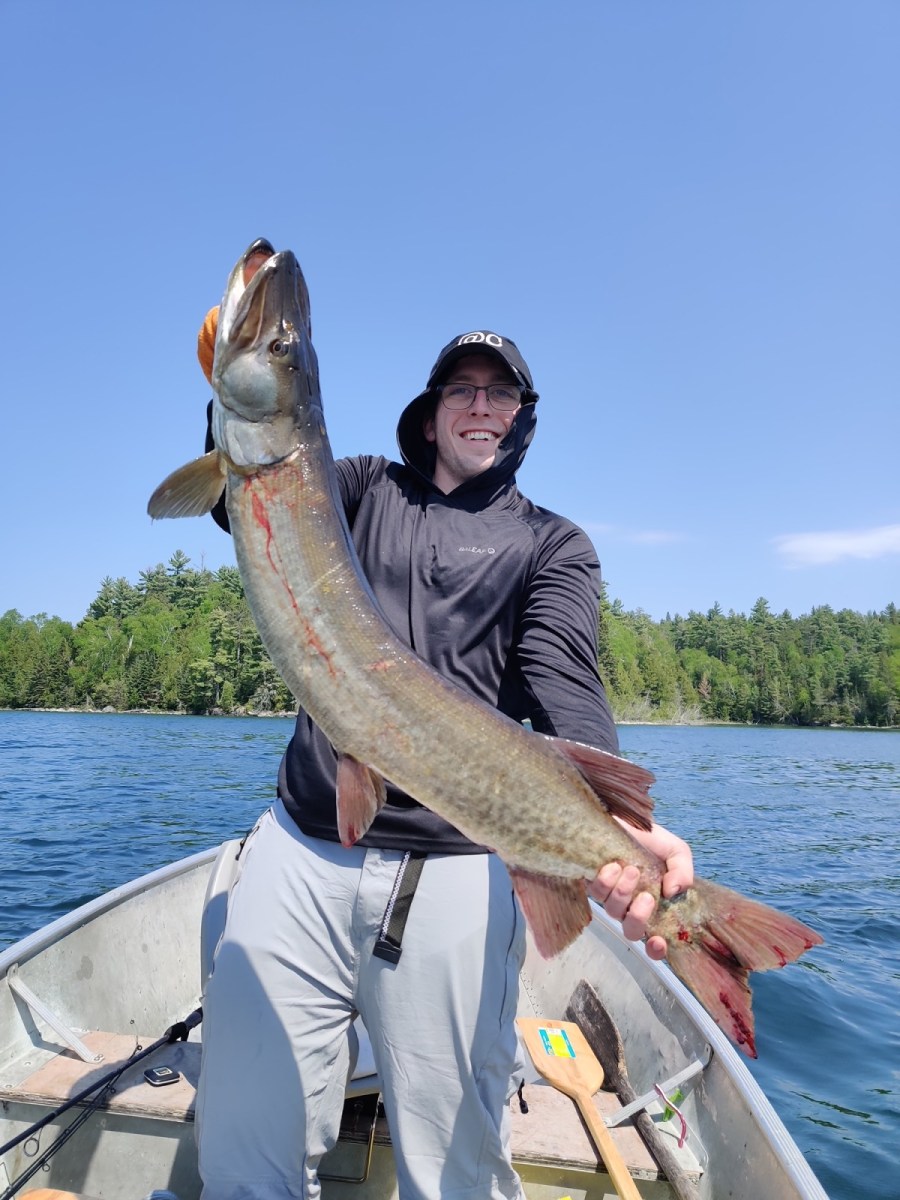
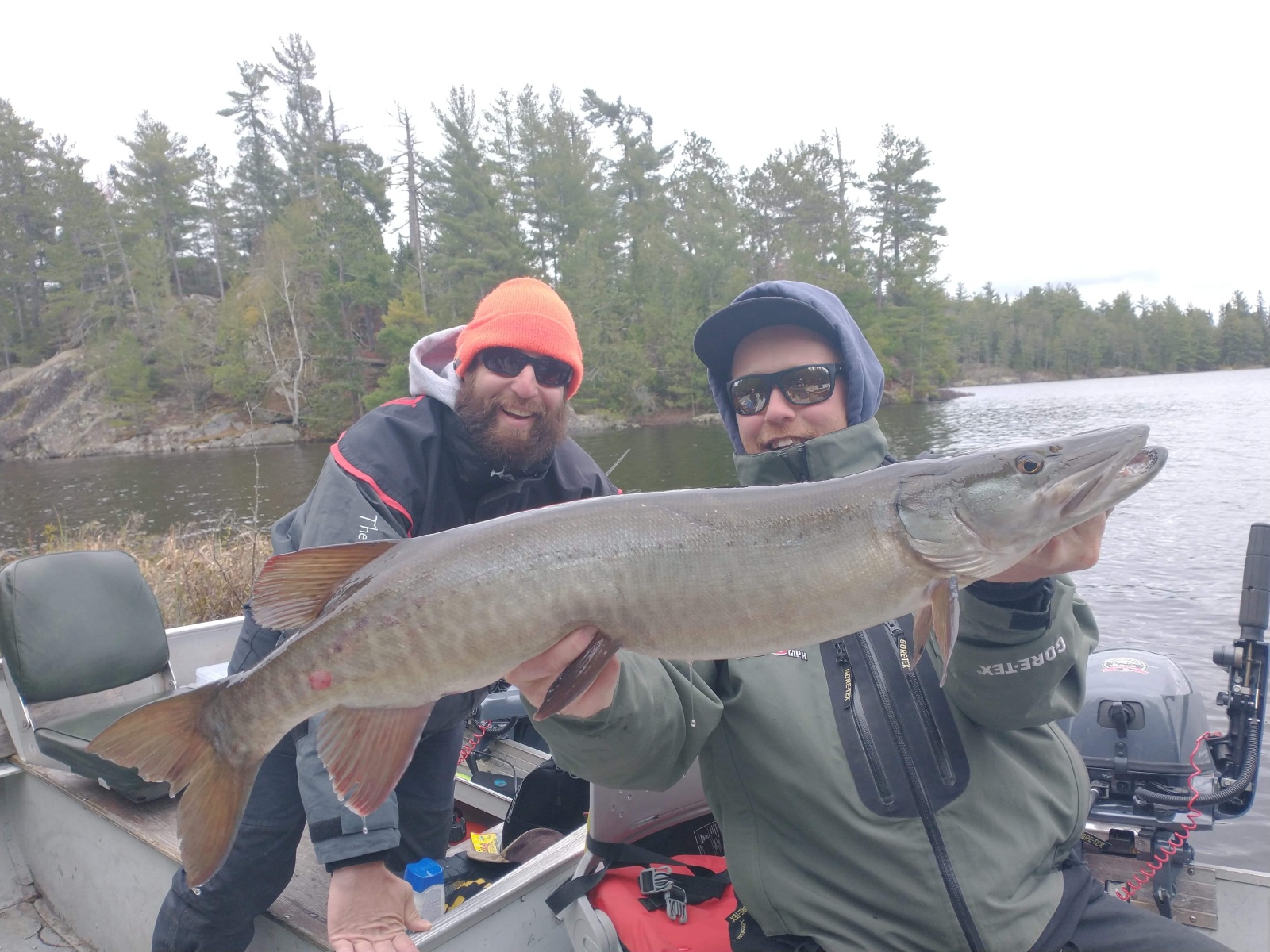
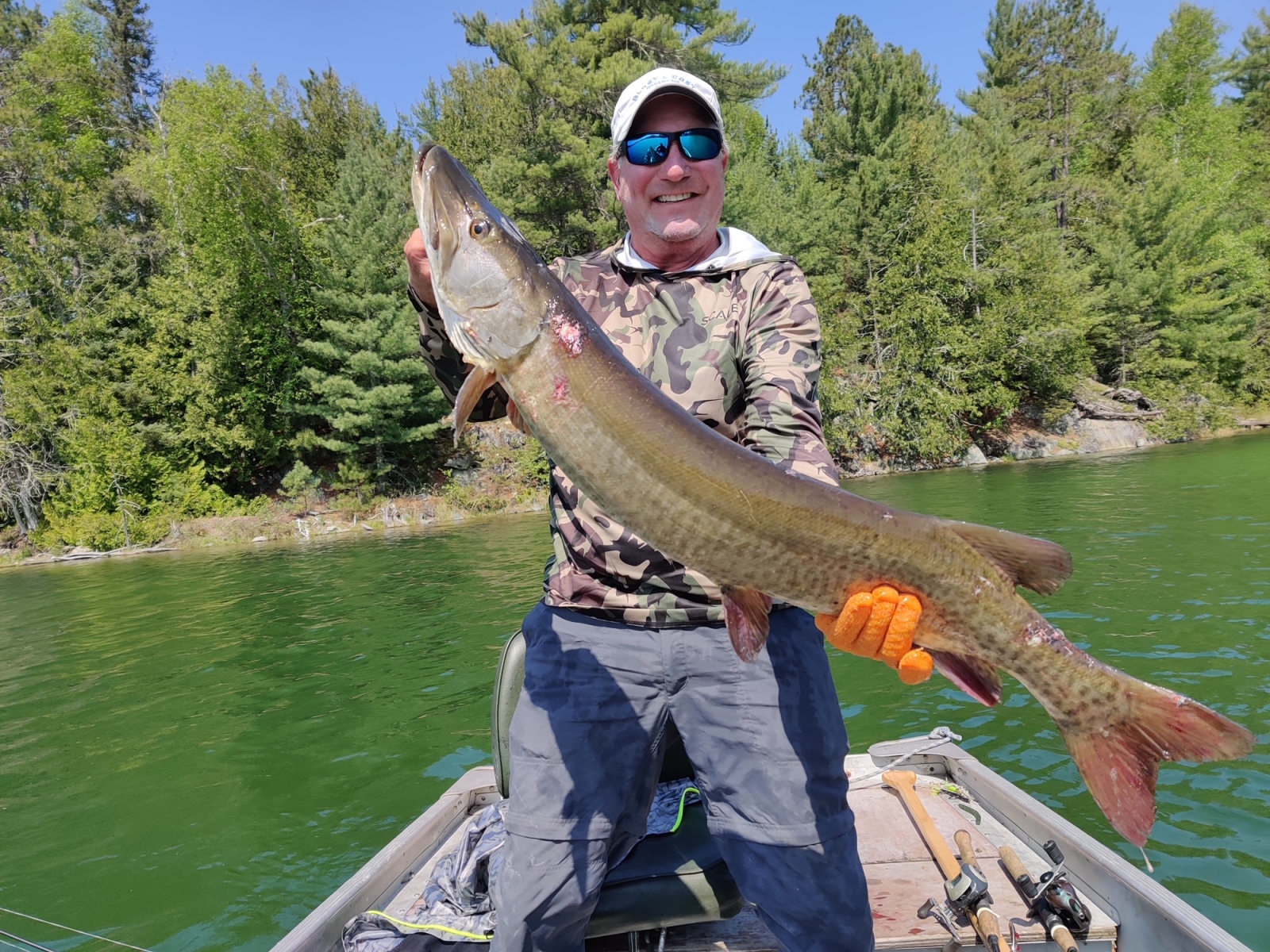
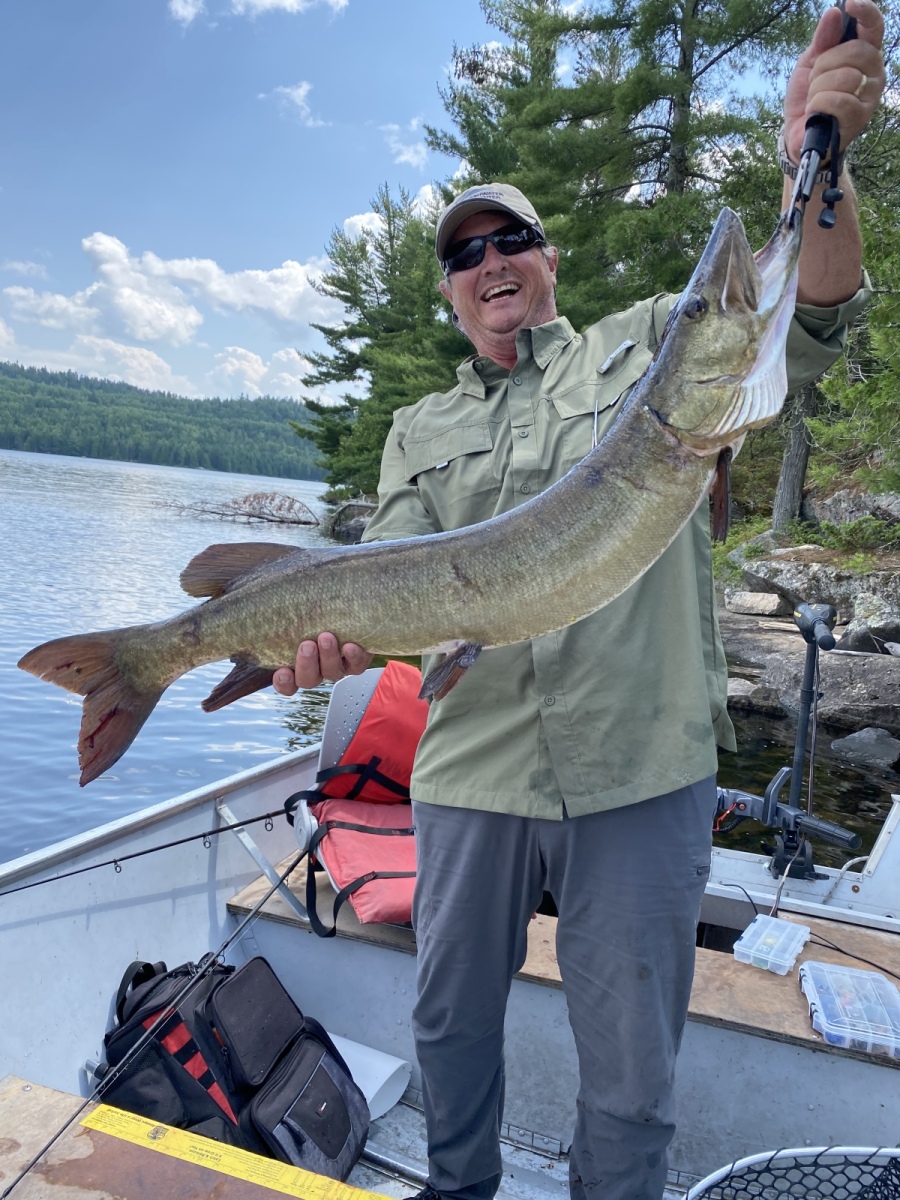
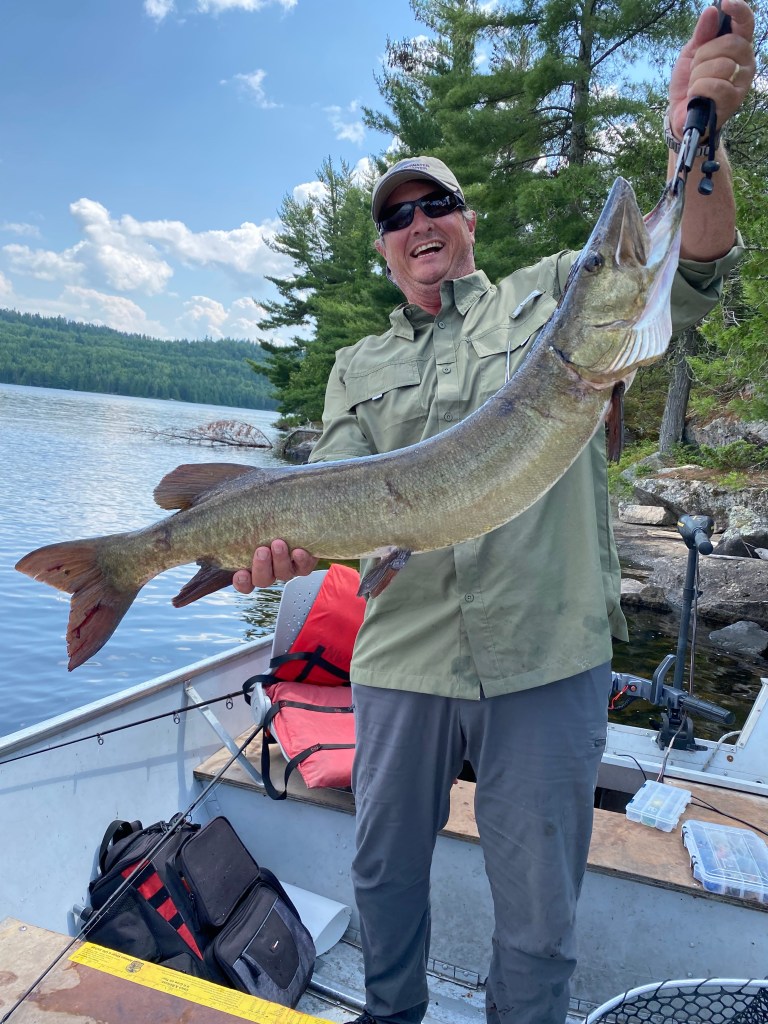
Muskie fishing is a mental game, but the reward—the violent strike of a massive fish—is unmatched.
The Ultimate Predator
Muskie are the undisputed apex predator. They grow larger, live longer, and demand more respect than any other fish in our waters. Landing a Muskie, particularly one measuring 50 inches or more, represents the ultimate achievement in fishing.
The Follow: Heart-Stopping Moments
Unlike other species, a Muskie bite is often preceded by the heart-stopping moment when the giant fish shadows your lure right to the boat. This is the moment when preparation, concentration, and the critical Figure-8 technique pay off.
You Get the Whole Lake to Yourself
Our commitment to single-group occupancy is vital for Muskie conservation. By limiting pressure, we ensure these slow-growing giants are protected, maintaining a healthy population of large, breeding trophy fish.

Muskie are highly territorial, favoring specific structures like rocky points, deep weed edges, and sudden drop-offs. Our lakes offer diverse habitats for these solitary hunters.
| Lake | Flight Time | Primary Focus | Other Species |
| Gordon Lake | 36 min | New Trophy Potential | Walleye, Northern Pike |
| Kishkutena Lake | 8 min | High Concentration & Access | Bass, Lake Trout |
| Loonhaunt Lake | 19 min | Sprawling System | Walleye, Pike, Bass, Trout |
Gordon Lake has quickly established itself as a producer of large Muskie, often found near the same deep transition areas favored by big walleye. Its complexity offers excellent cover for these ambush predators.
Located just minutes from our base, Kishkutena Lake has a long history of Muskie sightings and hook-ups. Its size and structure make it an excellent choice for anglers focused on casting and covering water.
As a multi-species lake, Loonhaunt Lake provides diverse water bodies—from shallow, weedy areas to deep structure—giving you endless territory to cast and hunt all week long.
Muskie fishing requires highly specialized gear and a dedication to executing a few key techniques perfectly.
Casting Heavy Gear
Forget light tackle. Muskie demand heavy-duty equipment to cast huge lures all day and handle the ensuing fight.

The majority of Muskie strikes occur at the boat. The Figure-8—a wide, sweeping motion of the lure at the end of the retrieve—is absolutely essential. If a Muskie follows your bait, this is your last chance to trigger the strike.
Execution is Key: Learn how to properly perform the Figure-8 technique to convert a follow into a hook-up.
Understanding the Figure-8: How to Seal the Deal on a Follow
Alternative Strategies
While casting is the norm, trolling large plugs can be an effective way to cover large, open areas and locate deep-water Muskie during the summer months.
Muskie survival rates after release depend entirely on the angler’s preparation and speed. We require all anglers to adhere to the strictest catch-and-release practices for Muskie.
Essential Release Tools
You must have the proper tools before you ever hook a fish. These are not optional:
Photography and Release
Keep the fish in the net and in the water as much as possible. Minimize time out of the water for photos.
Safety and Stewardship: Learn the best practices for handling, releasing, and photographing these magnificent fish without harming them.
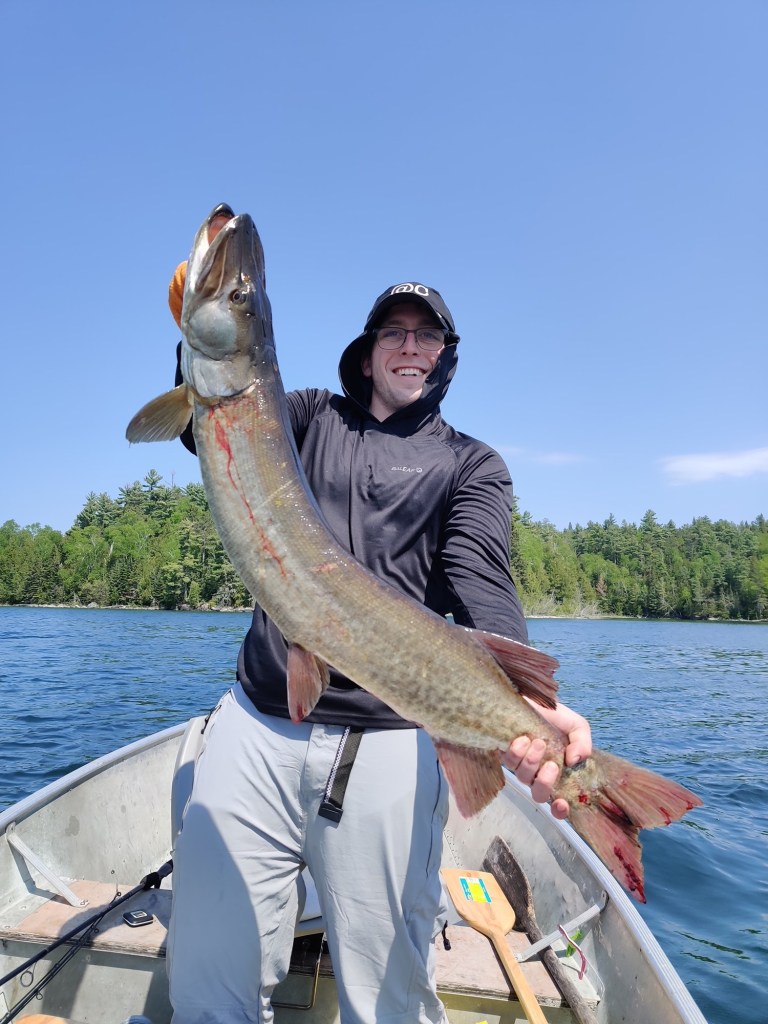
Muskie Fishing FAQ: Essential Gear and Proper Release Techniques
Most serious muskie anglers I talk to are planning their trips for two windows: mid-summer and fall. Once the Ontario muskie season opens on the third Saturday in June, you'll see some guys head up right away, and that early-season bite can be productive as muskies are transitioning out of post-spawn and starting to feed along weed edges and rocky points. But the real trophy hunters? They're booking September and early October.
That's when the water starts cooling, the lake turnover happens, and those big females are feeding aggressively to build up fat reserves for winter. On our lakes — Gordon, Loonhaunt, and Kishkutena all hold muskies — fall trips have been our fastest-growing booking months. The bugs are gone, the boreal forest lights up with fall color, and the fish are in full-on feed mode.
Summer is great too, especially July and August, when muskies stack up along deep weed lines, break lines, and structure edges. You'll work early mornings and evenings for the best action. But if your group's goal is a legitimate shot at a trophy-class fish, fall is the window experienced muskie anglers target.
So let me ask you — is your group leaning toward a summer trip where you can mix muskie in with other species, or are you committed enough to the muskie game that a dedicated fall trip makes more sense for what you're trying to accomplish?
Last reviewed: 2026-03-15That's one of the best things about our system — you don't have to choose between muskie and consistent action on other species. Loonhaunt Lake is our most popular lake for exactly this reason. It holds walleye, northern pike, smallmouth bass, lake trout, and muskie all in the same water.
It's a big, sprawling system with tons of structure, so your group can spend the morning jigging walleye on rocky points, switch to casting for pike in the shallows after lunch, and then dedicate the evening to working muskie spots along deep weed edges and break lines. Gordon Lake is another strong multi-species option. It's our trophy walleye lake — 36 minutes out by floatplane — and it also holds pike and muskie.
The fishing is a bit more technical, so I recommend it for groups with some experience. Kishkutena is your third option. It's primarily known for bass and lake trout, but it holds muskie too, and the rocky structure is classic muskie habitat.
All three lakes give you the ability to keep rods bent on walleye and pike while dedicating time to the muskie hunt. That balance matters because muskie fishing requires patience — they call it the fish of ten thousand casts for a reason — and having walleye and pike action keeps the energy up between muskie encounters. Here's what would help me point you to the right lake — how experienced is your group with muskie specifically, and is muskie the primary goal, or more of a bonus species you'd like a shot at while targeting walleye and pike?
Last reviewed: 2026-03-15The biggest thing I hear from experienced muskie guys after their first trip up here is that they wish they'd brought heavier gear and more variety in their tackle. Northwestern Ontario muskies are wild, powerful fish that live in pristine water with abundant forage, and they fight differently than fish in heavily pressured waters down south. Bring heavy casting rods rated for big baits — 80-pound braided line minimum — and a good selection of large bucktails, glide baits, jerkbaits, and rubber.
Wire leaders are non-negotiable. The second thing guys wish they'd known is how important the figure-eight technique is up here. When a muskie follows your bait to the boat — and they will — you need to execute a smooth, wide figure-eight with your rod tip in the water.
A lot of first-timers panic on the follow and pull the bait away. That figure-eight is where a significant number of strikes happen. Third, the weather up here can change fast.
Bring layers and quality rain gear even in summer. A cold front can roll through and change conditions overnight. And finally, bring proper release tools — long-nose pliers, bolt cutters for hooks if needed, a big rubber-coated net, and know how to handle these fish safely in the water.
They're apex predators and deserve careful handling. The fish you release is the trophy someone else — or you — catches next time. So let me ask — have you done much casting with heavy muskie-specific gear before, or would this be your group's first time committing to that style of fishing?
Last reviewed: 2026-03-15We provide a seamless and reliable logistics operation so you can concentrate all your energy on the next cast.
Short Flights, Maximum Casting Time
Our strategic location means the flight to even our furthest Muskie lake is only 36 minutes. This maximizes your fishing hours on the water—a crucial factor when hunting the “fish of 10,000 casts.”
Comfortable, Modern Outpost Cabins
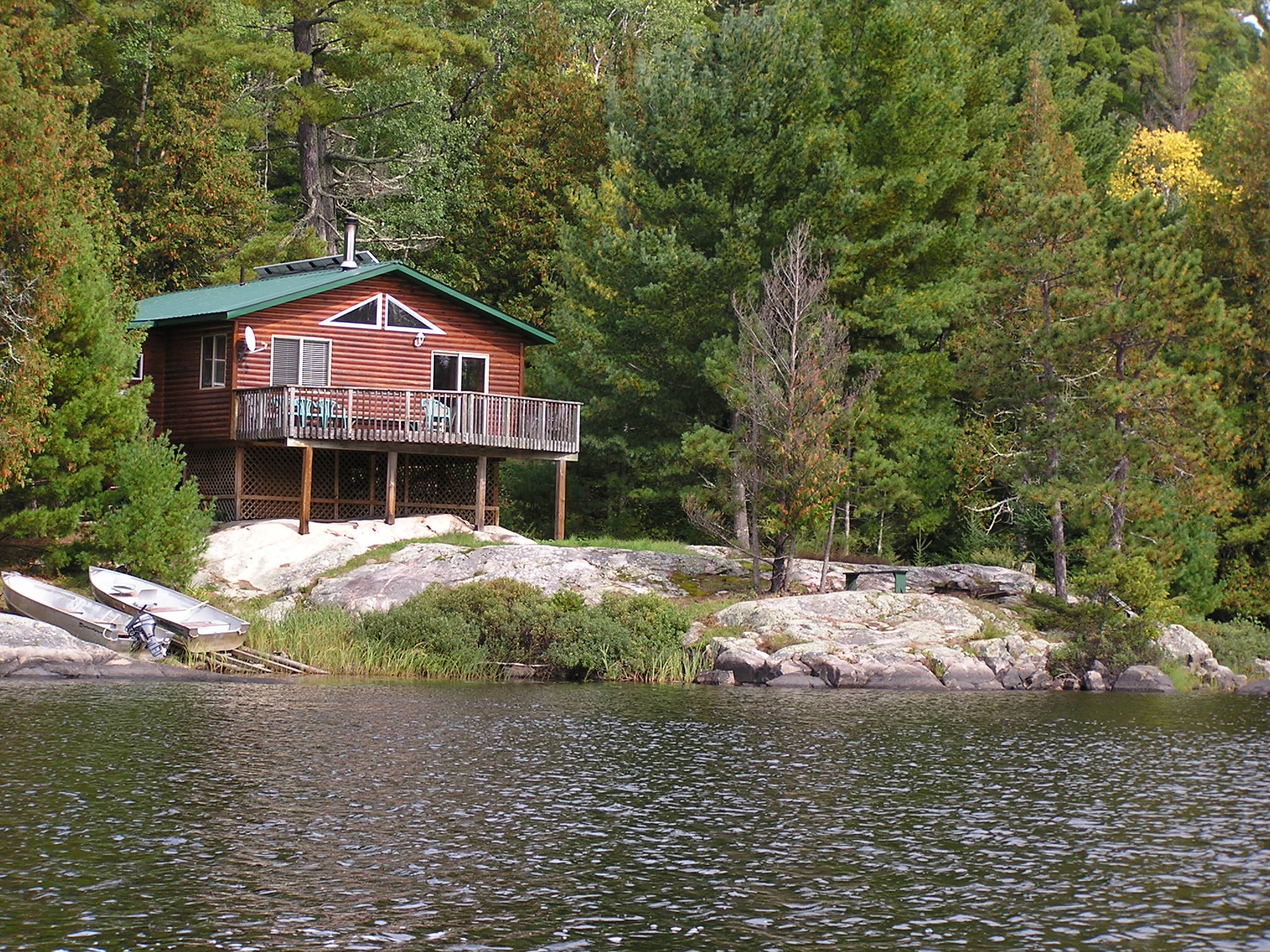
Every fully equipped outpost cabin includes running hot and cold water, full kitchen amenities, and solar-powered lighting. You’ll have everything you need to recharge for the next day’s grind.
Ready to Plan Your Trip?
For full details on our Rates, Cabin Amenities, What to Bring (Gear Weight Limits), and Booking Process.
If you are prepared for the dedication required to land the ultimate freshwater trophy, a fly-in trip with Northwest Flying offers one of the best opportunities available in North America.
Call us today to secure your preferred dates for 2026 or 2027 and begin your Muskie journey:
The dedication starts now.

A season of guest photos and stories from our fly-in lakes near Nestor Falls —…
She was sixteen. No cell phone. Her dad on one side of the cabin, her…
What would make someone return to the exact same remote fishing lake… for over 40…
You must be logged in to post a comment.