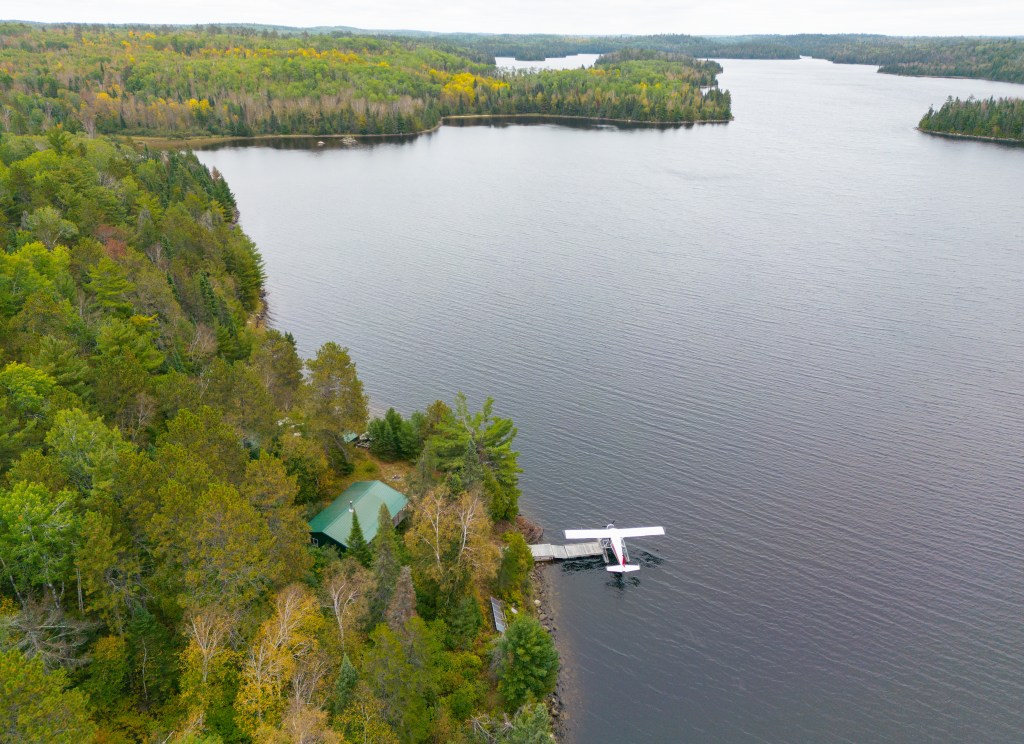

Every walleye angler wants to know the same thing: when is the best time to go?
The answer is that walleye are catchable from the moment ice clears through the last week of October. But where you find them and how you catch them changes dramatically across the season.
After more than sixty years of flying groups into remote lakes near Nestor Falls, Ontario, we have watched these patterns repeat themselves with remarkable consistency. Here is what actually happens on the water, season by season.
Ice-Out Through Late May: Shallow Water, Aggressive Fish
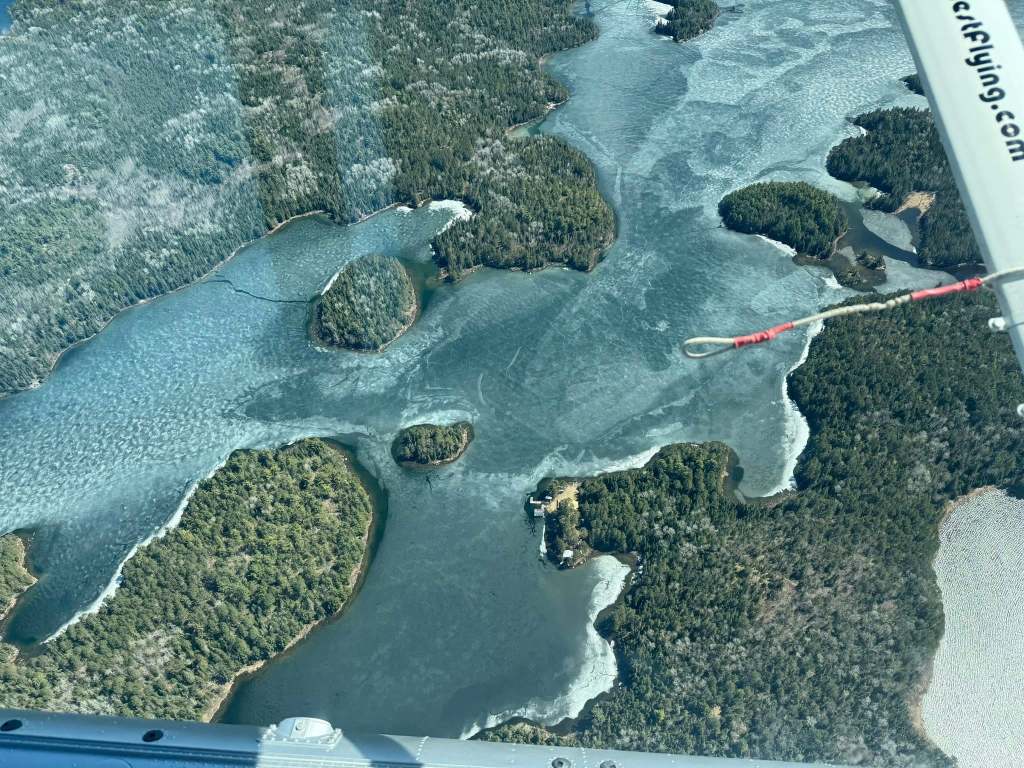
When the ice comes off Northwestern Ontario lakes in mid to late May, walleye are hungry and they are shallow. Surface water temperatures sit between 40 and 50 degrees Fahrenheit, and walleye stack up on rocky points, windblown shorelines, and the mouths of bays where the water warms first.
This is the highest catch-rate period of the entire year.
Groups fishing opening week on lakes like Gordon Lake and Cleftrock Lake routinely report 50 to 100 walleye per boat per day. The fish are aggressive, they are accessible in 4 to 12 feet of water, and they are not picky about presentation.
Jigs tipped with minnows are the classic choice, but simple spinners and small crankbaits dragged along rocky structure produce just as well.
This is the time of year when beginners catch fish alongside veterans, which makes it ideal for family trips and mixed-experience groups.


What is the best month to catch walleye on a fly-in trip in Ontario?
Late May and June produce the highest catch rates on remote fly-in lakes in Northwestern Ontario. Walleye are shallow, aggressive, and feeding heavily after ice-out. However, September and October produce the largest individual fish as walleye feed aggressively before winter.
June Through Mid-July: Transition to Structure
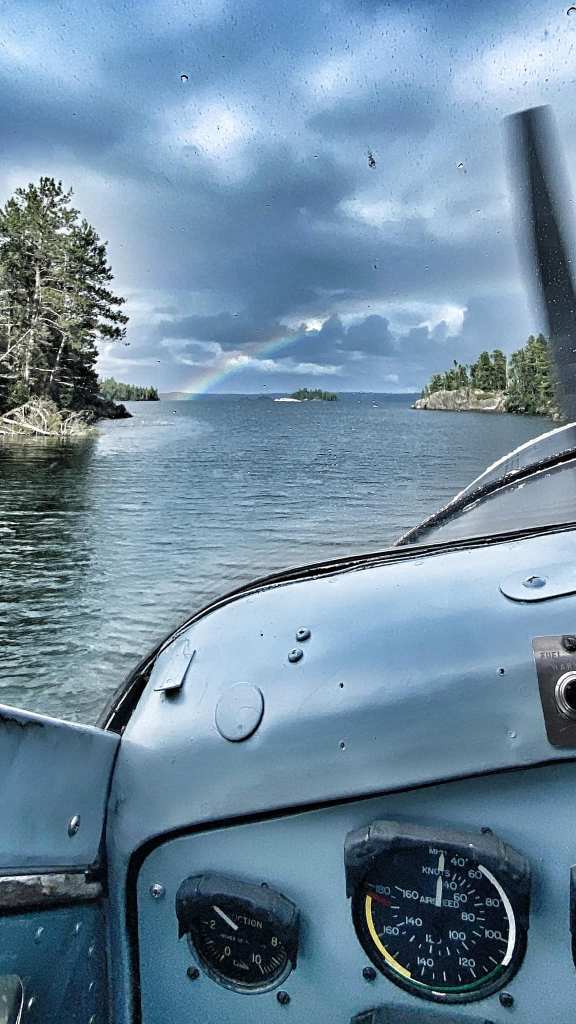
As surface temperatures climb past 60 degrees, walleye begin sliding off the shallow flats and relating to deeper structure. Main lake points, underwater humps, and the edges of weed lines become the primary holding areas.
This is where a good depth finder and some patience pay off.
The walleye photo gallery shows that fish are still feeding actively, but they are positioned in 12 to 25 feet of water rather than right against shore. Jigging with leeches or nightcrawlers is effective, and slow trolling crankbaits along contour breaks is a consistent producer.
On lakes like Ajax Lake, which has depths reaching 90 feet, this transition period opens up the deeper walleye fishery that defines the mid-summer experience. Groups willing to put in time on the structure find excellent fish.


Late July Through August: Deep Summer Patterns
Mid-summer is when many anglers think walleye shut down.
☛ That is not accurate.
What happens is that the fish move to the deepest holding structure they have available and their feeding windows become more concentrated around dawn and dusk.
Groups that fish hard in the early morning and late evening during July and August catch walleye consistently. The middle of the day is better spent targeting northern pike in the shallows or smallmouth bass on rocky structure, then switching back to walleye as the sun drops.
This is one of the real advantages of a fly-in trip with multiple species available.
You are never stuck waiting for a single species to turn on.


September Through October: Trophy Season
Fall is when the biggest walleye of the year are caught. Water temperatures drop, walleye move shallower again, and they feed aggressively to build reserves for winter. Fish that weighed five pounds in June now weigh seven or eight.
September and October on a remote lake are a completely different experience.
The bugs are gone, the fall colors are extraordinary, and the lakes are silent.
Groups that book September trips report some of the best fishing of their lives, with the added benefit of zero competition on the water.


Is fall fishing on a fly-in lake worth the trip?
Fall fishing on a remote fly-in lake in Northwestern Ontario is consistently rated as the best experience of the season by returning guests.
Trophy walleye are most accessible in September and October, bugs are completely gone, fall colors peak in mid-September, and you have the entire lake to yourself.
Planning Your Timing
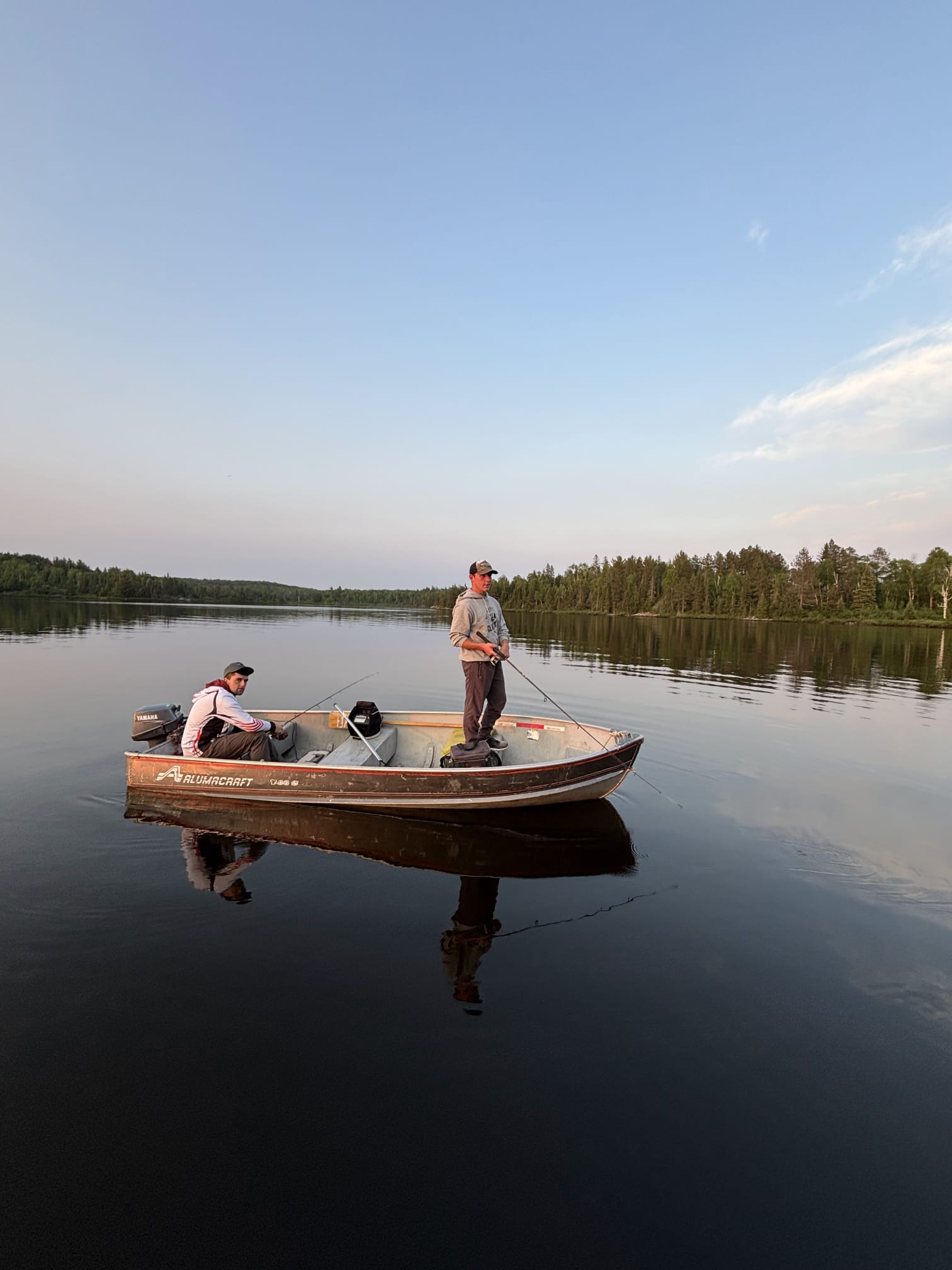
The right week depends on what you want from the trip.
➝ Opening season delivers numbers.
➝ Mid-summer delivers variety across species.
➝ Fall delivers trophies and solitude.
Have you thought about what matters most to your group? If this is a first-time fly-in trip and you want guaranteed action, late May is hard to beat. If your group has experienced anglers chasing personal bests, September is the answer. And if you want a little of everything, June offers the sweet spot where walleye are still accessible and the weather is warm enough for the full outdoor experience.
We have been helping groups pick the right week for over sixty years.
Check our outpost cabin availability or call me, Shane, at (800) 461-2126 and tell me about your group. I will personally match you with the lake and the timing that fits what you are looking for.