We Burned The Outpost Cabin Down… They Came Back Anyway
What would make someone return to the exact same remote fishing lake… for over 40…

Experience explosive topwater strikes and aerial battles against the hardest fighting fish in the north on our exclusive fly-in lakes.
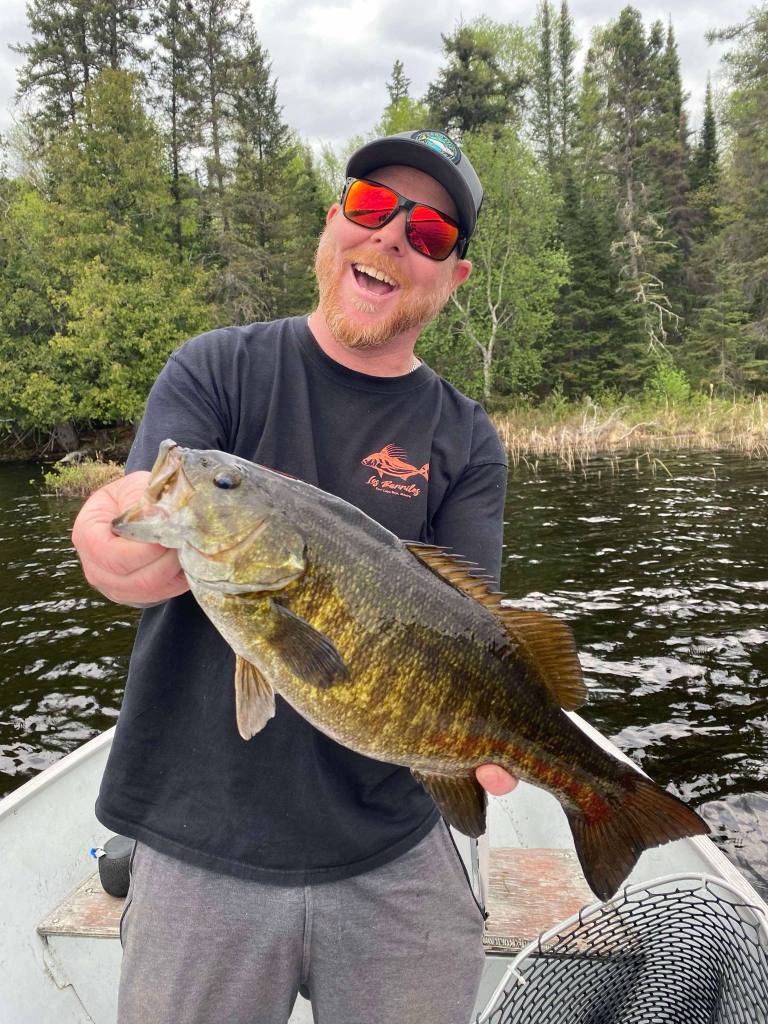
Known affectionately as the “Smallmouth Bomber,” this fish is the undisputed pound-for-pound champion of Northern Ontario waters. They are aggressive, acrobatic, and offer a thrilling experience, especially on the topwater bite.
At Northwest Flying, we fly anglers into remote outposts where Smallmouth Bass thrive in rocky, clear-water environments, completely untouched by angling pressure. Our short floatplane flights (as quick as 8 minutes) get you casting quickly on waters where a five-pound Smallmouth is a regular occurrence.
➝ If you have been a guest of Northwest Flying and would like your reviews and bass fishing pictures featured on our blog and Facebook, please email them to us at northwestflying@gmail.com
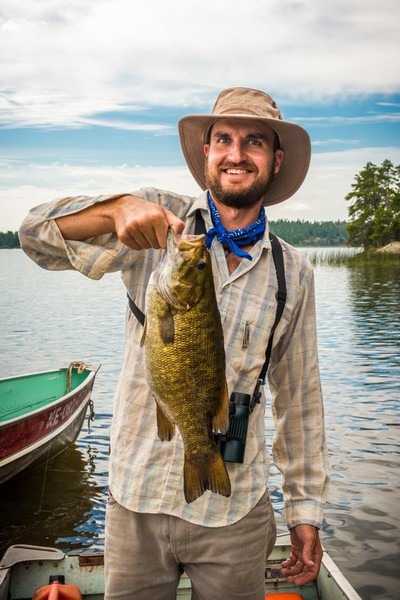
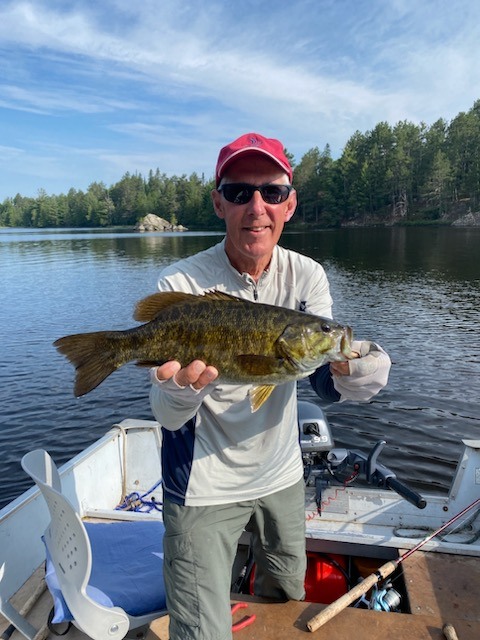

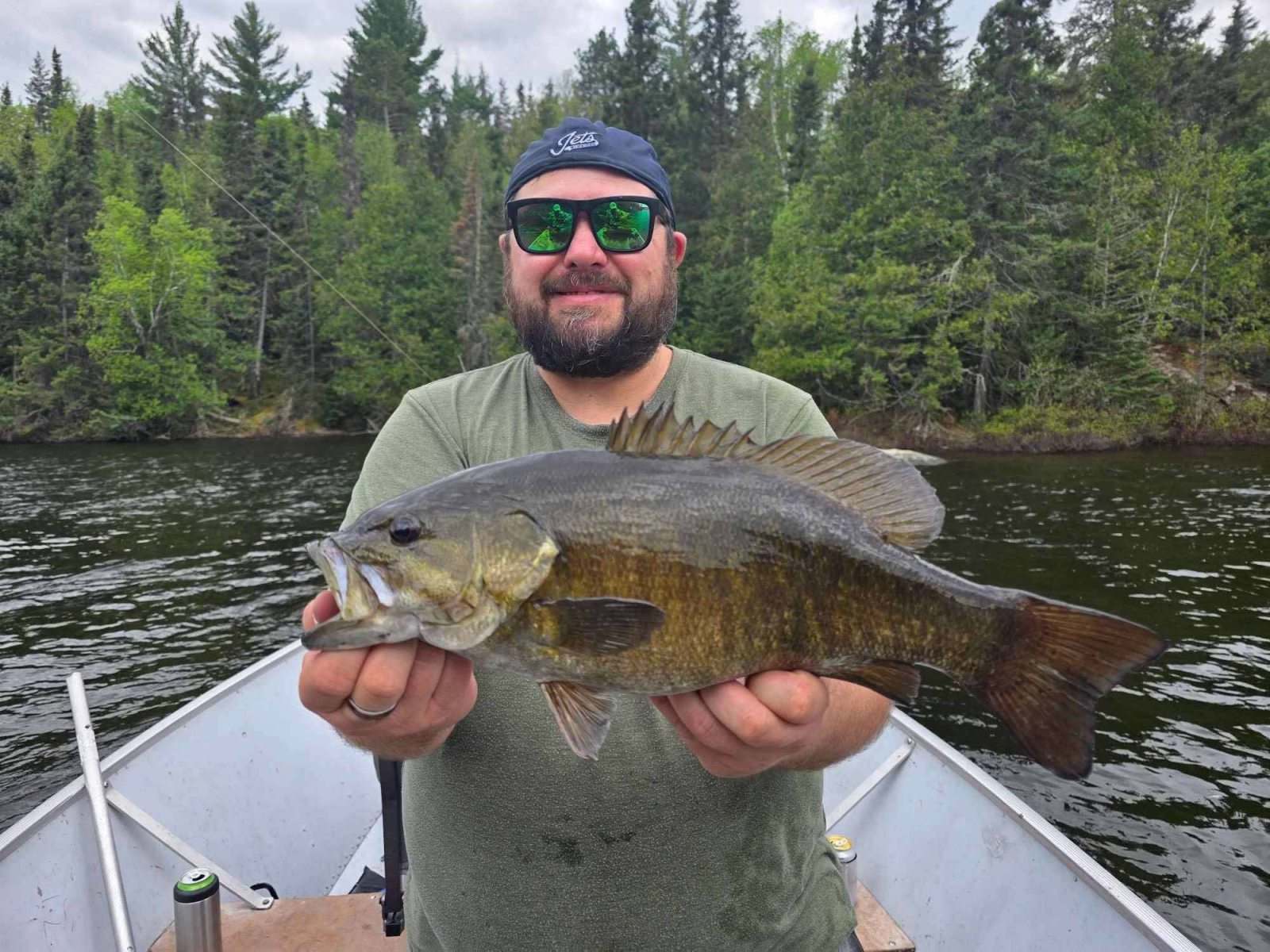


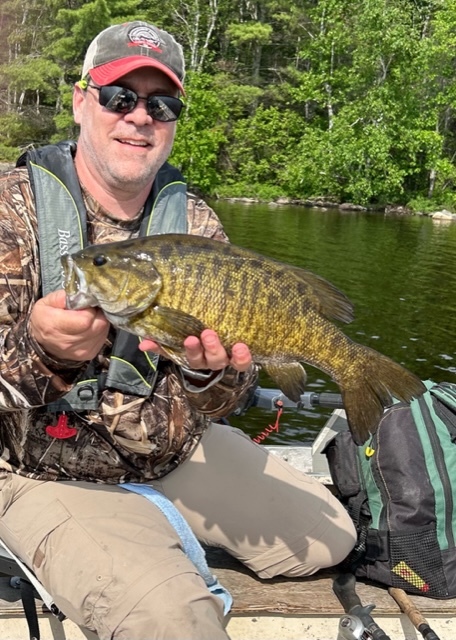


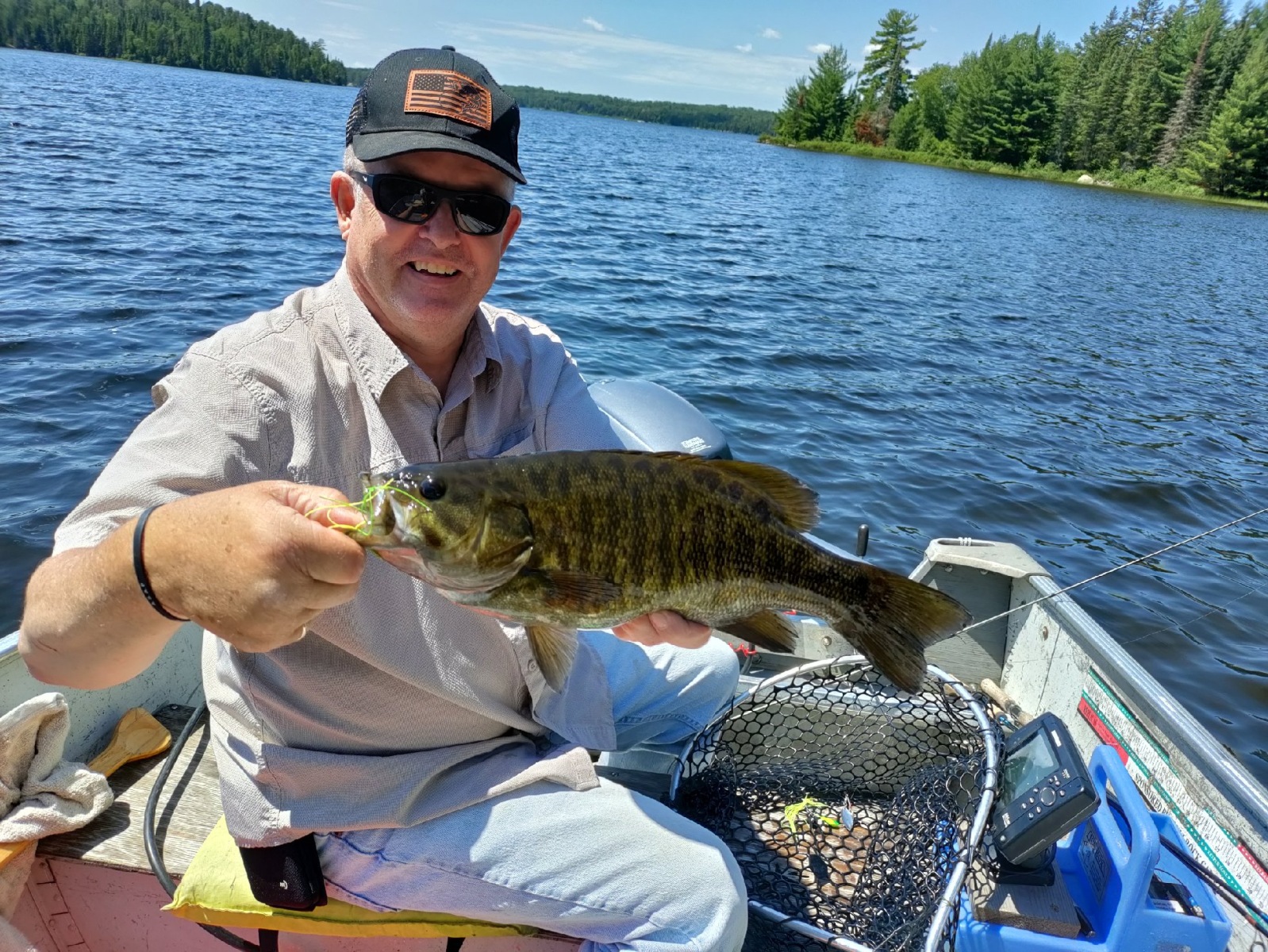
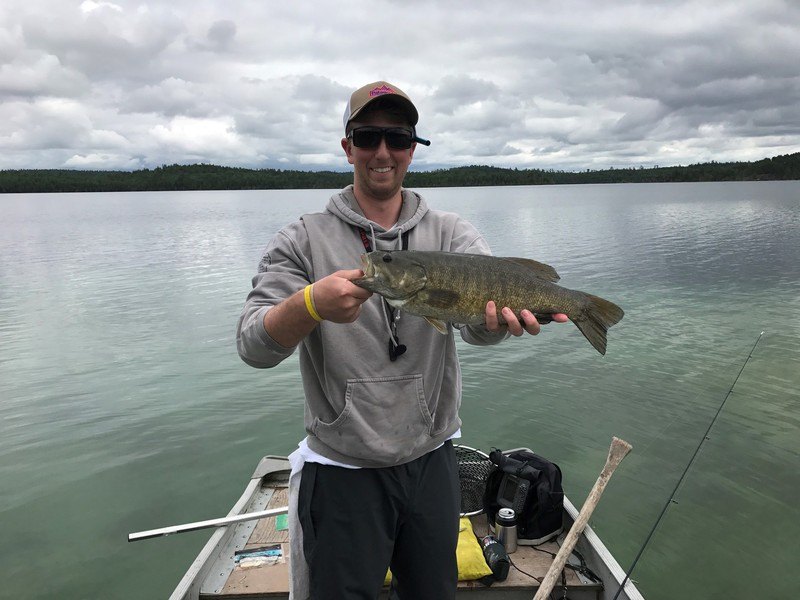

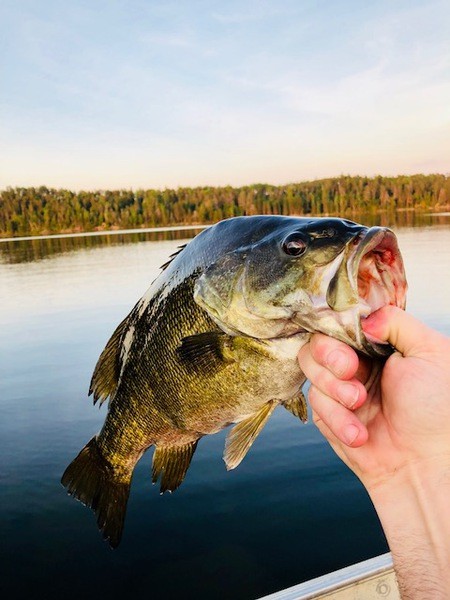
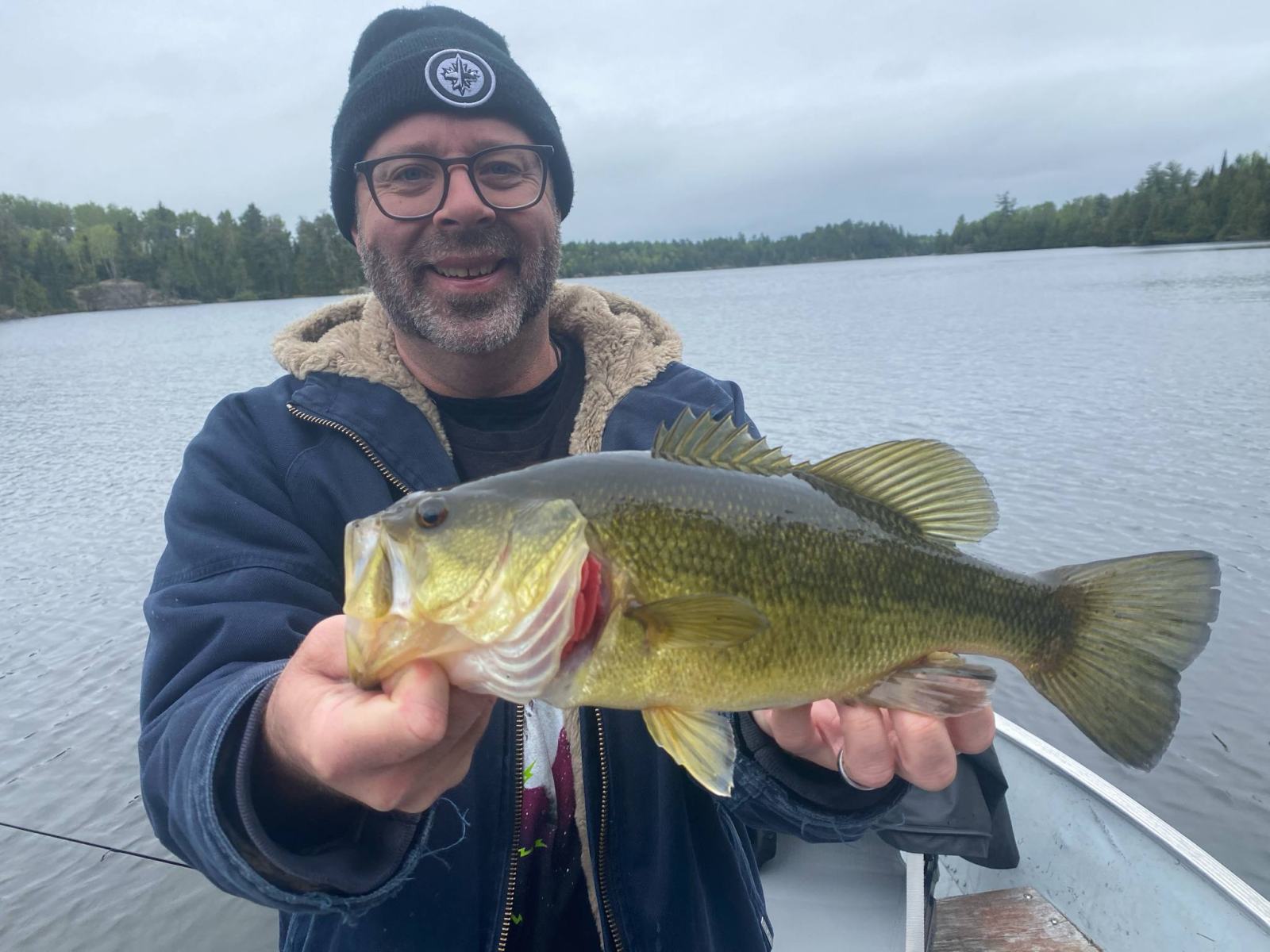


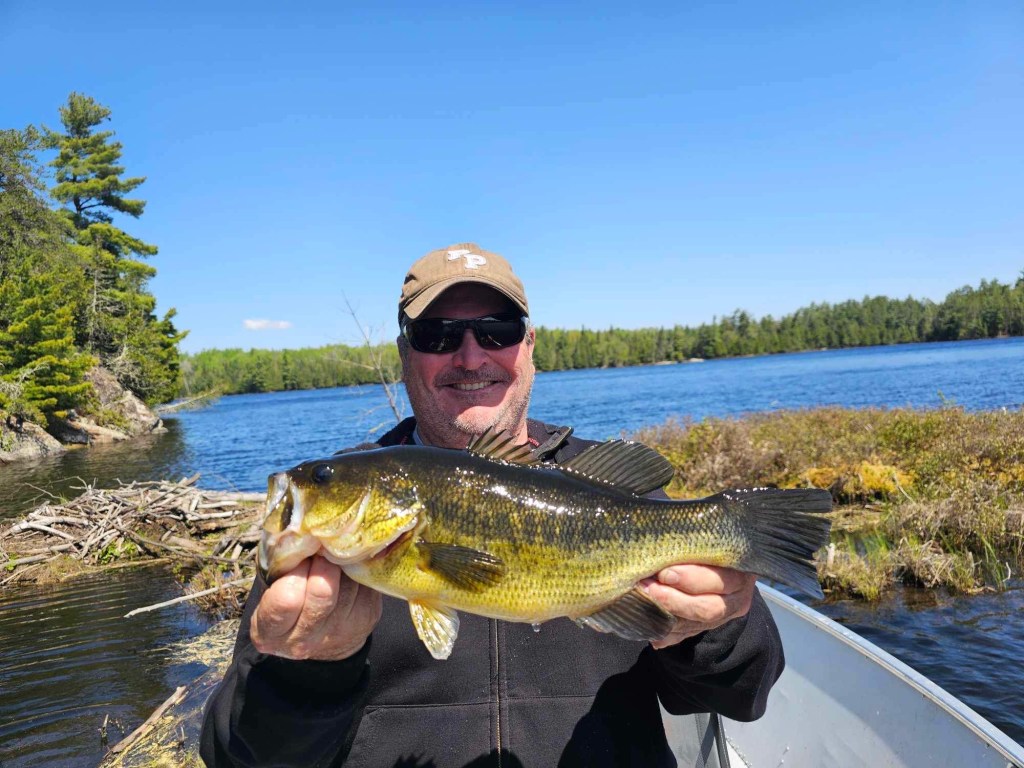
Smallmouth Bass are targeted not just for their size, but for the sheer intensity of their fight and the unique thrill of their strike.
See our Big FAQ Page
Our bass lakes tend to be clear Canadian Shield water — you can often see bottom in six to ten feet. That clarity is what makes the smallmouth fishing so good, because the habitat is rocky and visible, and bass thrive on that structure. It also means the fish can see your presentation from a distance, so natural colors, lighter line, and more finesse matter compared to stained-water fishing.
Bring tubes in green pumpkin and smoke, jerkbaits in natural baitfish patterns, and consider fluorocarbon leaders if you're throwing finesse stuff. For topwater, anything that creates a good silhouette works regardless of clarity.
See our Nestor Falls Weather and Business page for local bait shops.
Do you typically fish clear water where you're from, or is this going to be a different game than what you're used to?
Last reviewed: 2026-03-15Tubes are king on Canadian Shield smallmouth water — a 3.5- to 4-inch tube on a 1/4-ounce jig head, dragged and hopped along rocky bottom, is about as reliable as it gets. Jerkbaits work well in spring and fall when fish are shallower and more aggressive.
Dropshotting is deadly on mid-summer humps when bass are holding in 15 to 25 feet. Ned rigs produce too, especially on tough days.
And don't overlook topwater — poppers and walking baits over shallow rock are some of the most exciting fishing you'll ever experience. Pack a mix and let the fish tell you what they want each day.
How much tackle weight are you planning to bring? Remember, you've got a 100-pound-per-person limit on the floatplane, so our packing guide matters.
The Hardest Fighting Fish
When hooked, Smallmouth Bass immediately head for the surface, leaping and running with incredible speed and strength. Their relentless fight requires concentration and a quality rod and reel setup. A good day of Smallmouth fishing is often measured not just in numbers, but by tired arms and unforgettable battles.
Low Pressure Means Bold Bites
In our exclusive fly-in lakes, the bass have never seen a lure they didn’t want to attack. This lack of pressure results in bold, aggressive fish that readily hit topwater presentations, making for some of the most exciting fishing imaginable.
Trophy Potential is Excellent
While Walleye and Pike grab the headlines, the Smallmouth in our waters consistently reach impressive trophy sizes. Fish in the 4 to 6-pound class are common, with bigger fish taken every season from our clear, cool-water outposts.
Smallmouth Bass prefer specific environments characterized by rocky points, transition areas, and clearer water.
| Lake | Flight Time | Primary Focus | Other Species |
| Kishkutena Lake | 8 min | The Premier Bass Destination | Muskie, Lake Trout |
| Loonhaunt Lake | 19 min | Variety and Size | Walleye, Pike, Trout, Muskie |
| Ajax Lake | 25 min | Explorer’s Delight | Walleye, Northern Pike, Lake Trout |
At just 8 minutes from our base, Kishkutena Lake gets you on the water faster than any other lake. Its long, rocky shorelines and abundance of points and shoals create ideal habitat for big, aggressive Smallmouth Bass. It’s a favorite for anglers prioritizing fast, quality bass action.
Loonhaunt Lake‘s sprawling system features numerous rocky islands, points, and deep-water humps that hold large concentrations of Smallmouth, offering both shallow-water casting opportunities and deep-water vertical presentations.
With its five-lake interconnected system, Ajax Lake offers endless variety. Smallmouth can be found aggressively feeding near portage areas and rocky pinch points, perfect for anglers who enjoy exploring new water every day.
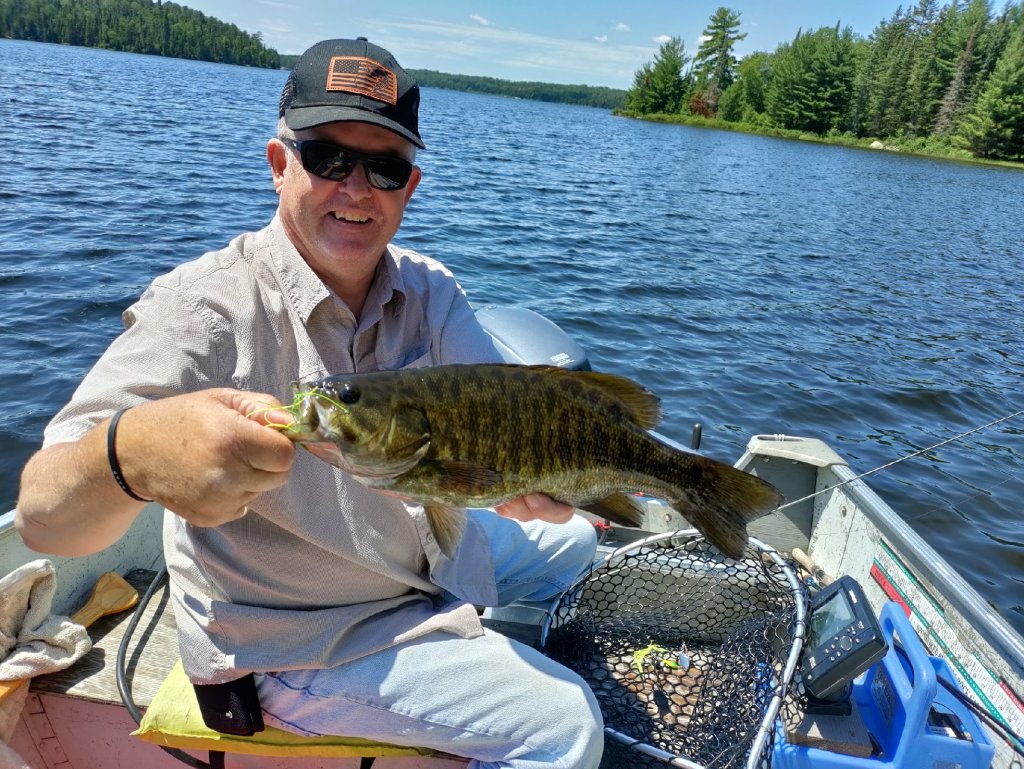
Whether you prefer the shallow flash or the deep finesse, Smallmouth Bass will keep your rod bent if you present the right baits over structure.
Topwater Mastery
The topwater bite is the cornerstone of Smallmouth Bass fishing, especially during the summer.
Subsurface and Finesse Tactics
When the sun is high or temperatures rise, Smallmouth move to deeper structure and require different baits:
Seasonal Bass Movements
Spring/Early Season: Focus on shallow, wind-protected bays and sand flats where they spawn. They are aggressive but protecting beds.
Mid-Summer: Fish move to deeper main lake points and humps. Target the rockiest structure near access to deep water.
Fall: Bass group up and feed heavily in transition areas, offering incredible pre-winter action.
While Smallmouth Bass are prolific, we encourage conservation to protect the largest trophy breeders.
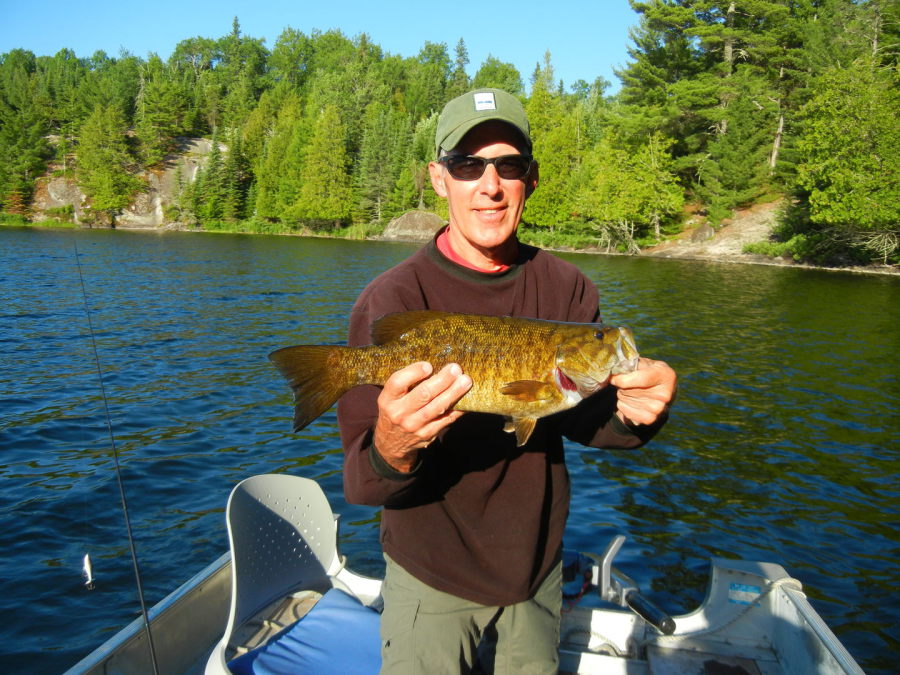
Practice Smart Catch and Release
We strongly advocate releasing all large Smallmouth (4 lbs+) to maintain the quality of the fishery. Keep a few smaller bass for a fresh meal, but let the trophies go to fight another day.
Quick Handling
Due to their hard fight, ensure the fish is quickly netted and released. Proper handling ensures minimal stress and guarantees they can continue to breed and grow.
We handle all the complex logistics so you can focus on the next cast.
Our remote outpost lakes and camping lakes are strategically located. The short flights mean you are fishing almost immediately, often enjoying a half-day of casting on your arrival day.
You’ll find all the fundamental gear waiting for you:
After a full day of fighting Smallmouth, our cabins provide the perfect place to relax. Amenities include running hot and cold water, indoor showers, full kitchen setups, and solar-powered lights.
Ready to Plan Your Trip?
For full details on our Rates, Cabin Amenities, What to Bring (Gear Weight Limits), and Booking Process.
If you want the thrill of casting for hard-fighting, aggressive Smallmouth Bass in remote, private, and pristine Canadian waters, Northwest Flying is your destination.
Call us today to secure your preferred dates for 2026 or 2027:
The smallmouth bombers are waiting for your lure.
What would make someone return to the exact same remote fishing lake… for over 40…
Every walleye angler wants to know the same thing: when is the best time to…
The twin radial engines of the Beech 18 rumble to life, sending ripples across the…