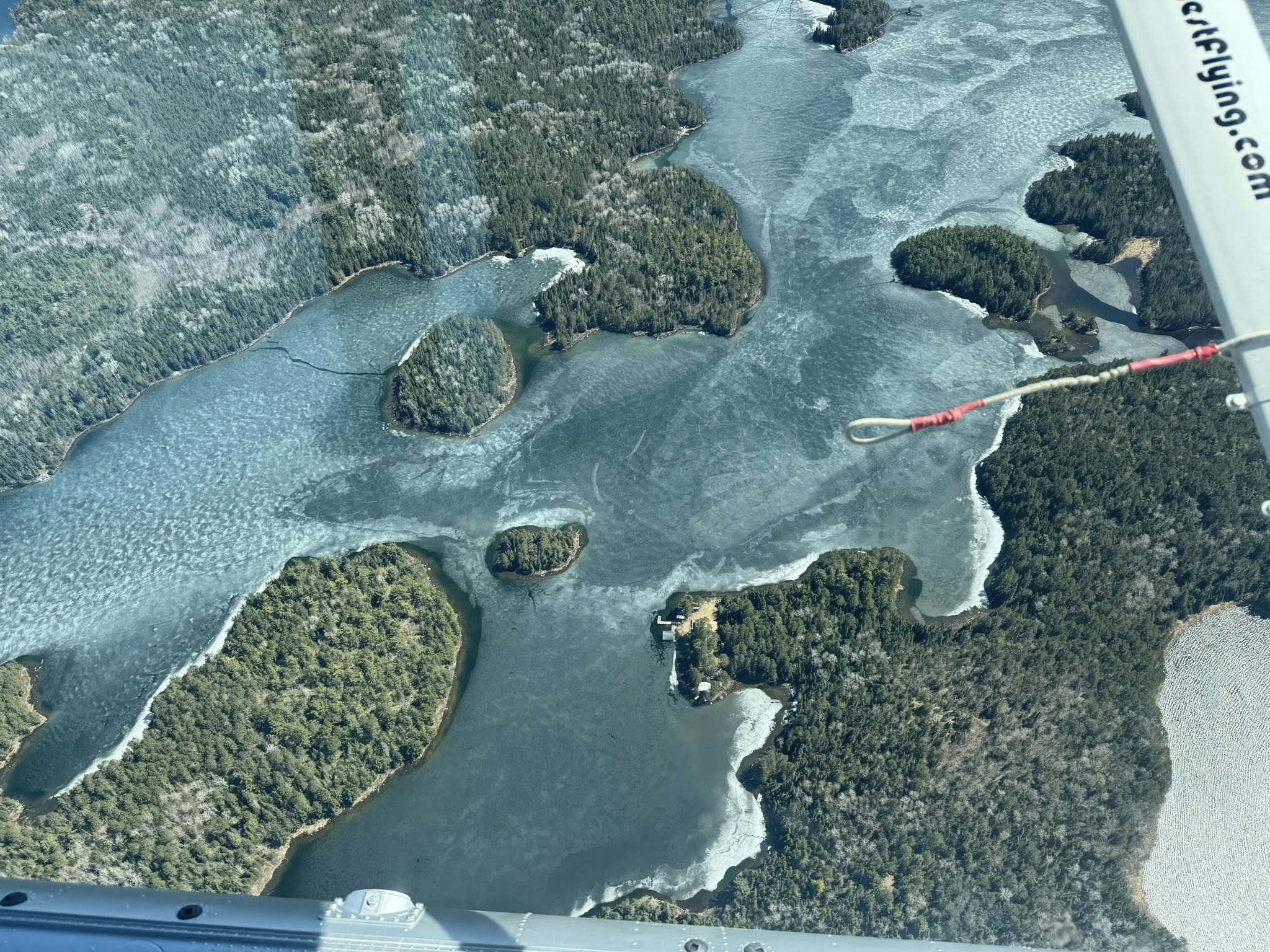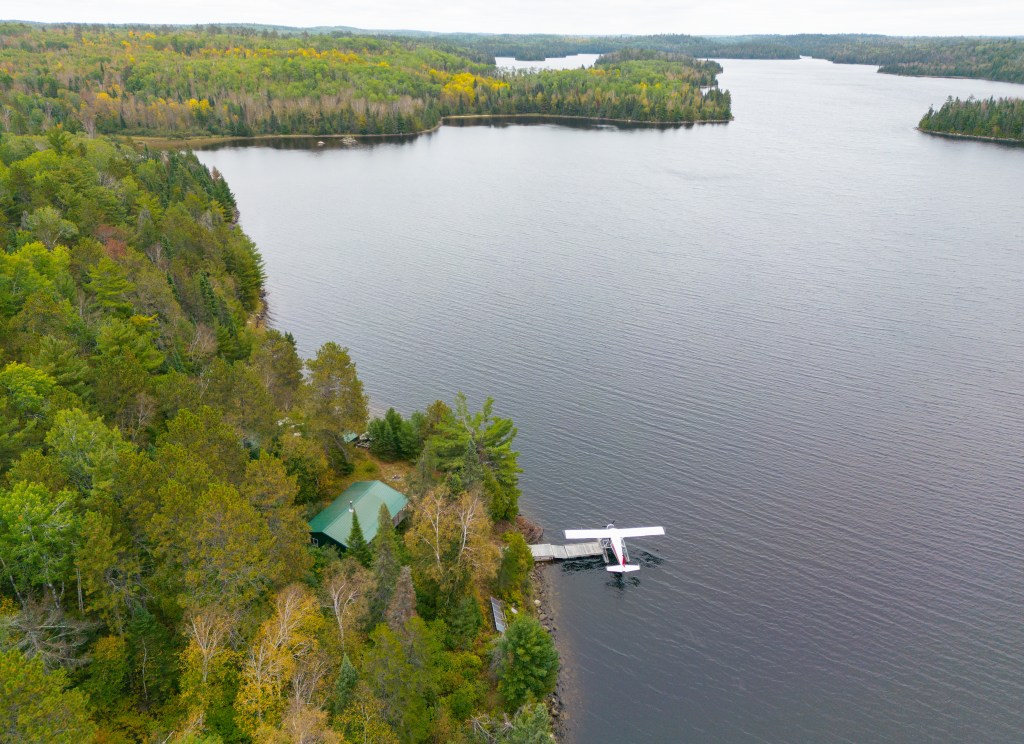


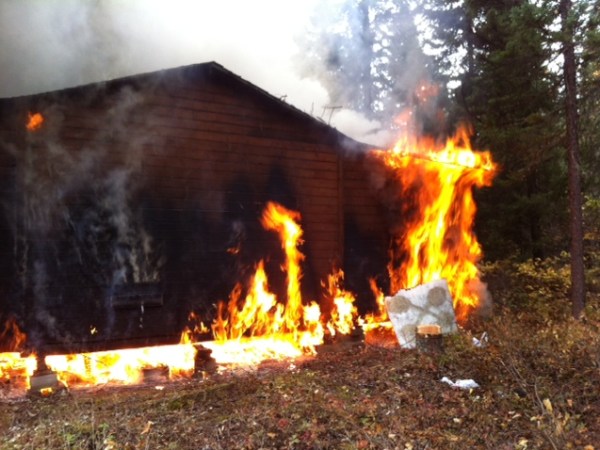
We Burned The Outpost Cabin Down… They Came Back Anyway
What would make someone return to the exact same remote fishing lake… for over 40 years? This…

Experience world-class walleye fishing where you’ll have an entire lake to yourself.
If you’ve ever dreamed of catching walleye after walleye in crystal-clear northern waters—where the only sounds are your line cutting through the water and loons calling across the lake—then a fly-in fishing trip to Northwestern Ontario is calling your name.
At Northwest Flying, we’ve been flying anglers into remote, private walleye lakes since the early 1960s. From our base in Nestor Falls, we’ll get you to pristine water in just 8 to 36 minutes by floatplane. No long portages. No crowds. Just you, your group, and some of the best walleye fishing in Canada.
➝ If you have been a guest of Northwest Flying and would like your reviews and walleye pictures featured on our blog and Facebook, please email them to us at northwestflying@gmail.com
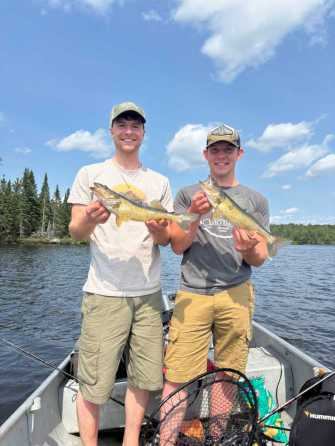
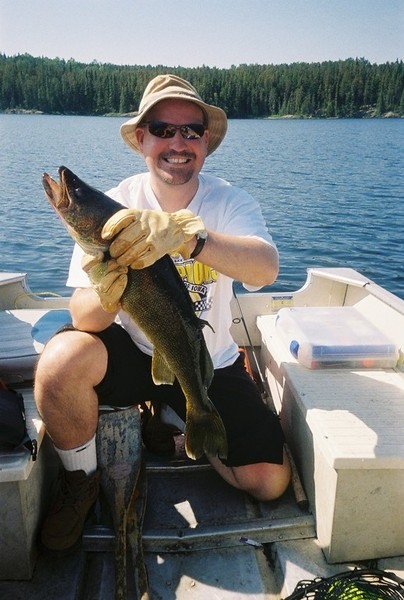
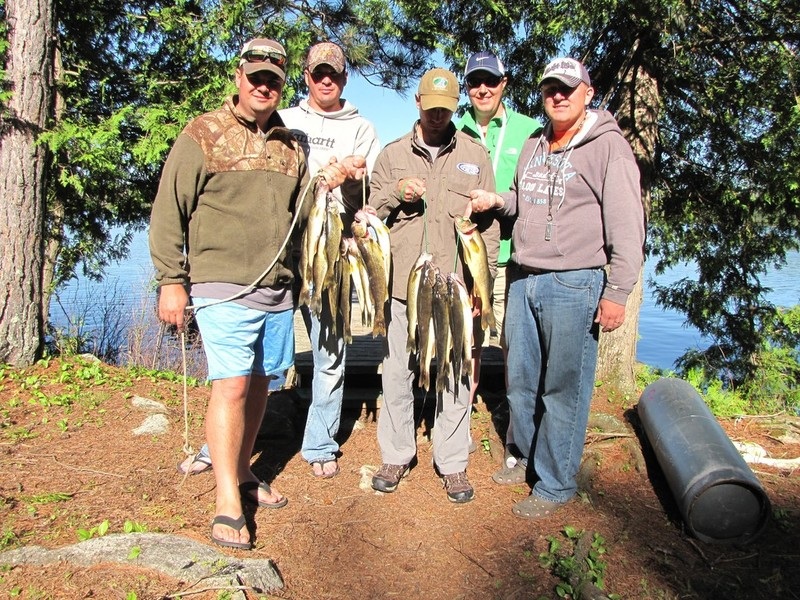
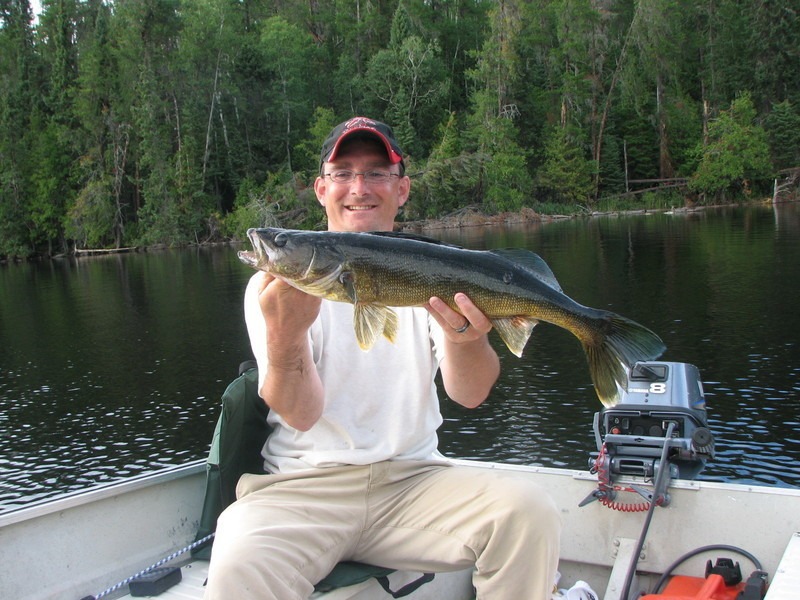
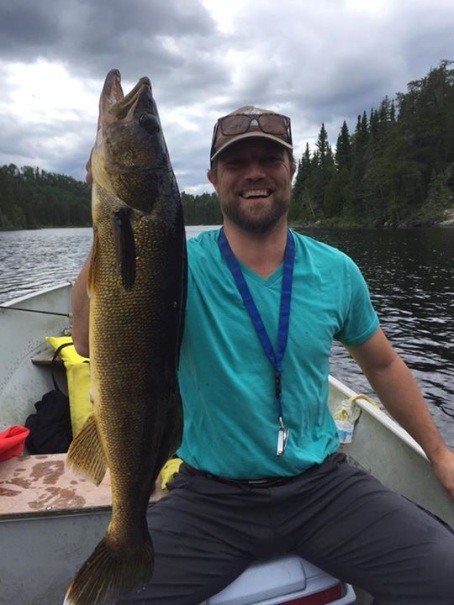
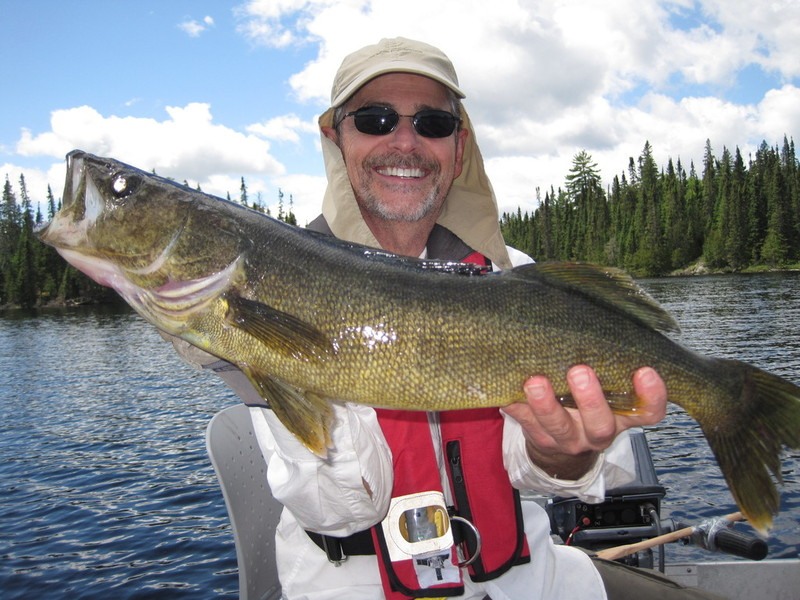
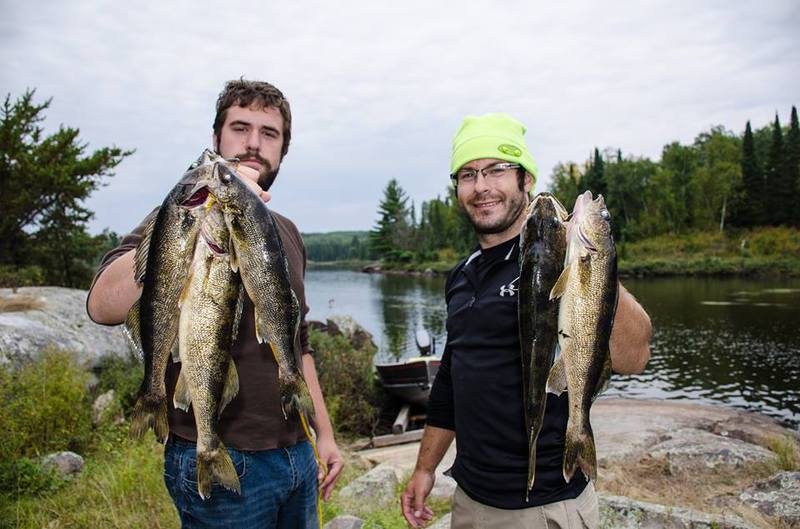
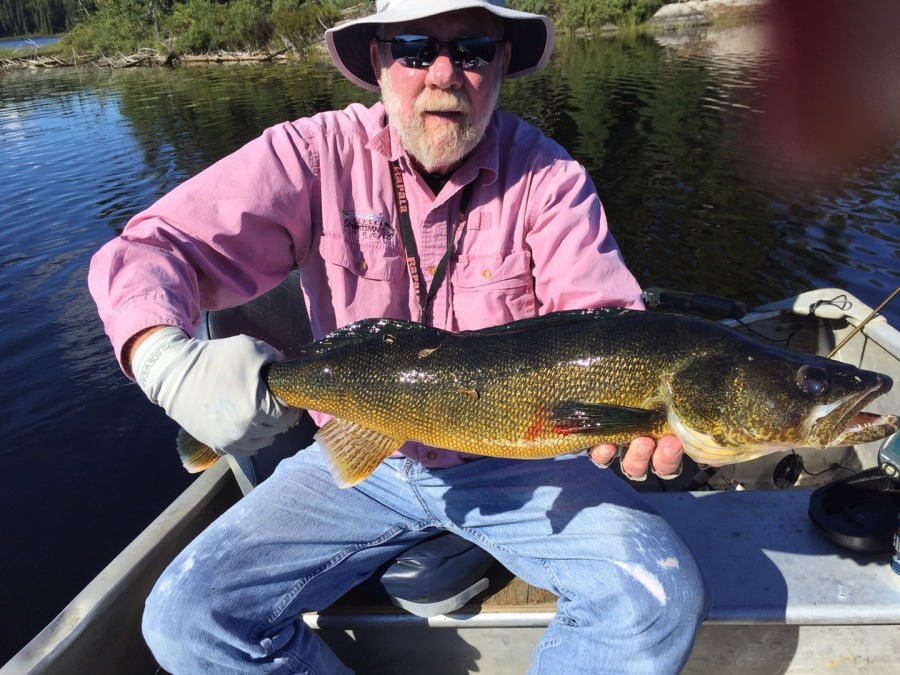
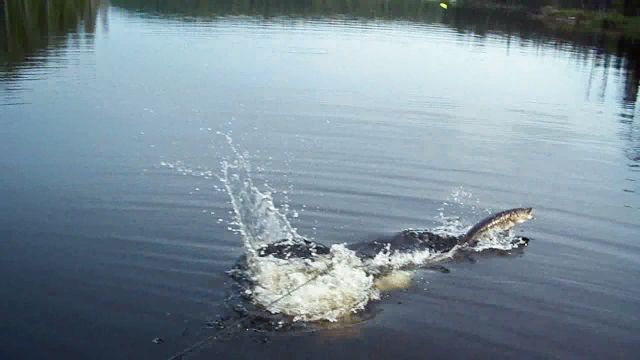
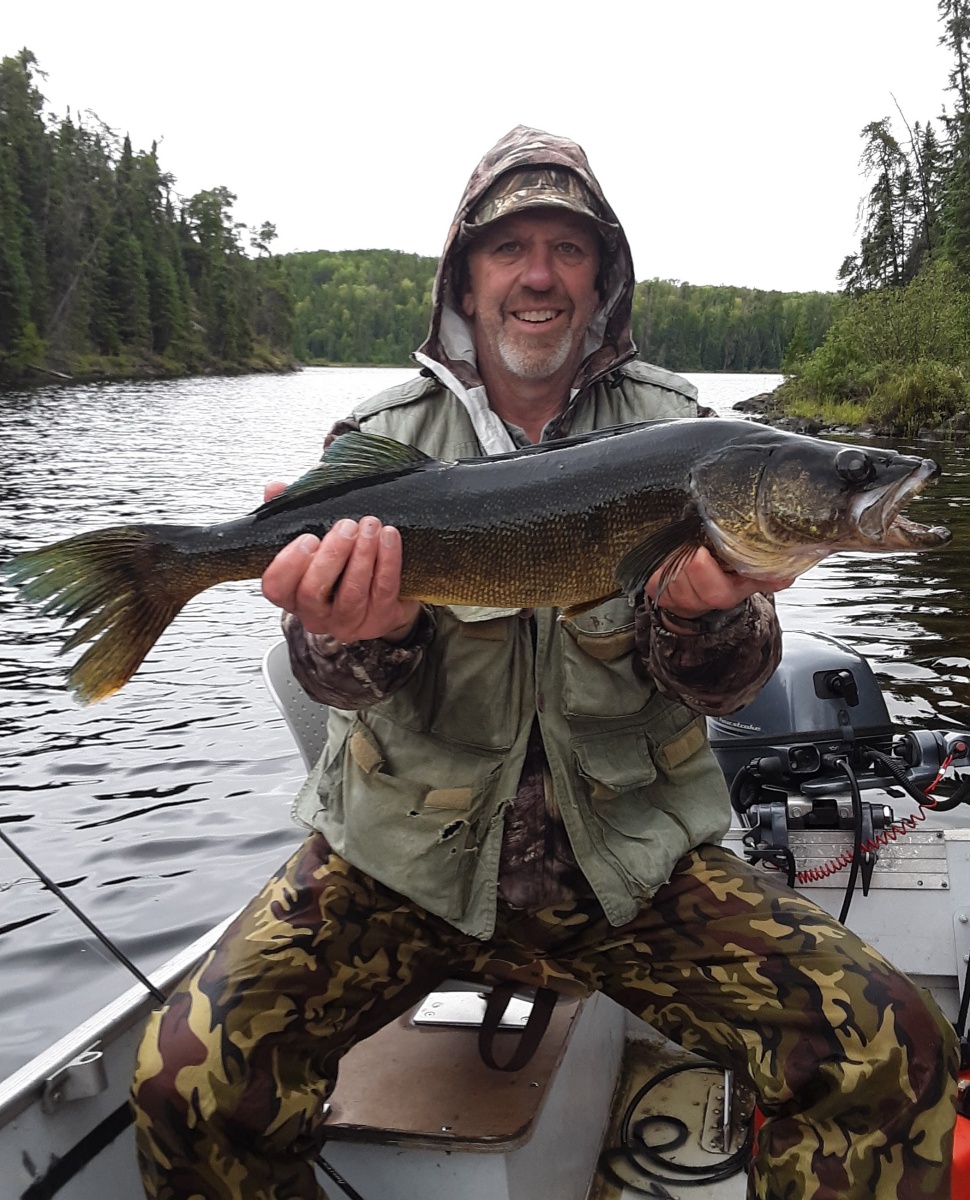
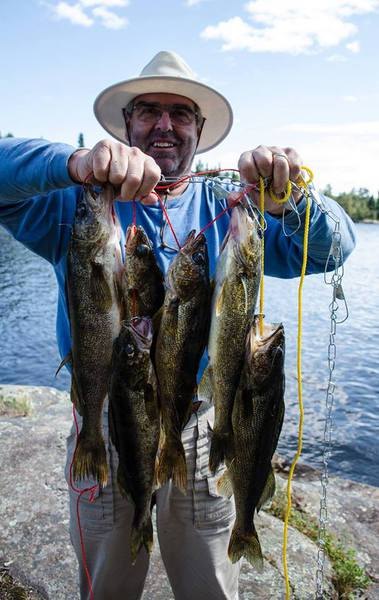
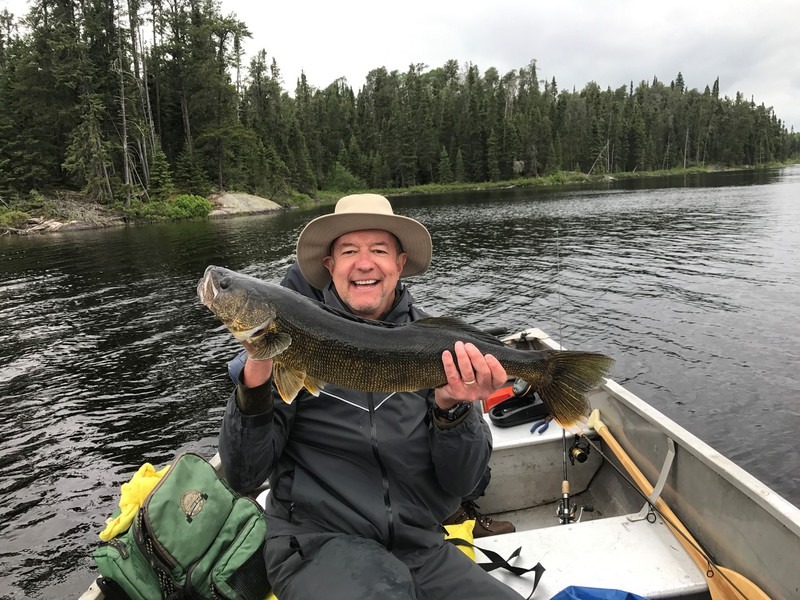
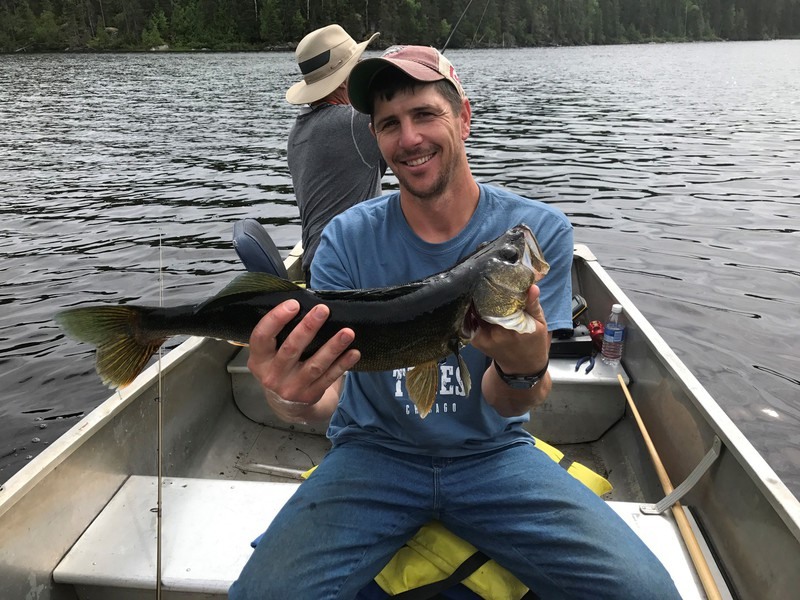
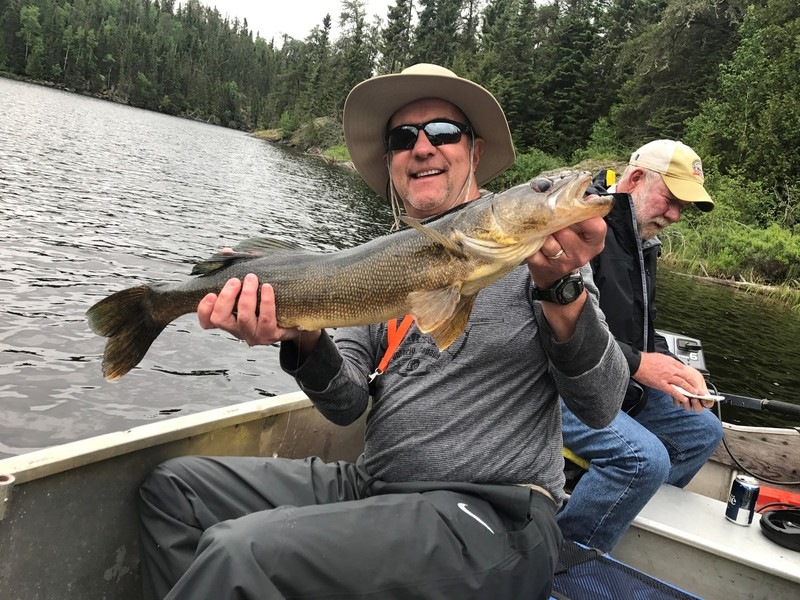
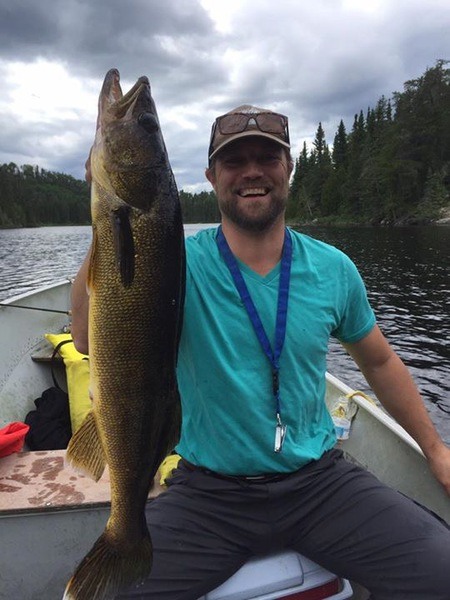
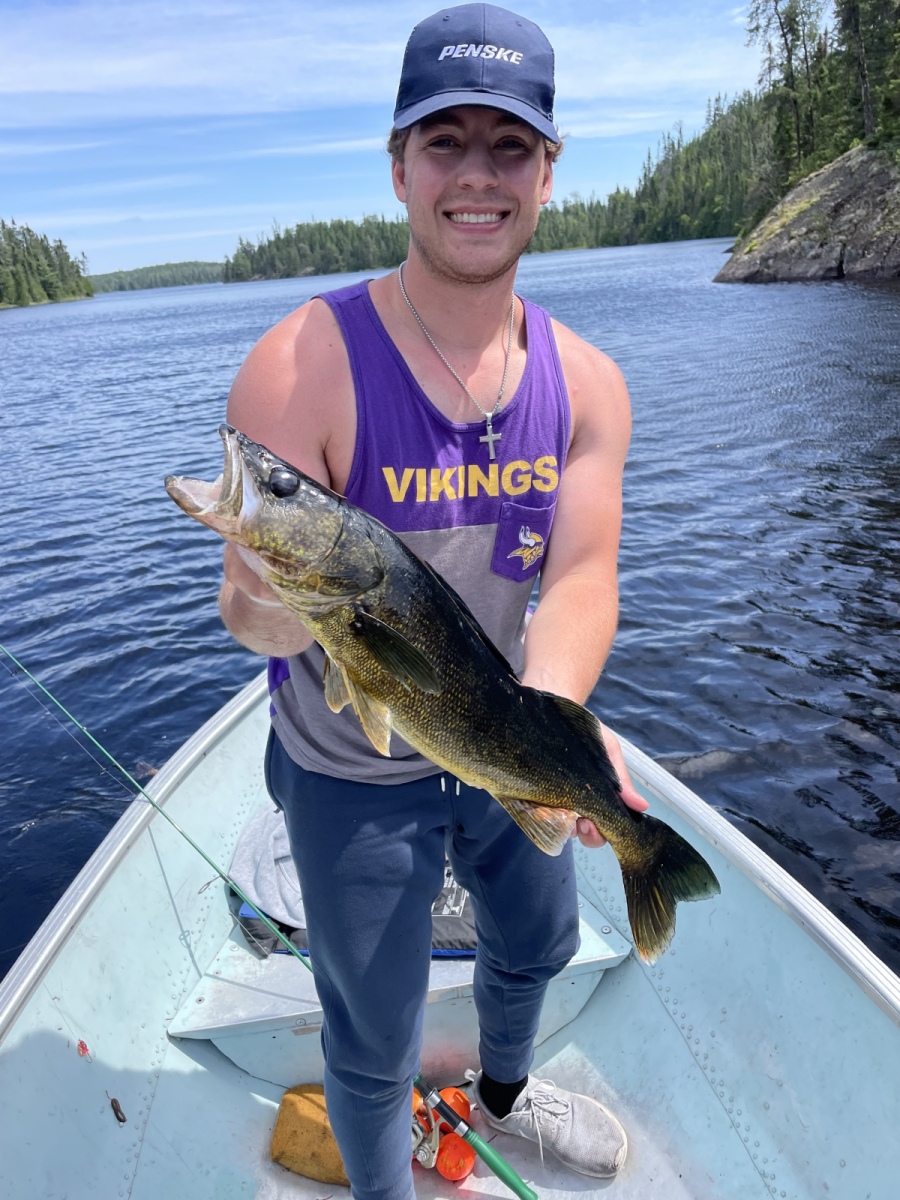

Walleye (sometimes called “pickerel”) are the holy grail of Northwestern Ontario fishing. They fight hard, taste incredible in a shore lunch, and grow to impressive sizes in our remote lakes.
On clear lakes like Loonhaunt and Ajax, mid-summer walleye often drop to 15 to 30 feet during bright conditions, holding on rocky humps, deep points, and the edges of the thermocline. Dawn and dusk bring them shallower — 8 to 15 feet on structure. On stained water like Cleftrock, walleye stay shallower all day because the reduced light penetration keeps them comfortable in 8 to 18 feet even at midday. Stained water is generally easier to pattern because the fish don't make those dramatic depth changes. Both water types produce well — it's just a different rhythm to the day.
Does your group have experience adjusting depth throughout the day, or do you tend to stay at one depth and wait for the fish to come to you?
Last reviewed: 2026-03-15Most guys overpack tackle and underpack food. For a week of walleye fishing, you need two to three dozen jigs in assorted weights and colors, a couple bags of soft plastics, a handful of crankbaits, some live-bait hooks and sinkers if you're running minnows, and spare line. That's it. Leave the five extra rod-and-reel combos, the giant tackle bag, and the specialty stuff at home.
Your 100-pound weight limit includes everything — gear, food, drinks, clothes so we put together at trip planning guide that covers tackle, clothes and food your group needs. Every extra pound of tackle is a pound less of groceries. Two rods per angler, one tackle box, and confidence in your basics will outfish a boat full of unused lures every time.
Has your group weighed out your gear and food yet, or are you still figuring out how to make the weight limit work?
Last reviewed: 2026-03-15Here’s why our fly-in trips are the ultimate way to target these prolific fish:
You Get the Whole Lake to Yourself
When we drop you off at one of our exclusive outpost cabins, on most lakes you’re the only group on that entire lake. No competing with other boats for the best spots. No wondering if the fish have been hammered all week.
The walleye are there, they’re hungry, and they’re waiting for you.
This is the secret to our success. Low fishing pressure means healthy, aggressive fish that are ready to bite.
The Catch Rates Will Blow Your Mind
Some of our guests report catching 50 to 100 walleye per day. Yes, you read that right. Some groups catch so many fish their hands get tired from reeling them in.
This is not an exaggeration. These aren’t once-in-a-lifetime catches; this is a typical day on our remote lakes.
Trophy Potential Is Real
While you’ll catch plenty of eating-size walleye (16-20 inches), our lakes consistently produce true trophies. Fish over 24 inches aren’t rare—they’re regular visitors to the boat. A true trophy is considered 27+ inches on our waters, and because we practice strong conservation, the trophy potential keeps getting better every year.
Gordon Lake has become particularly famous for producing these big walleye. Our guests regularly land personal-best fish, and we’ve seen walleye over 28 inches released back to fight another day.
All five of our outpost lakes offer excellent walleye fishing, but each has its own personality. Here’s a focus on our premier walleye destinations:


| Lake | Flight Time | Primary Focus | Other Species |
| Gordon Lake | 36 min | The Trophy Hunter’s Choice | Northern Pike, Muskie |
| Cleftrock Lake | 35 min | Classic Walleye Water | Northern Pike |
| Ajax Lake | 25 min | The Five-Lake Adventure | Northern Pike, Bass, Lake Trout |
| Loonhaunt Lake | 19 min | Most Popular All-Around | Pike, Bass, Trout, Muskie |
Our newest cabin (built in 2018) has quickly earned a reputation for consistently producing big walleye. This relatively small lake has interesting, deep structure that seems to hold larger-than-average fish. If you’re chasing a personal best, start with Gordon Lake.
Cleftrock Lake is a 3-lake system where you’re the only cabin. The tea-colored water (ideal for walleye) runs about 80 feet deep in spots, with plenty of bays and structure. This is pure, traditional walleye country.
Ajax Lake connects to a five-lake system with portages between them. The variety of water means you’ll find walleye in different moods and sizes throughout the system. Great for groups that like exploring new water every day.
The good news?
These fish haven’t seen much pressure, so they’re generally not overly picky.
But a few techniques are consistently more effective.
Jigging Masterclass (Most Effective)
The vast majority of the walleye you catch will be on a jig.
Trolling & Casting Strategies
Understanding the season will determine where you find the biggest numbers:
Spring/Early Season (May-June):
Walleye are concentrated and feeding aggressively near river inlets, outlets, and shallow, warming bays (6-12 feet). This is when you experience those 100-fish days.
Mid-Summer (July-August):
Fish move to deeper, cooler water during the day.
Target deep points and humps (15-30 feet). Don’t quit at midday—our deep lakes keep walleye active.
Fall (September):
Trophy Time! Walleye feed heavily before winter.
The bigger fish are more aggressive.
No walleye trip is complete without a shore lunch. This is more than a meal; it’s a century-old tradition and the highlight of any trip.
We provide everything you need to focus solely on fishing—from high-quality logistics to comfortable accommodation.
“Roughing it” doesn’t mean suffering. Our outpost cabins are fully equipped.
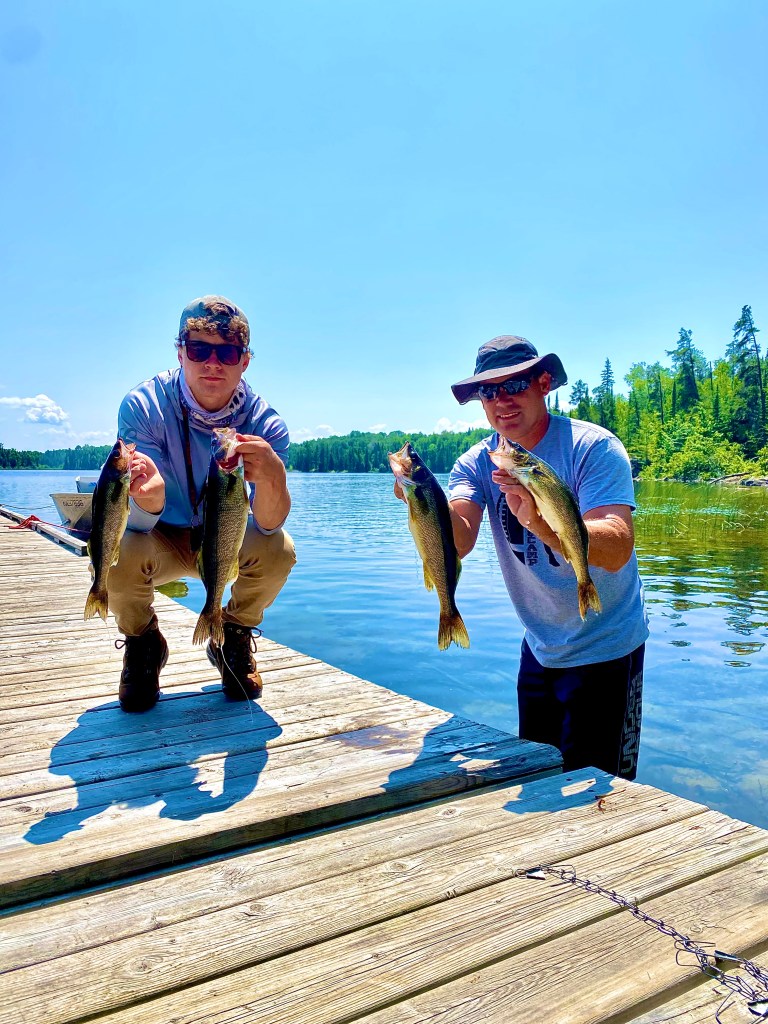
Full details on our Rates, Cabin Amenities, What to Bring (Gear Weight Limits), and Booking Process
If you want to experience walleye fishing the way it’s supposed to be—remote, productive, and uncrowded—a fly-in trip with Northwest Flying delivers.
You’ll catch more walleye than you thought possible. You’ll have an entire lake to yourself. And you’ll make memories that last a lifetime.
Call us today to secure your dates for 2026 or 2027:
The walleye are waiting.
What would make someone return to the exact same remote fishing lake… for over 40 years? This…
Every walleye angler wants to know the same thing: when is the best time to go? The…
The twin radial engines of the Beech 18 rumble to life, sending ripples across the glassy surface…