
Northwest Flying Inc. | Minnesota Bound
Northwest Flying Inc. | Minnesota Bound On this week’s episode, one bush…

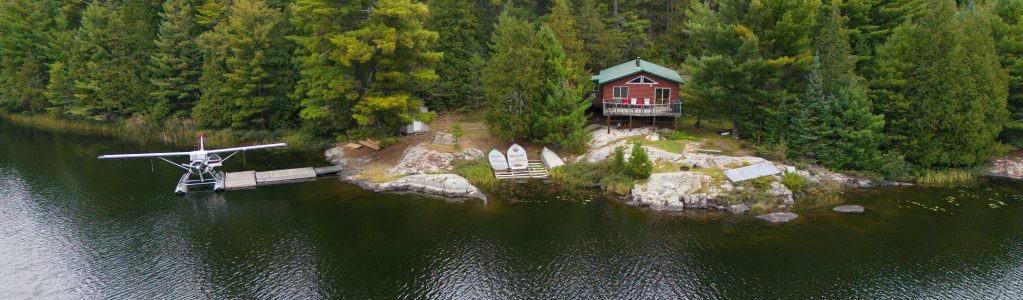
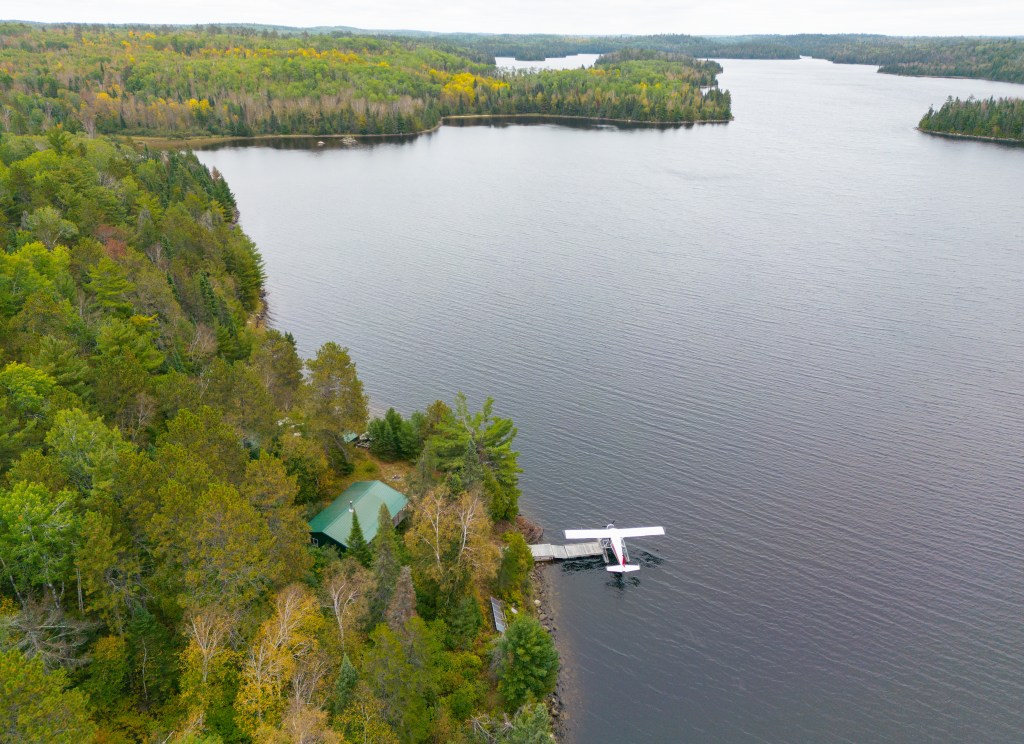
Kishkutena Lake Outpost (8 air miles) is well known for world-class bass fishing, Lake Trout in the deep sections, and producing several Muskie in the 40’’ range.
| May 2026 | |||||||
|---|---|---|---|---|---|---|---|
| Wk | Sun | Mon | Tue | Wed | Thu | Fri | Sat |
| 17 | 26 | 27 | 28 | 29 | 30 | 1 | 2 |
| 18 | 3 | 4 | 5 | 6 | 7 | 8 | 9 |
| 19 | 10 | 11 | 12 | 13 | 14 | 15 | 16 |
| 20 | 17 | 18 | 19 | 20 | 21 | 22 | 23 |
| 21 | 24 | 25 | 26 | 27 | 28 | 29 | 30 |
| 22 | 31 | 1 | 2 | 3 | 4 | 5 | 6 |
| June 2026 | |||||||
|---|---|---|---|---|---|---|---|
| Wk | Sun | Mon | Tue | Wed | Thu | Fri | Sat |
| 22 | 31 | 1 | 2 | 3 | 4 | 5 | 6 |
| 23 | 7 | 8 | 9 | 10 | 11 | 12 | 13 |
| 24 | 14 | 15 | 16 | 17 | 18 | 19 | 20 |
| 25 | 21 | 22 | 23 | 24 | 25 | 26 | 27 |
| 26 | 28 | 29 | 30 | 1 | 2 | 3 | 4 |
| July 2026 | |||||||
|---|---|---|---|---|---|---|---|
| Wk | Sun | Mon | Tue | Wed | Thu | Fri | Sat |
| 26 | 28 | 29 | 30 | 1 | 2 | 3 | 4 |
| 27 | 5 | 6 | 7 | 8 | 9 | 10 | 11 |
| 28 | 12 | 13 | 14 | 15 | 16 | 17 | 18 |
| 29 | 19 | 20 | 21 | 22 | 23 | 24 | 25 |
| 30 | 26 | 27 | 28 | 29 | 30 | 31 | 1 |
| August 2026 | |||||||
|---|---|---|---|---|---|---|---|
| Wk | Sun | Mon | Tue | Wed | Thu | Fri | Sat |
| 30 | 26 | 27 | 28 | 29 | 30 | 31 | 1 |
| 31 | 2 | 3 | 4 | 5 | 6 | 7 | 8 |
| 32 | 9 | 10 | 11 | 12 | 13 | 14 | 15 |
| 33 | 16 | 17 | 18 | 19 | 20 | 21 | 22 |
| 34 | 23 | 24 | 25 | 26 | 27 | 28 | 29 |
| 35 | 30 | 31 | 1 | 2 | 3 | 4 | 5 |
| September 2026 | |||||||
|---|---|---|---|---|---|---|---|
| Wk | Sun | Mon | Tue | Wed | Thu | Fri | Sat |
| 35 | 30 | 31 | 1 | 2 | 3 | 4 | 5 |
| 36 | 6 | 7 | 8 | 9 | 10 | 11 | 12 |
| 37 | 13 | 14 | 15 | 16 | 17 | 18 | 19 |
| 38 | 20 | 21 | 22 | 23 | 24 | 25 | 26 |
| 39 | 27 | 28 | 29 | 30 | 1 | 2 | 3 |
| October 2026 | |||||||
|---|---|---|---|---|---|---|---|
| Wk | Sun | Mon | Tue | Wed | Thu | Fri | Sat |
| 39 | 27 | 28 | 29 | 30 | 1 | 2 | 3 |
| 40 | 4 | 5 | 6 | 7 | 8 | 9 | 10 |
| 41 | 11 | 12 | 13 | 14 | 15 | 16 | 17 |
| 42 | 18 | 19 | 20 | 21 | 22 | 23 | 24 |
| 43 | 25 | 26 | 27 | 28 | 29 | 30 | 31 |





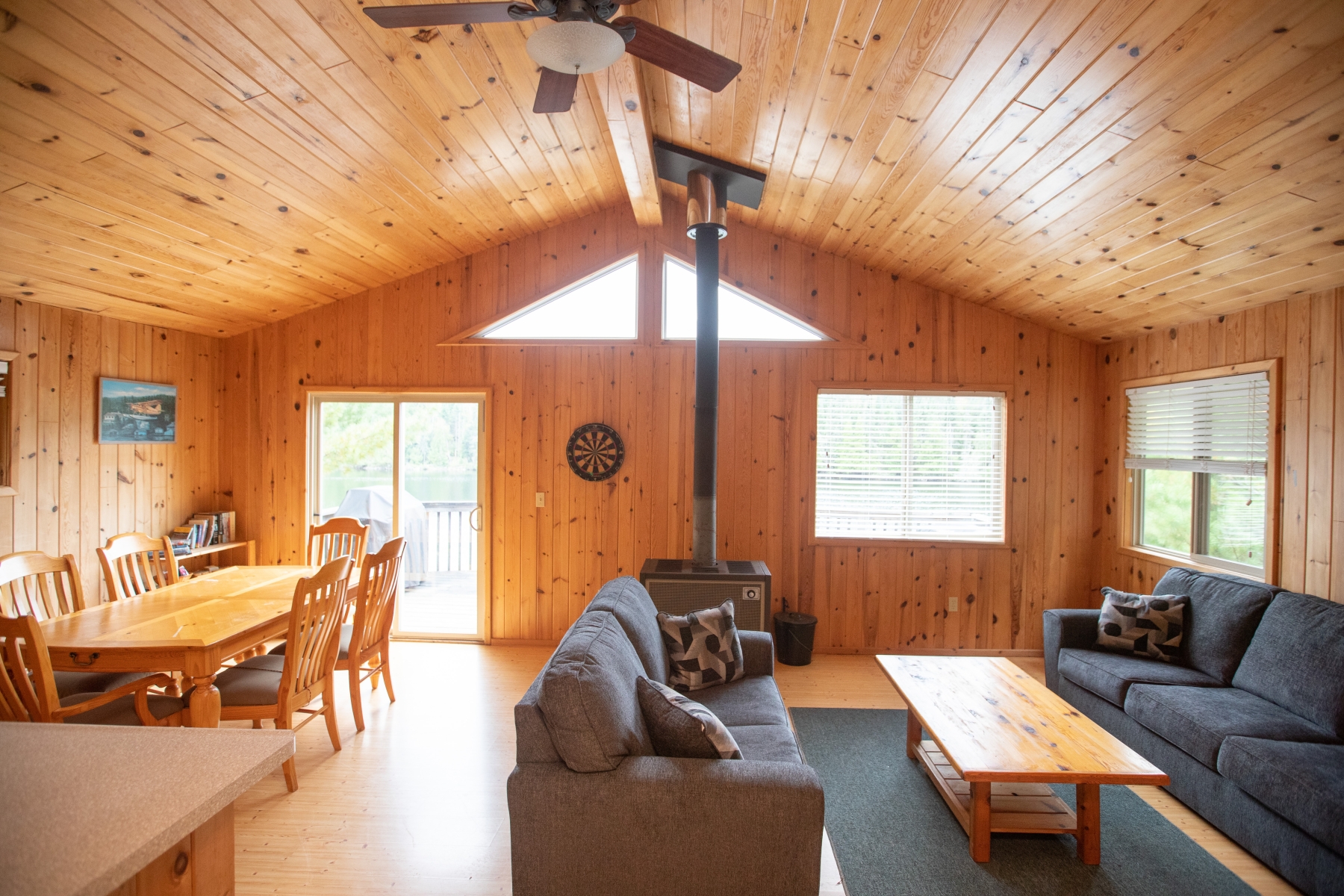
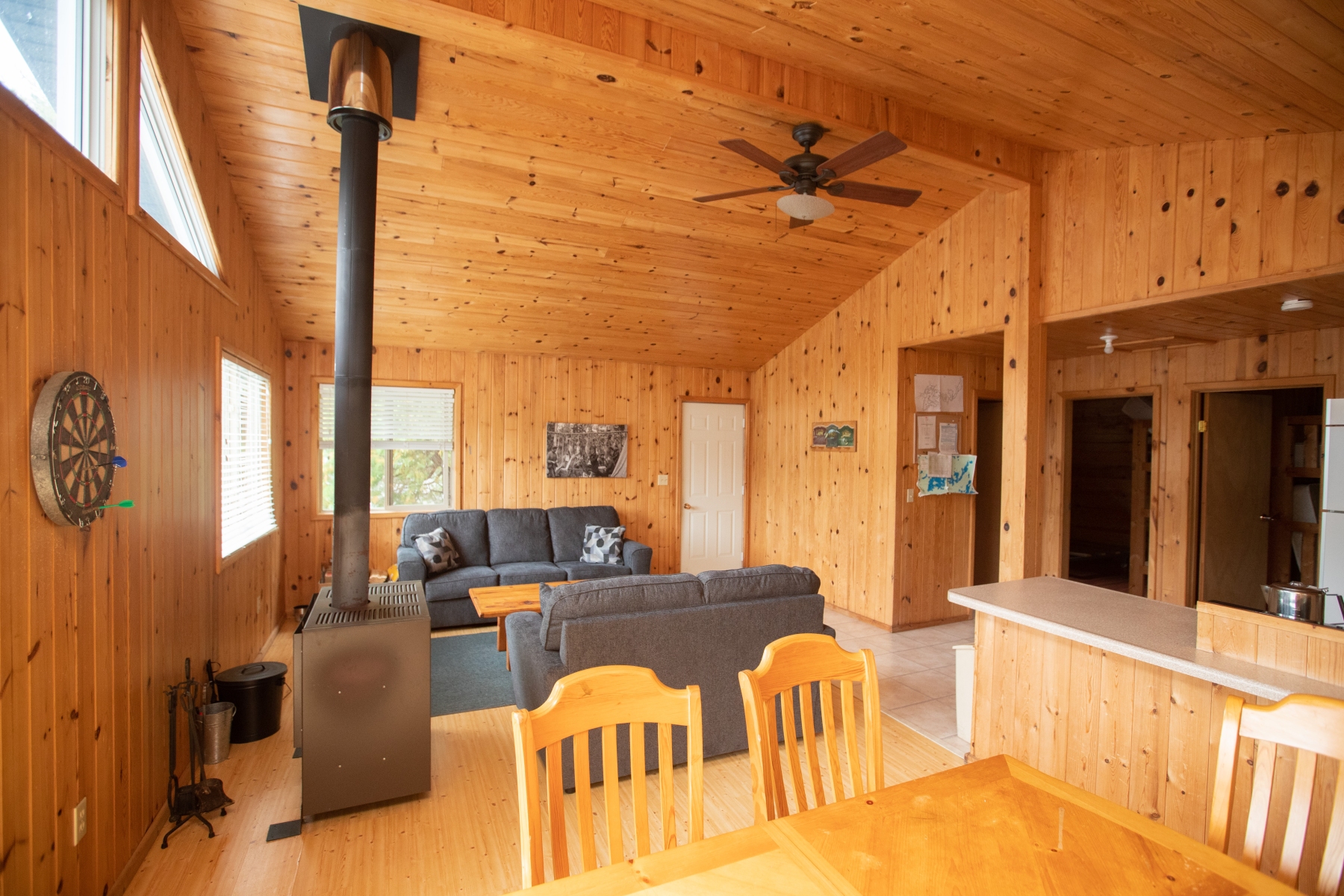


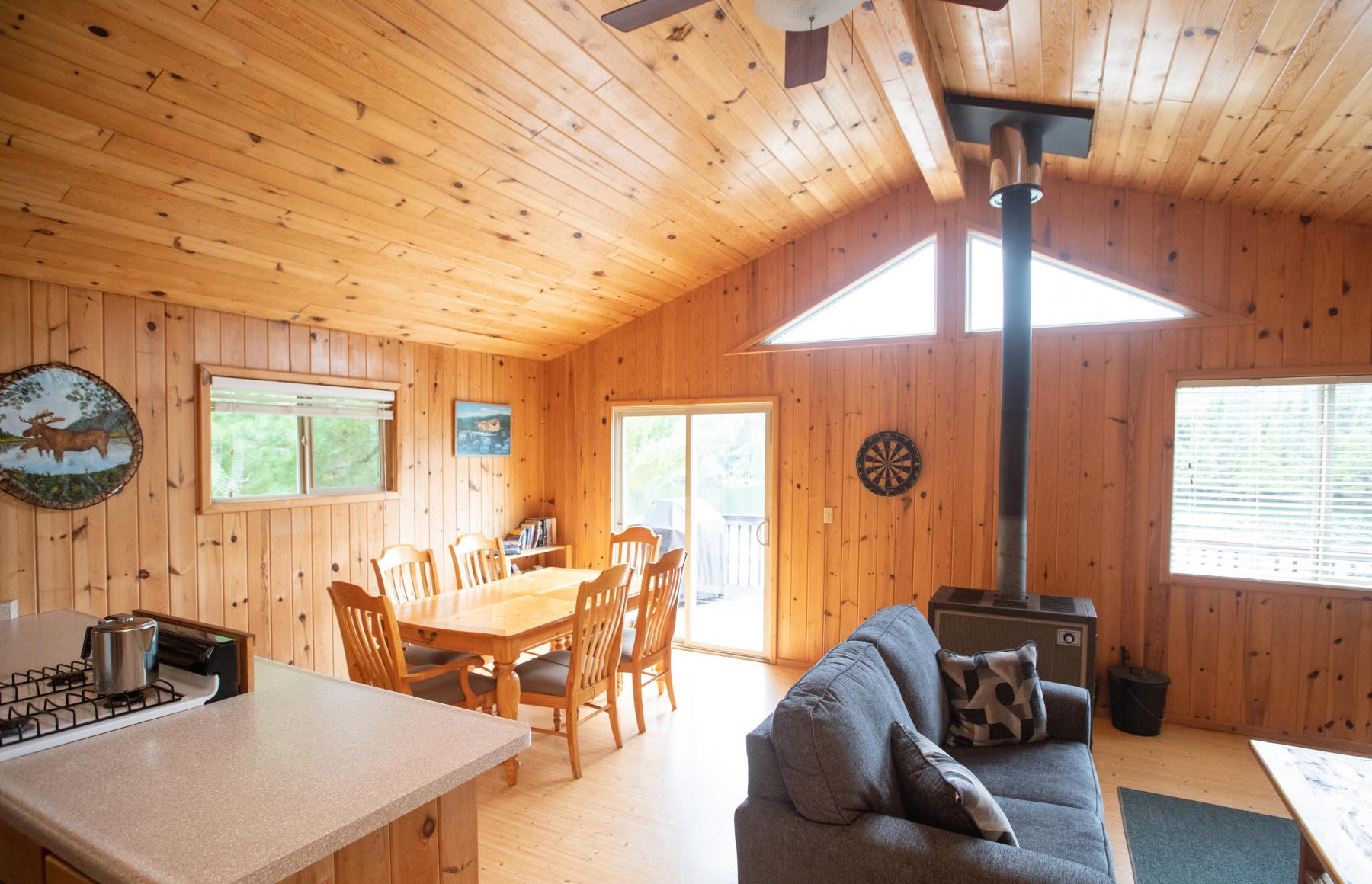
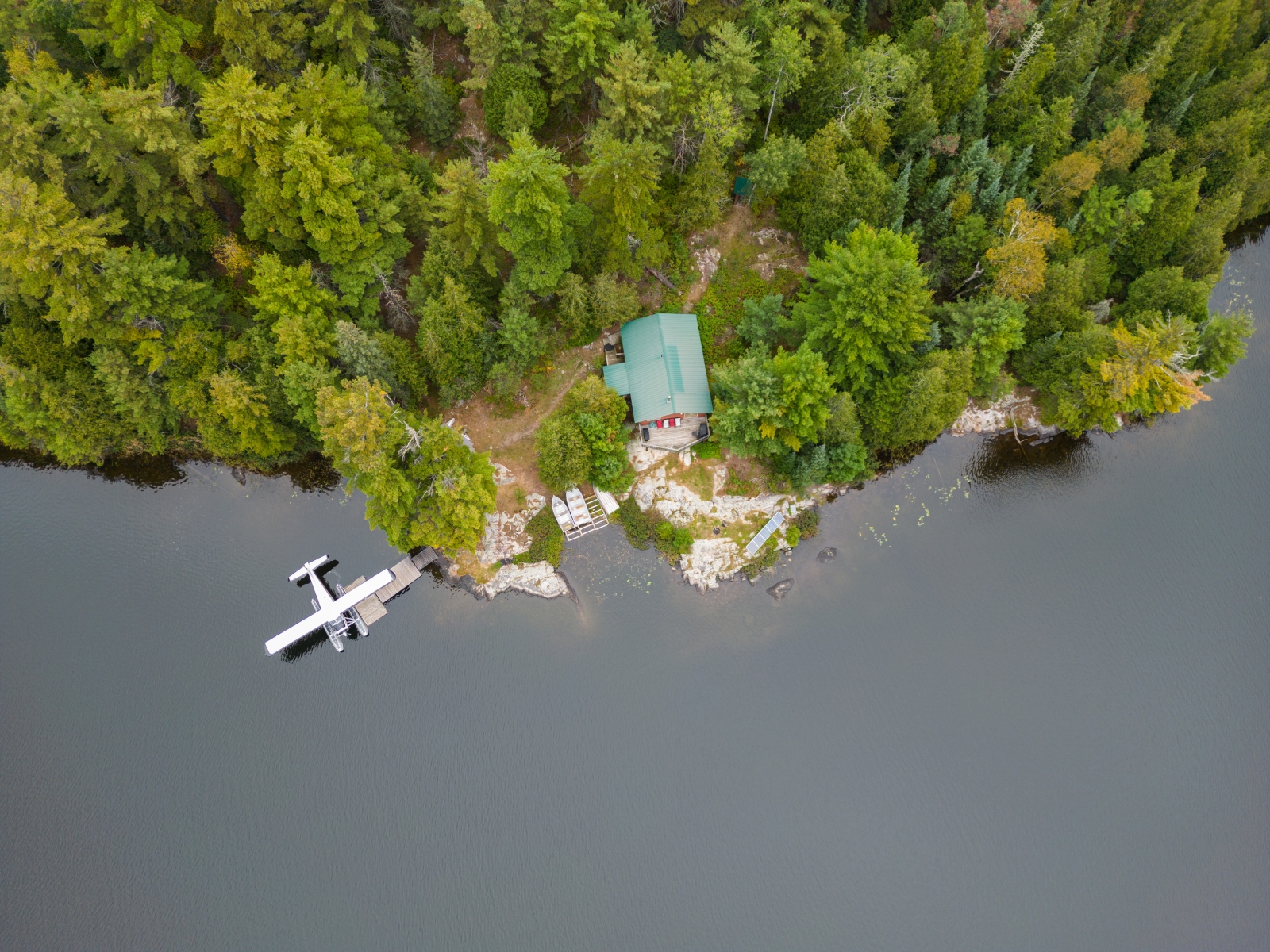

Northwest Flying Inc. – Nestor Falls, Ontario
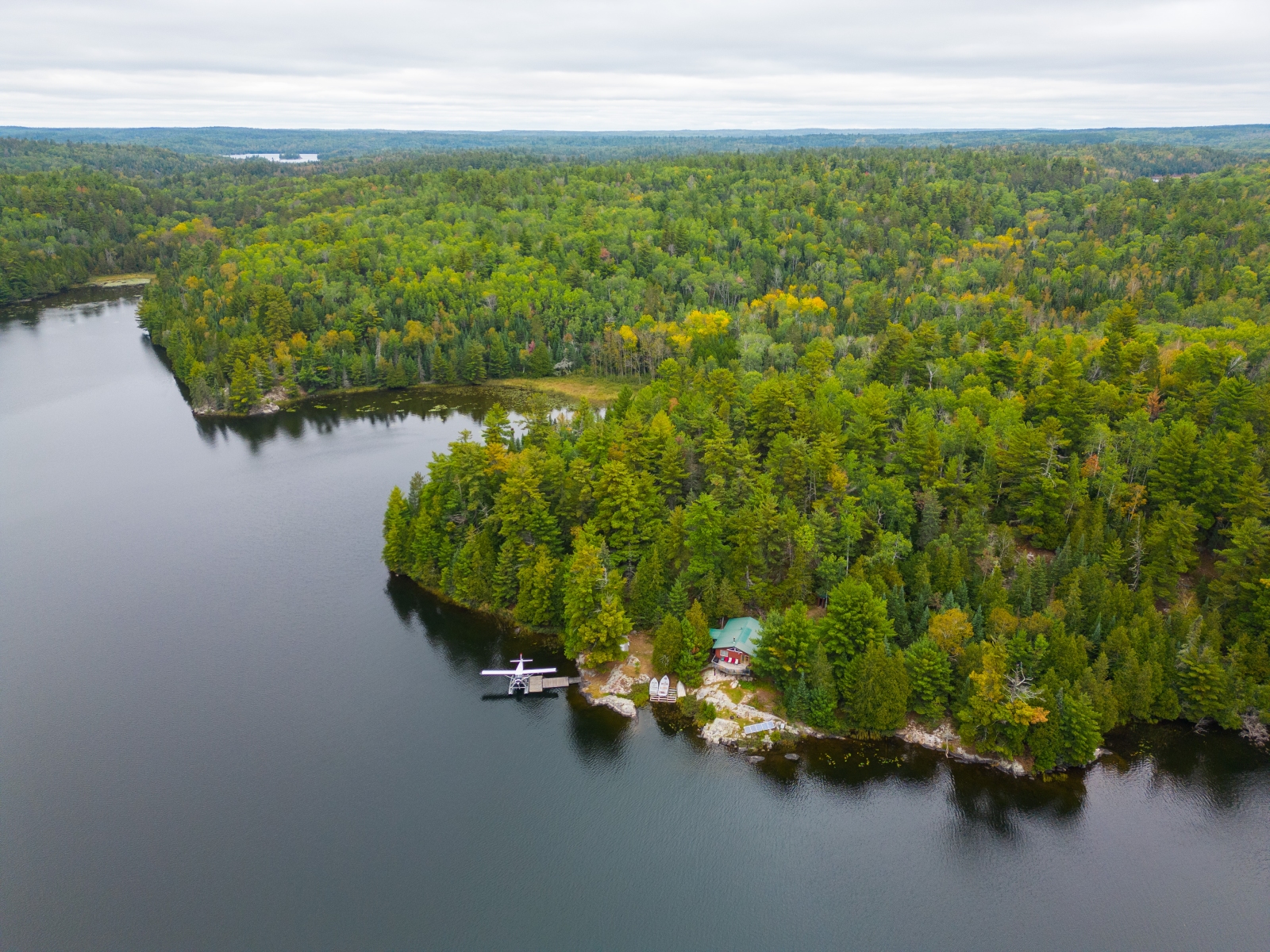
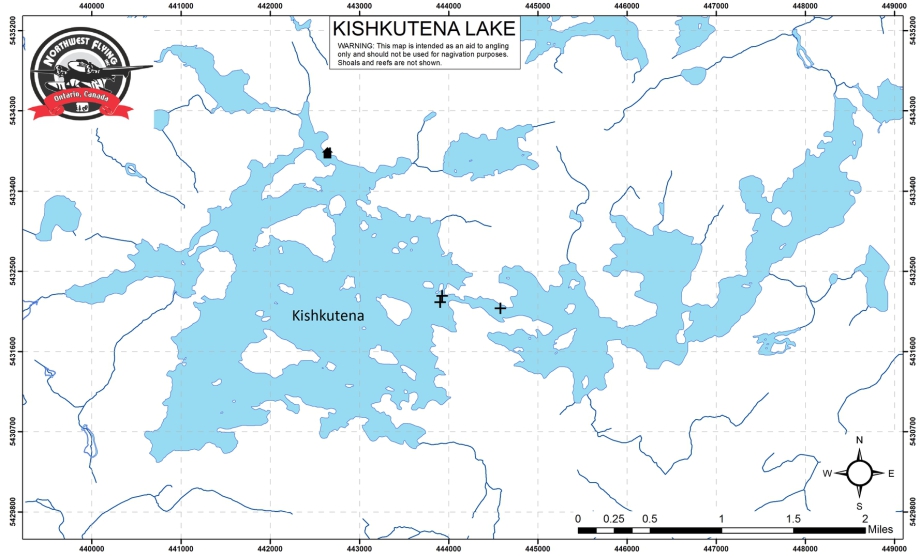
Kishkutena Lake, often called “Kish” by returning guests, is a secluded fly-in fishing destination located just 8 air miles from Nestor Falls. The short flight time—approximately 10 minutes from base—means less travel and more time fishing in complete privacy.
Stretching roughly six to seven miles long and one mile wide, Kishkutena Lake offers a large, uncrowded water system defined by rocky shorelines, countless islands, and deep basins reaching 40 to 80 feet. The slightly tea-stained water supports a healthy, multi-species fishery and creates ideal conditions for both shallow and deep-water angling.
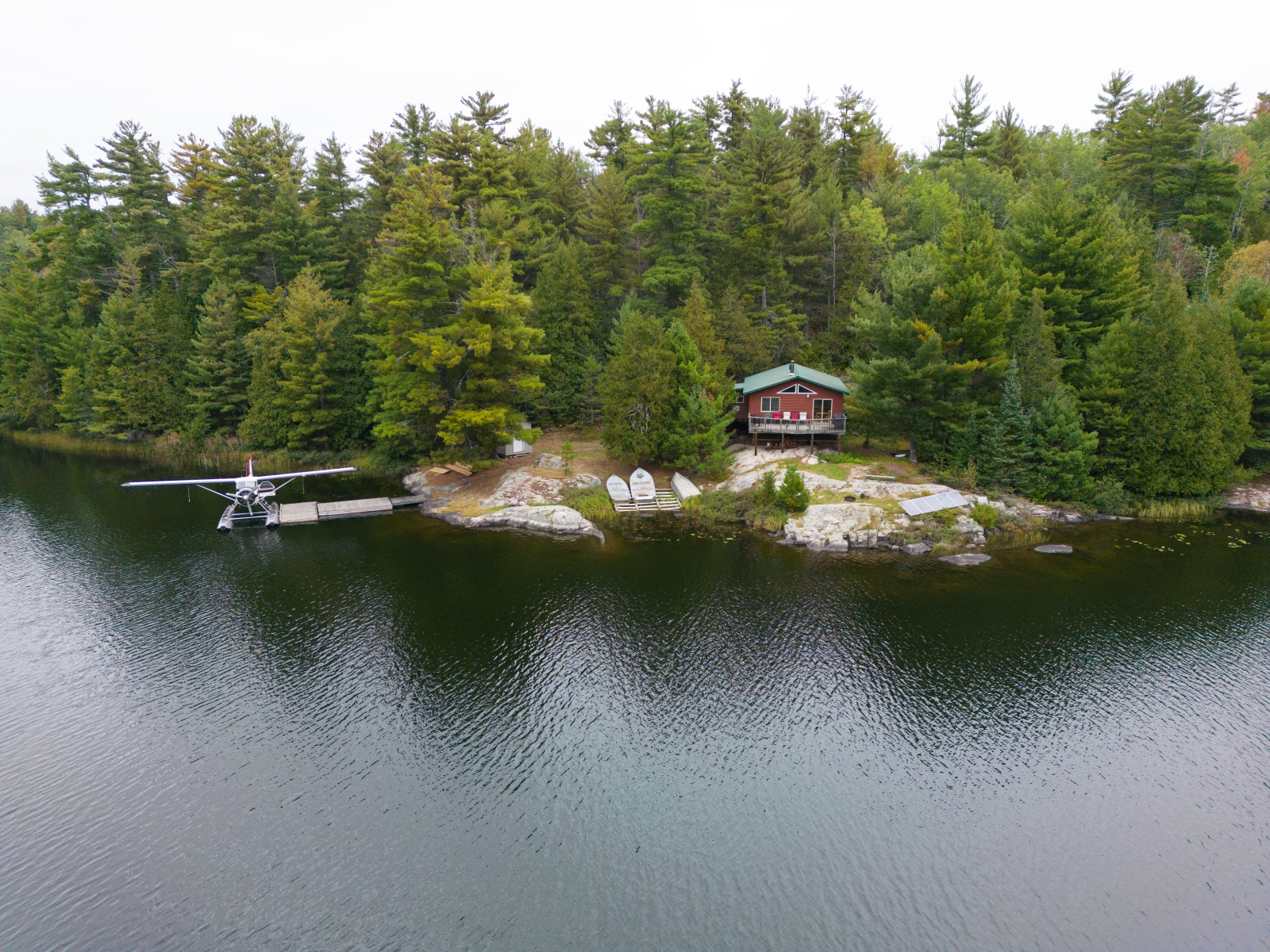
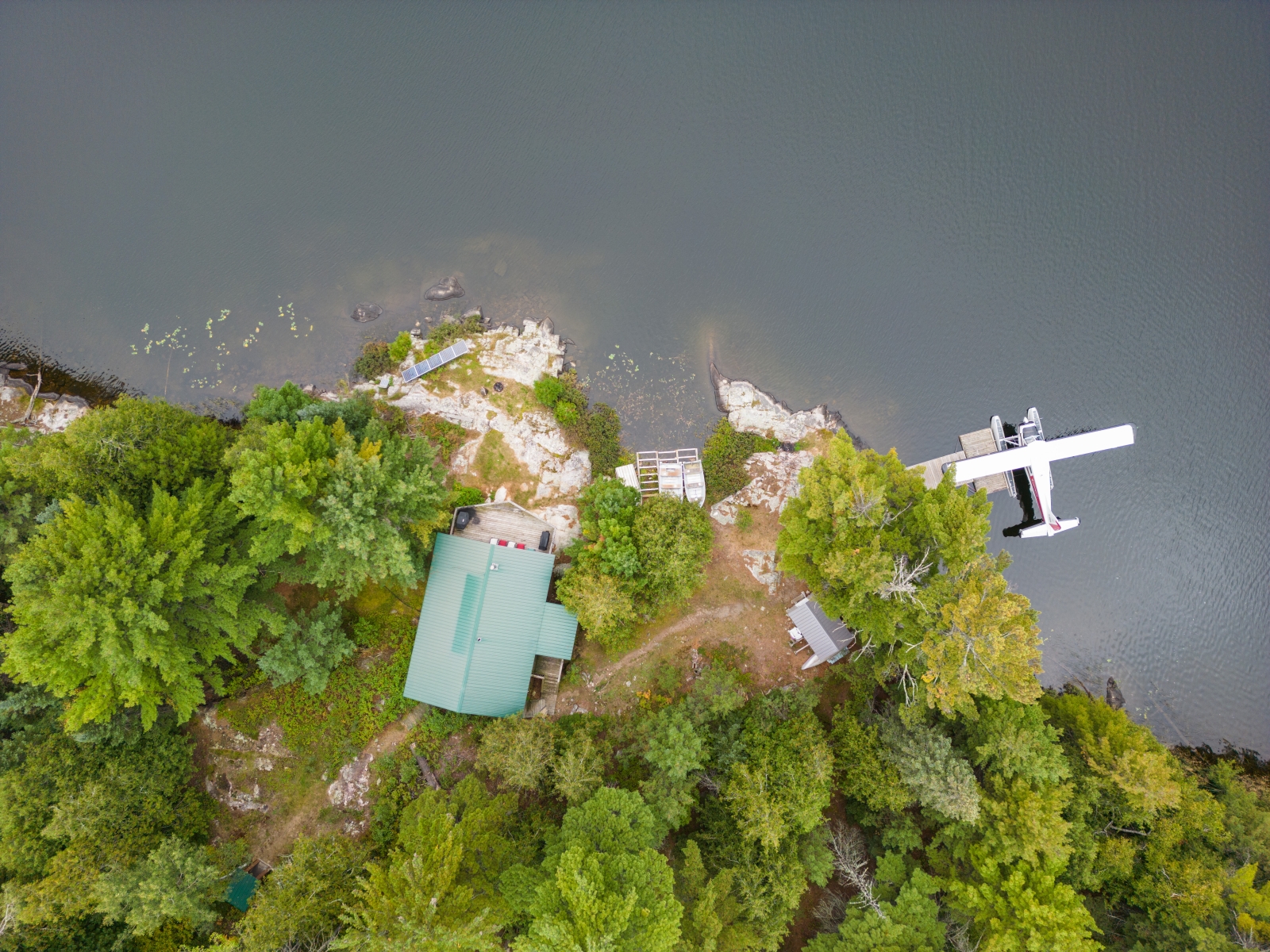
The Kishkutena outpost cabin is positioned on the north-central shoreline of the lake, near the transition into the main basin. This central placement provides fast access to multiple fishing zones without long boat runs.
From the cabin, anglers can quickly reach:
The cabin location allows fishing in nearly any wind direction while keeping fuel use low and fishing time high.
Kishkutena Lake follows a classic Canadian Shield structure:
Rather than a single open basin, the lake behaves like several interconnected fishing zones, each offering unique habitat.
The lake’s many islands divide the water into smaller, manageable areas that concentrate baitfish and create predictable feeding lanes. Wind-driven movement around these islands pushes food into narrow gaps, points, and saddles, making them consistent holding areas for game fish.
Depth changes are abrupt. Shallow rock and island edges often drop quickly into 40–80 feet of water, allowing multiple species to use the same structure at different times of day.
Kishkutena Lake is well known for its abundant smallmouth bass population.
Kishkutena consistently produces muskies in the 40-inch range, making it a top destination for anglers targeting trophy fish.
In the deeper sections of the lake, anglers can target lake trout.
To protect the quality of the fishery, Kishkutena Lake has operated under a strict Trophy Release Policy since the 1980s.
Northwest Flying Inc. | Minnesota Bound On this week’s episode, one bush…
Three Generations, One Floatplane: How Remote Fishing Traditions Connect Families Across Time…
